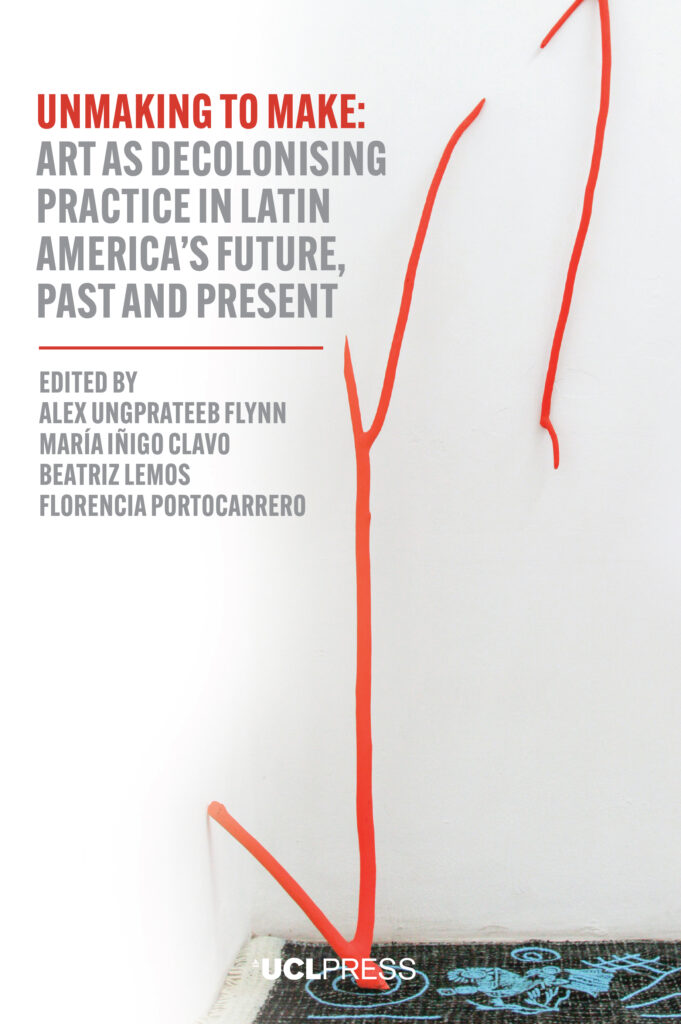
Unmaking to Make

The call to decolonise has become one of the dominant forces in contemporary art – yet its most radical possibilities are routinely absorbed and neutralised by the institutions of the Global North. Unmaking to Make intervenes in this impasse by turning to Latin America, centring Afro-diasporic and Indigenous perspectives from a region where artistic practice operates at the intersection of aesthetics, politics and social life, and whose thinkers and practitioners have long theorised decolonisation from within.

Drawing on essays, curatorial reflections and conversations with contributors from Argentina, Bolivia, Brazil, Chile, Cuba, Ecuador, Guatemala, Martinique, Mexico and Peru, the volume moves across four thematic terrains – counter-genealogies, museums and cultural institutions, the decolonisation of language, and plural temporalities – to show how art unsettles colonial narratives, reshapes knowledge and generates new vocabularies of power.

At its core, the volume makes a bold claim: that Latin American artistic practice is not just transforming the canon but articulating a form of thought – one that theorises, enacts and insists upon other worlds. Essential reading for scholars, curators, artists and students of contemporary art, decolonial thought and Latin American cultural politics.
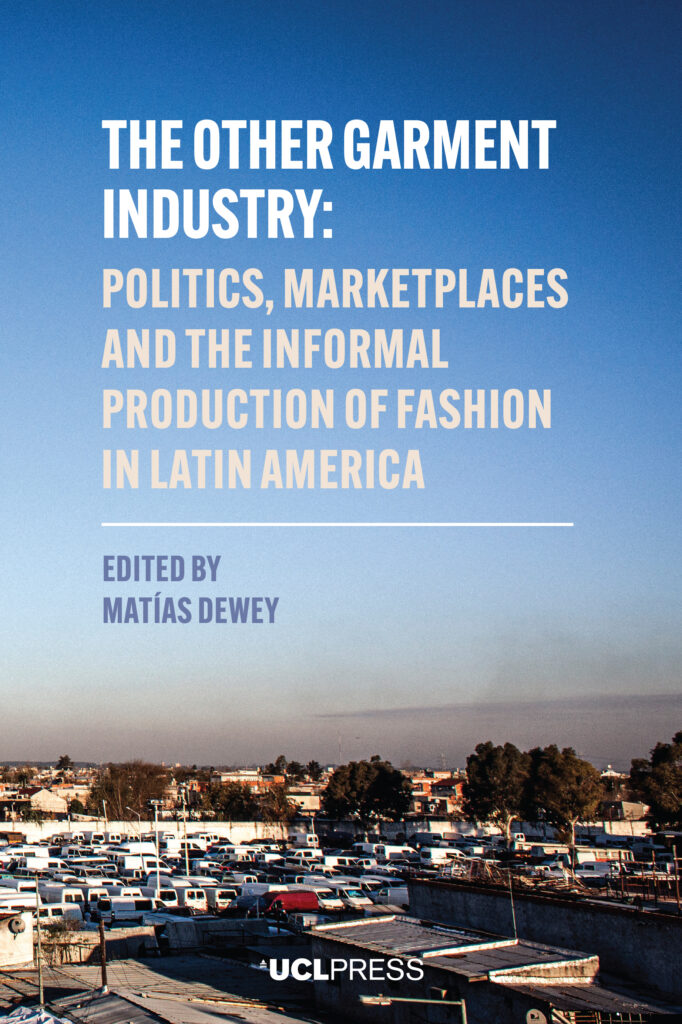
The Other Garment Industry

The Other Garment Industry sheds light on an economic, social and political phenomenon in Latin America, which is well known in the region, yet largely overlooked in social sciences literature. The volume analyses a regional configuration of informal garment production, distribution and consumption which cannot be explained by the dominant paradigm of global chains. This volume is pioneering in providing a holistic account of a specific industrial configuration in Latin America, showcasing this type of economy in Argentina, Brazil and Peru, and brings examples of trade in neighbouring countries such as Uruguay, Chile, Bolivia and Paraguay.

The volume focuses on three pillars of this economy: downstream entrepreneurs, bustling garment marketplaces and far-reaching national and regional trade routes. Far from the conventional image of sweatshops as monotonous spaces where creativity is reserved for big brands, the volume reveals workshops where design, trend-sensing and production are tightly woven together around consumer desires and imaginaries. Within these productive units, a differentiated division of labour makes room for experimentation, style innovation and rapid responses to shifting tastes. The garments travel through large, informal marketplaces expressly devoted to low-cost fashion, where traders and buyers meet in dense, dynamic circuits of exchange. These garment-oriented marketplaces, linked to extended informal trade routes, become crucial connectors that compress distribution chains, lower costs and expand access to affordable fashion for broad segments of the population.

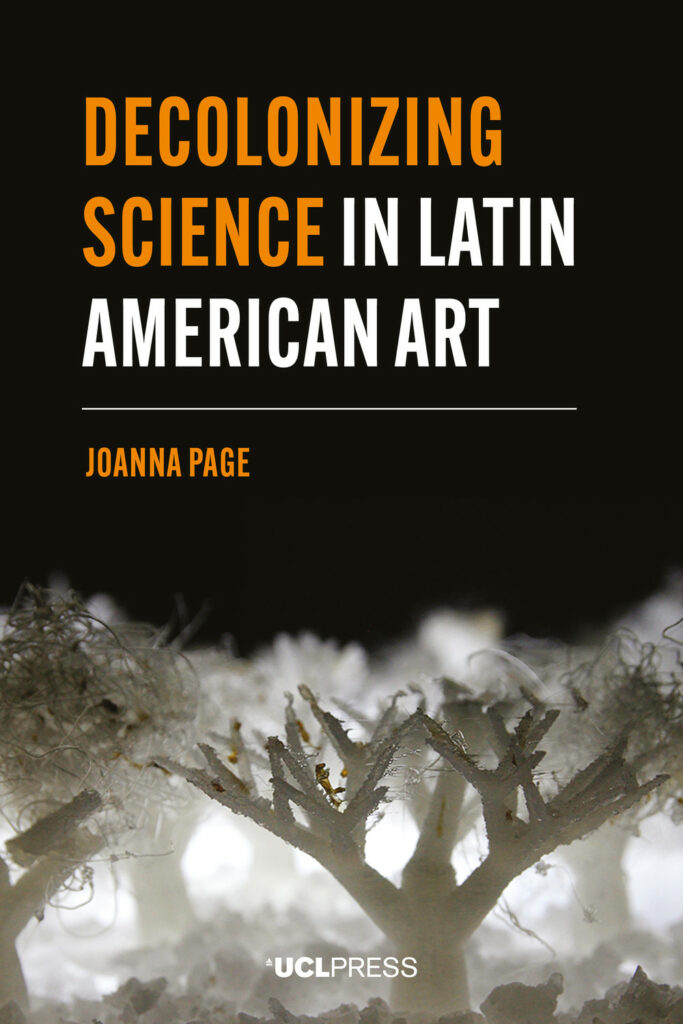
Decolonizing Science in Latin American Art

Projects that bring the ‘hard’ sciences into art are increasingly being exhibited in galleries and museums across the world. In a surge of publications on the subject, few focus on regions beyond Europe and the Anglophone world. Decolonizing Science in Latin American Art assembles a new corpus of art-science projects by Latin American artists, ranging from big-budget collaborations with NASA and MIT to homegrown experiments in artists’ kitchens.

While they draw on recent scientific research, these art projects also ‘decolonize’ science. If increasing knowledge of the natural world has often gone hand-in-hand with our objectification and exploitation of it, the artists studied here emphasize the subjectivity and intelligence of other species, staging new forms of collaboration and co-creativity beyond the human. They design technologies that work with organic processes to promote the health of ecosystems, and seek alternatives to the logics of extractivism and monoculture farming that have caused extensive ecological damage in Latin America. They develop do-it-yourself, open-source, commons-based practices for sharing creative and intellectual property. They establish critical dialogues between Western science and indigenous thought, reconnecting a disembedded, abstracted form of knowledge with the cultural, social, spiritual, and ethical spheres of experience from which it has often been excluded.

Decolonizing Science in Latin American Art interrogates how artistic practices may communicate, extend, supplement, and challenge scientific ideas. At the same time, it explores broader questions in the field of art, including the relationship between knowledge, care, and curation; nonhuman agency; art and utility; and changing approaches to participation. It also highlights important contributions by Latin American thinkers to themes of global significance, including the Anthropocene, climate change and environmental justice.

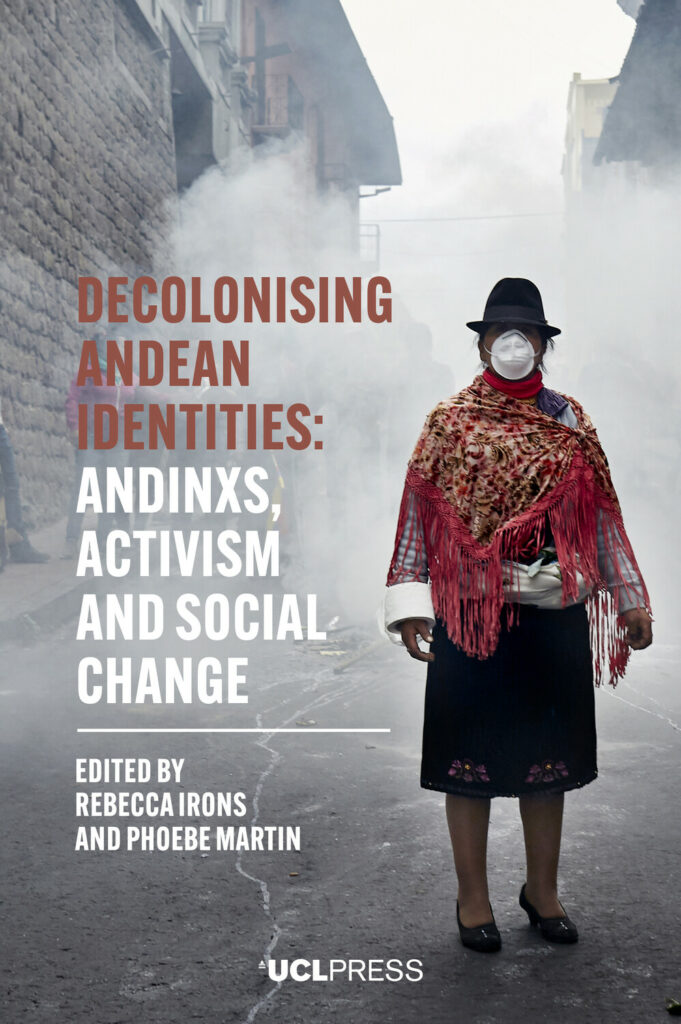
Decolonising Andean Identities

Decolonising Andean Identities presents ground-breaking work from scholars carrying out social science research in and from Andean Latin America. It addresses themes of central importance to contemporary perspectives on interdisciplinary gender studies and politics in societies undergoing significant social transformation.

The collection aims to develop the field of decolonial gender studies by showcasing interdisciplinary work at the forefront of scholarship. It draws on international expertise through its diverse contributors, including predominately Latin American scholars. There is an urgent need to broaden the perspectives on gender and gender-based activism in Latin America beyond the Southern Cone and Mexico in order to bring the region as a whole into dialogue with global scholarship.

The contributors use the term ‘Andinxs’ as a provocation to encourage scholars of the region to reconsider approaches the politics of gender, sexuality and (de)coloniality. By responding to the question, ‘Who are Andinxs (Andin-exs)?’ the collection interrogates the postcolonial, gendered and political subjectivities currently undergoing dramatic social change in Andean Latin America.

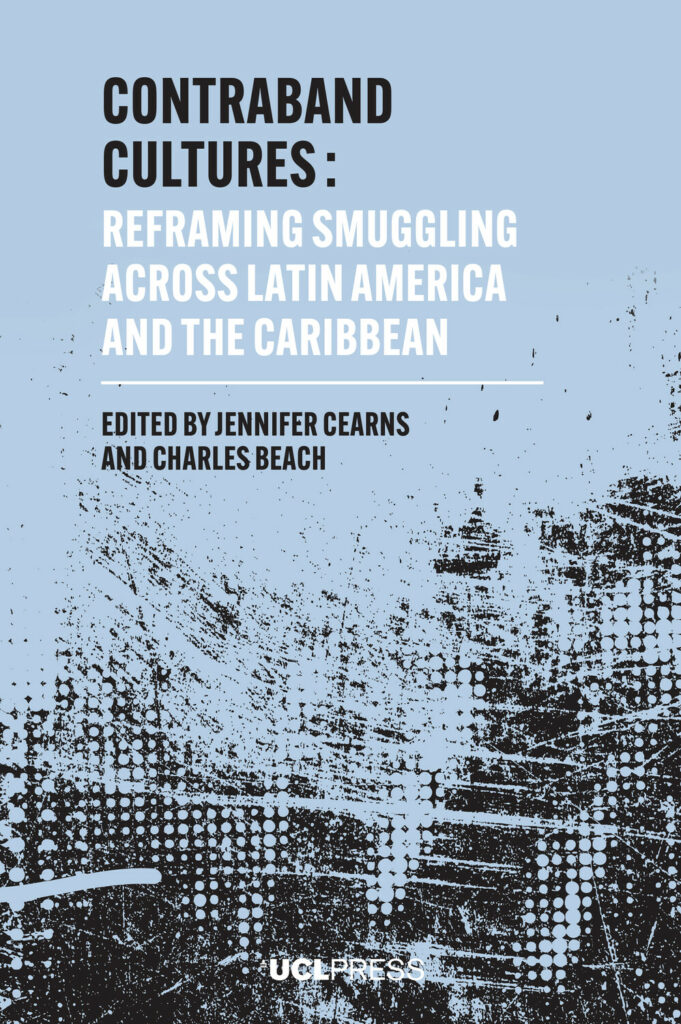
Contraband Cultures

The image shows the cover of a book titled ‘Contraband Cultures: Reframing Smuggling Across Latin America and The Caribbean’, edited by Jennifer Cearns and Charles Beach. The background is dark blue with a pattern that resembles white paint splatters or stars. The title and editors’ names are in white text, with the UCL Press logo at the bottom.

Contraband Cultures presents narratives, representations, practices and imaginaries of smuggling and extra-legal or informal circulation practices, across and between the Latin American region (including the Caribbean) and its diasporas. Countering a fetishizing and hegemonic imaginary (typically stemming from the Global North) of smuggling activity in Latin America as chaotic, lawless, violent and somehow ‘exotic’, this book reframes such activities through the lenses of kinship, political movements, economic exchange and resistance to capitalist state hegemony.

The volume comprises a broad range of chapters from scholars across the social sciences and humanities, using various methodological techniques, theoretical traditions and analytic approaches to explore the efficacy and valence of ‘smuggling’ or ‘contraband’ as a lens onto modes of personhood, materiality, statehood and political (dis)connection across Latin America. This material is presented through a combination of historic documentation and contemporary ethnographic research across the region to highlight the genesis and development of these cultural practices whilst grounding them in the capitalist and colonial refashioning of the entire region from the sixteenth century to the present day.

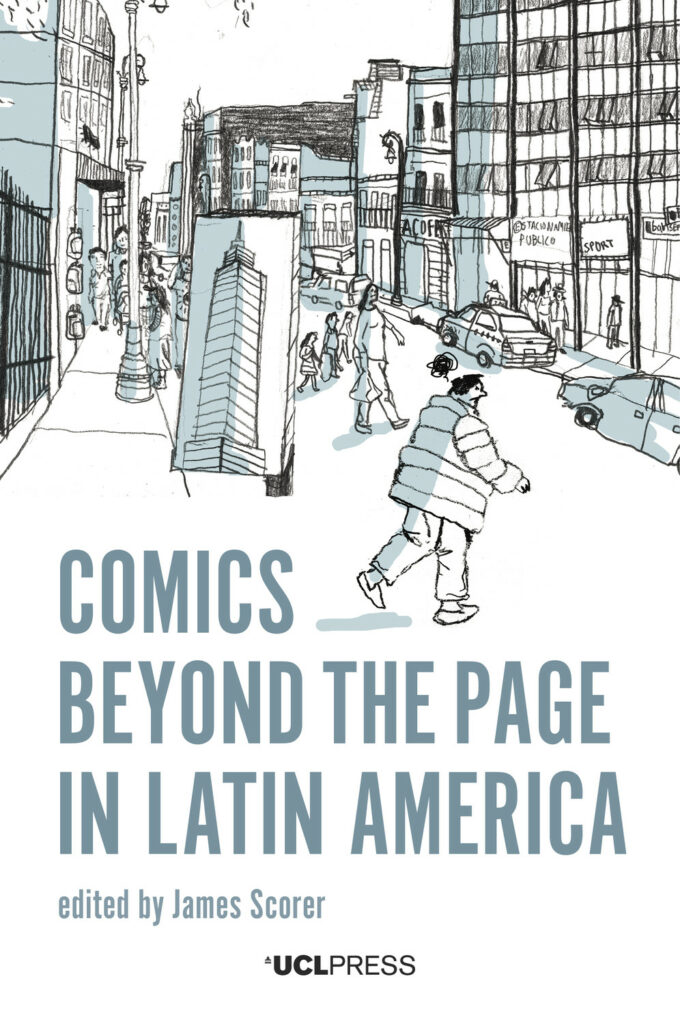
Comics Beyond the Page in Latin America

Comics Beyond the Page in Latin America is a cutting-edge study of the expanding worlds of Latin American comics. Despite lack of funding and institutional support, not since the mid-twentieth century have comics in the region been so dynamic, so diverse and so engaged with pressing social and cultural issues. Comics are being used as essential tools in debates about, for example, digital cultures, gender identities and political disenfranchisement.

Rather than analysing the current boom in comics by focusing just on the printed text, however, this book looks at diverse manifestations of comics ‘beyond the page’. Contributors explore digital comics and social media networks; comics as graffiti and stencil art in public spaces; comics as a tool for teaching architecture or processing social trauma; and the consumption and publishing of comics as forms of shaping national, social and political identities.

Bringing together authors from across Latin America and beyond, and covering examples from Argentina, Brazil, Colombia, Mexico, Peru and Uruguay, the book sets out a panoramic vision of Latin American comics, whether in terms of scholarly contribution, geographical diversity or interdisciplinary methodologies.

Comics Beyond the Page in Latin America demonstrates the importance of studying how comics circulate in all manner of ways beyond print media. It also reminds us of the need to think about the creative role of comics in societies with less established comics markets than in Europe, the US and Asia.

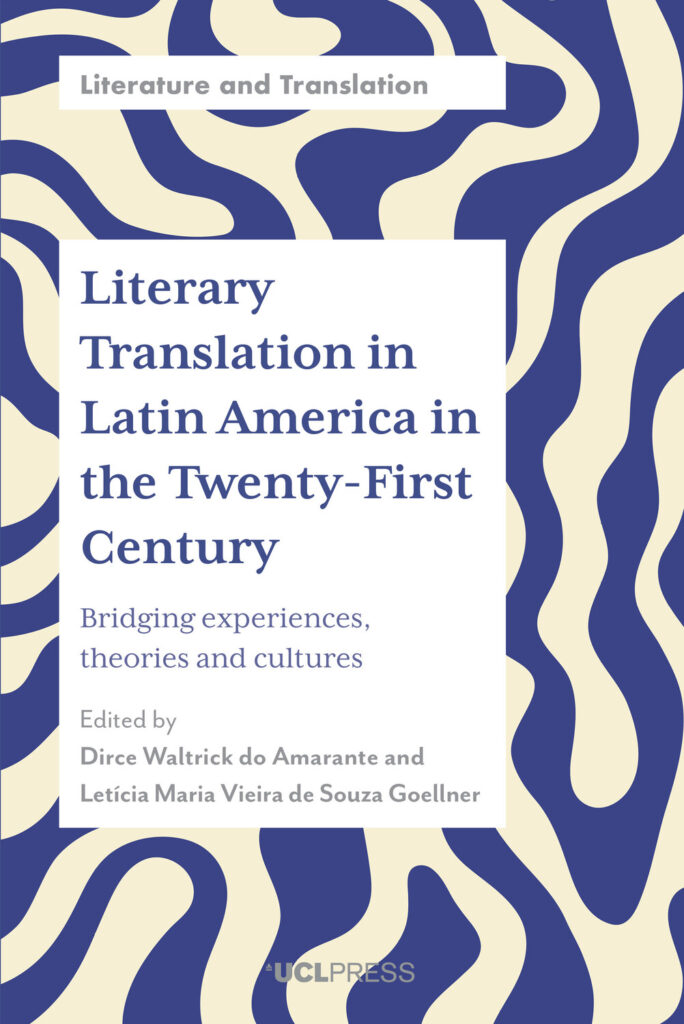
Literary Translation in Latin America in the Twenty-First Century

Literary Translation in Latin America in the Twenty-First Century provides an in-depth exploration of the current landscape of literary translation studies and translation practices across Latin America. The unparalleled linguistic diversity of Latin America, with nearly 500 languages spoken, makes translation a vital aspect of daily life, which in turn fosters a dynamic field of literary experimentation, attracting intense scholarly inquiry unique to the region. This rich linguistic mosaic includes the colonial legacies of Spanish and Portuguese; European languages that persist in Brazil, such as East Pomeranian; African languages such as Kimbundu and Yoruba, incorporated into standard Portuguese and used in religious practices; as well as indigenous languages including Quechua and Guarani. Furthermore, in a region where Spanish and Portuguese are predominant, translation is pivotal not only for facilitating internal communication, but also for engaging with global cultures.

This volume argues that translation in Latin America is not only an academic exercise but a vital, everyday practice that facilitates dialogue within the region, as well as with the wider world. It emphasises that the practice of translators, and the methods of scholars are not limited to established theories, but require innovative practices and methods to explore lesser-known traditions, and to merge orthodox studies with the cultural insights of Indigenous peoples.

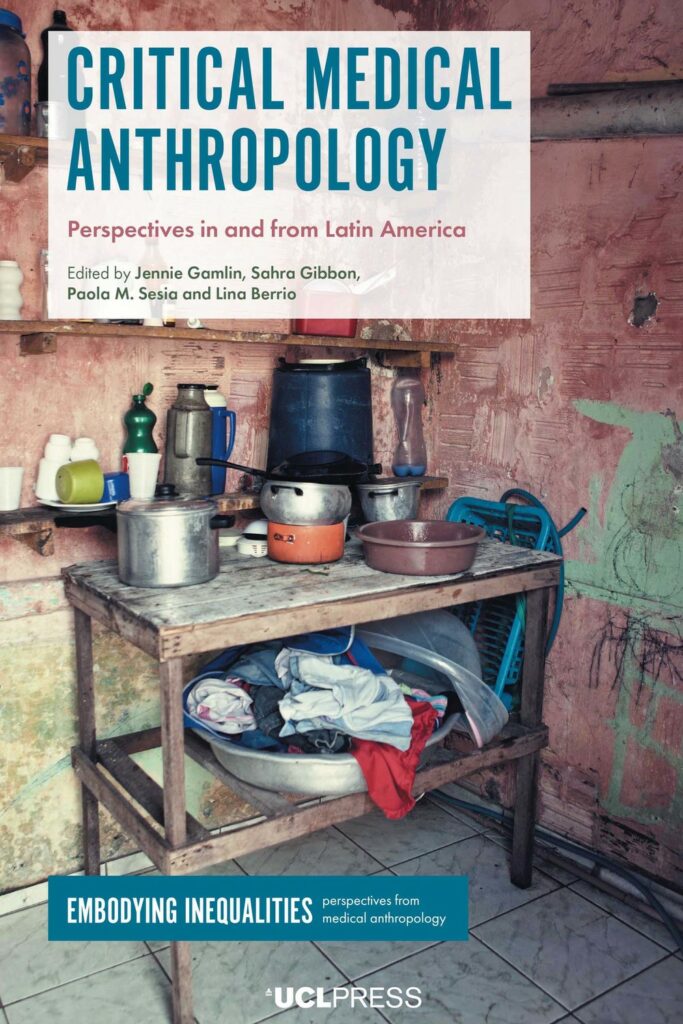
Critical Medical Anthropology

Critical Medical Anthropology presents inspiring work from scholars doing and engaging with ethnographic research in or from Latin America, addressing themes that are central to contemporary Critical Medical Anthropology (CMA). This includes issues of inequality, embodiment of history, indigeneity, non-communicable diseases, gendered violence, migration, substance abuse, reproductive politics and judicialisation, as these relate to health.

The collection of ethnographically informed research, including original theoretical contributions, reconsiders the broader relevance of CMA perspectives for addressing current global healthcare challenges from and of Latin America. It includes work spanning four countries in Latin America (Mexico, Brazil, Guatemala and Peru) as well as the trans-migratory contexts they connect and are defined by. By drawing on diverse social practices, it addresses challenges of central relevance to medical anthropology and global health, including reproduction and maternal health, sex work, rare and chronic diseases, the pharmaceutical industry and questions of agency, political economy, identity, ethnicity, and human rights.

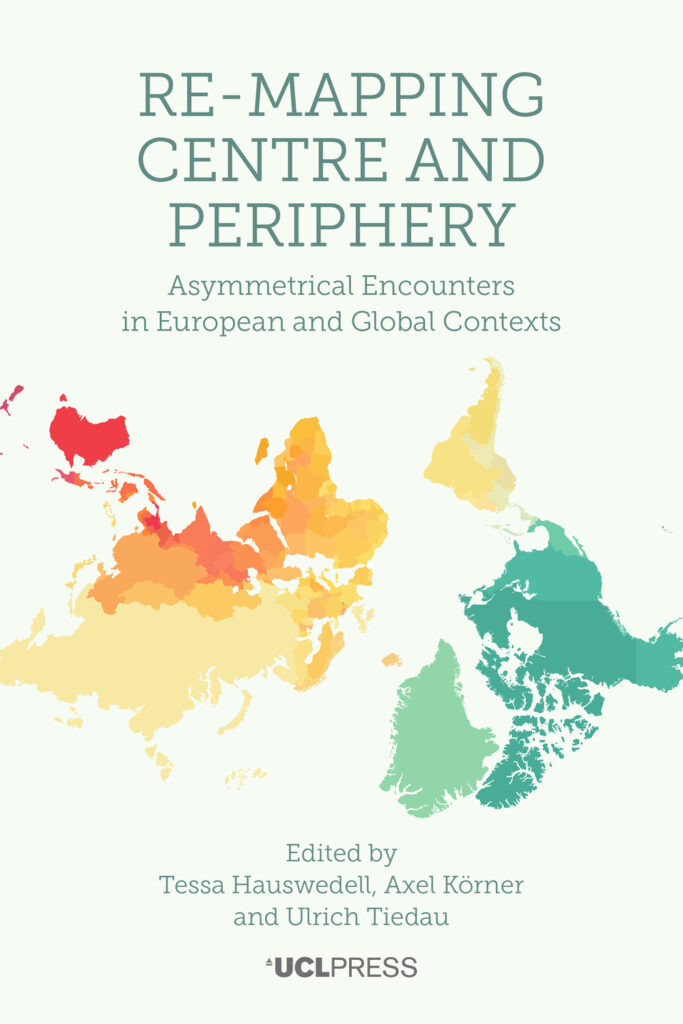
Re-Mapping Centre and Periphery

Historians often assume a one-directional transmission of knowledge and ideas, leading to the establishment of spatial hierarchies defined as centres and peripheries. In recent decades, transnational and global history have contributed to a more inclusive understanding of intellectual and cultural exchanges that profoundly challenged the ways in which we draw our mental maps.

Covering the early modern and modern periods, Re-mapping Centre and Periphery investigates the asymmetrical and multi-directional structure of such encounters within Europe as well as in a global context. Exploring subjects from the shores of the Russian Empire to nation-making in Latin America, the international team of contributors demonstrates how, as products of human agency, centre and periphery are conditioned by mutual dependencies; rather than representing absolute categories of analysis, they are subjective constructions determined by a constantly changing discursive context.

Through its analysis, the volume develops and implements a conceptual framework for remapping centres and peripheries, based on conceptual history and discourse history. As such, it will appeal to a wide variety of historians, including transnational, cultural and intellectual, and historians of early modern and modern periods.

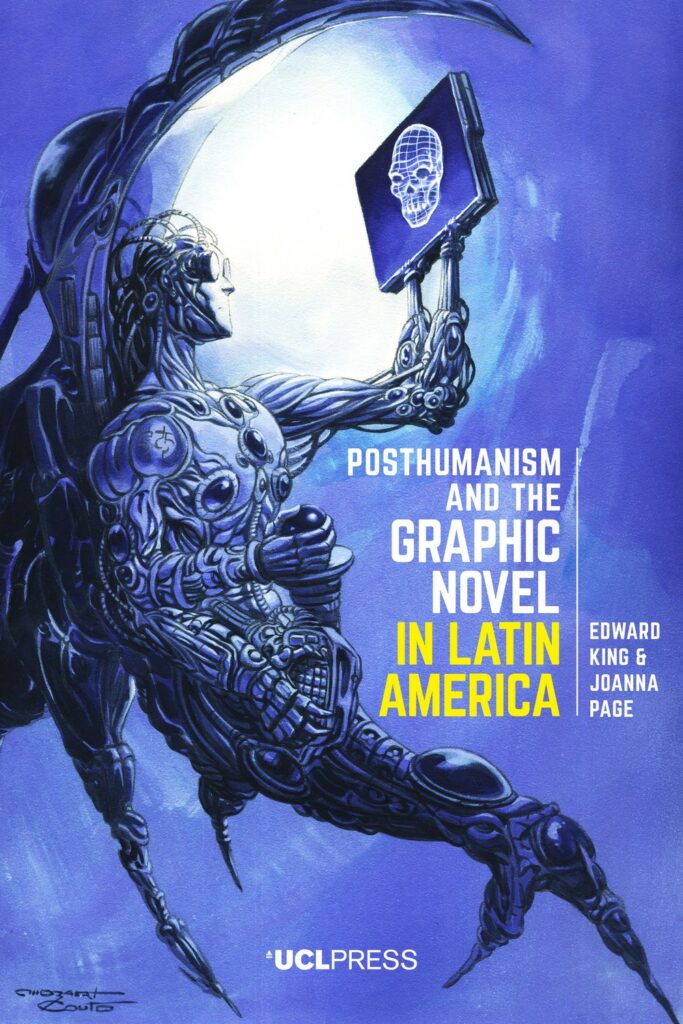
Posthumanism and the Graphic Novel in Latin America

Latin America is experiencing a boom in graphic novels that are highly innovative in their conceptual play and their reworking of the medium. Inventive artwork and sophisticated scripts have combined to satisfy the demand of a growing readership, both at home and abroad. Posthumanism and the Graphic Novel in Latin America, which is the first book-length study of the topic, argues that the graphic novel is emerging in Latin America as a uniquely powerful force to explore the nature of twenty-first century subjectivity. The authors place particular emphasis on the ways in which humans are bound to their non-human environment, and these ideas are productively drawn out in relation to posthuman thought and experience. The book draws together a range of recent graphic novels from Argentina, Brazil, Chile, Mexico and Uruguay, many of which experiment with questions of transmediality, the representation of urban space, modes of perception and cognition, and a new form of ethics for a

Sign up to our newsletter

Don't miss out!
Subscribe to the UCL Press newsletter for the latest open access books,
journal CfPs, news and views from our authors and much more!