We are currently upgrading our shopping cart; in the interim all orders are being diverted to Waterstones. If you would like to redeem a promotional code, or are an author wanting to place an order, please email us.

Contact us

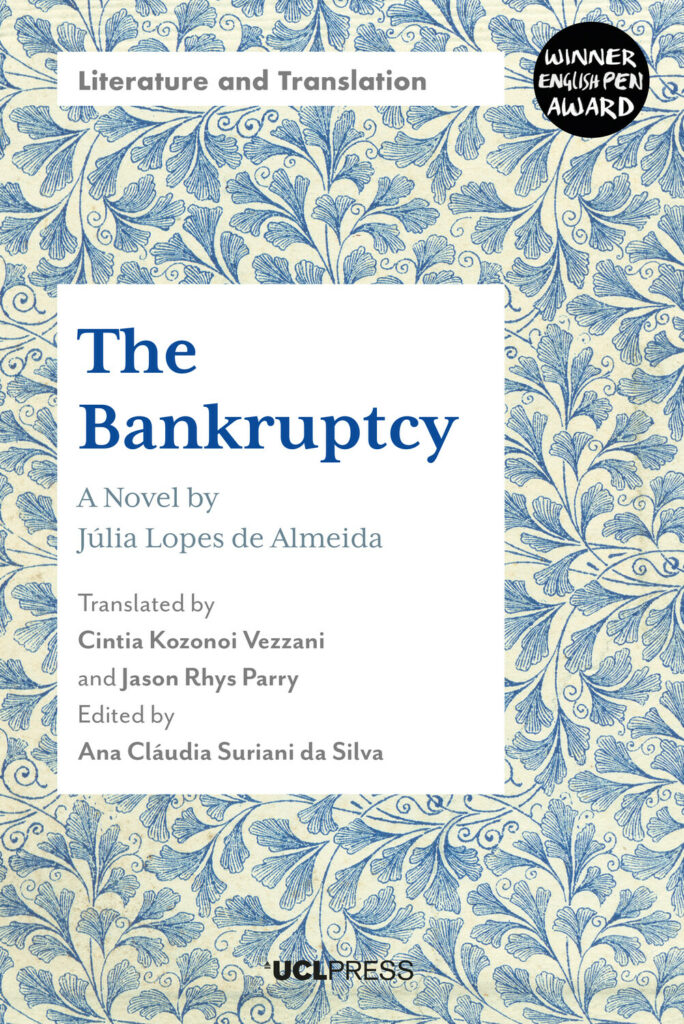
The Bankruptcy

Set in the early years of the Old Republic after the abolition of slavery, Júlia Lopes de Almeida’s The Bankruptcy depicts the rise and fall of a wealthy coffee exporter against a kaleidoscopic background of glamour, poverty, seduction, and financial speculation. The novel introduces readers to a turbulent period in Brazilian history seething with new ideas about democracy, women’s emancipation, and the role of religion in society. Originally published in 1901, its prescient critiques of financial capitalism and the patriarchal family remain relevant today.

In her lifetime, Júlia Lopes de Almeida was compared to Machado de Assis, the most important Brazilian writer of the nineteenth century. She was also considered for the inaugural list of members of the Brazilian Academy of Letters, but was excluded because of her gender. In the decades after her death, her work was largely forgotten. This publication, a winner of the English PEN award, marks the first novel-length translation of Almeida’s writing into English, including an Introduction to the novel and a Translators’ preface, and accompanies a general rediscovery of her extraordinary body of work in Brazil.

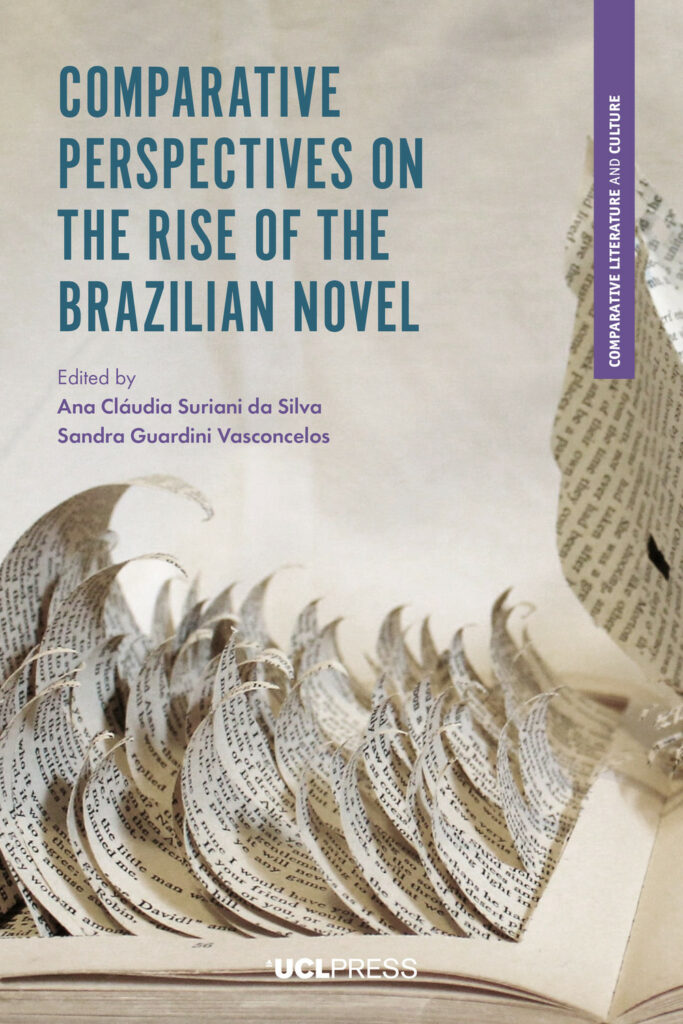
Comparative Perspectives on the Rise of the Brazilian Novel

Comparative Perspectives on the Rise of the Brazilian Novel presents a framework of comparative literature based on a systemic and empirical approach to the study of the novel and applies that framework to the analysis of key nineteenth-century Brazilian novels. The works under examination were published during the period in which the forms and procedures of the novel were acclimatized as the genre established and consolidated itself in Brazil.

The 15 original essays by experienced and early career scholars explore the links between themes, narrative paradigms, and techniques of Brazilian, European and North American novels and the development of the Brazilian novel. The European and North American novels cover a wide range of literary traditions and periods, and are in conversation with the different novelistic trends that characterize the rise of the genre in Brazil. Chapters reflect on both canonical and lesser-known Brazilian works from a comparatist perspective: from the first novel by an Afro-Brazilian woman, Maria Firmina dos Reis’s Ursula (1859) to Machado de Assis’s Dom Casmurro (1900); and from José de Alencar’s Indianist novel, Iracema (1865), to Júlia Lopes de Almeida’s A Falência (The Bankruptcy, 1901).
Sign up to our newsletter

Don't miss out!
Subscribe to the UCL Press newsletter for the latest open access books,
journal CfPs, news and views from our authors and much more!