We are currently upgrading our shopping cart; in the interim all orders are being diverted to Waterstones. If you would like to redeem a promotional code, or are an author wanting to place an order, please email us.

Contact us

What Should Schools Teach?

The design of school curriculums involves deep thought about the nature of knowledge and its value to learners and society. It is a serious responsibility that raises a number of questions. What is knowledge for? What knowledge is important for children to learn? How do we decide what knowledge matters in each school subject? And how far should the knowledge we teach in school be related to academic disciplinary knowledge? These and many other questions are taken up in What Should Schools Teach?

The blurring of distinctions between pedagogy and curriculum, and between experience and knowledge, has served up a confusing message for teachers about the part that each plays in the education of children. Schools teach through subjects, but there is little consensus about what constitutes a subject and what they are for. This book aims to dispel confusion through a robust rationale for what schools should teach that offers key understanding to teachers of the relationship between knowledge (what to teach) and their own pedagogy (how to teach), and how both need to be informed by values of intellectual freedom and autonomy.

This second edition includes new chapters on Chemistry, Drama, Music and Religious Education, and an updated chapter on Biology. A revised introduction reflects on emerging discourse around decolonizing the curriculum, and on the relationship between the knowledge that children encounter at school and in their homes.
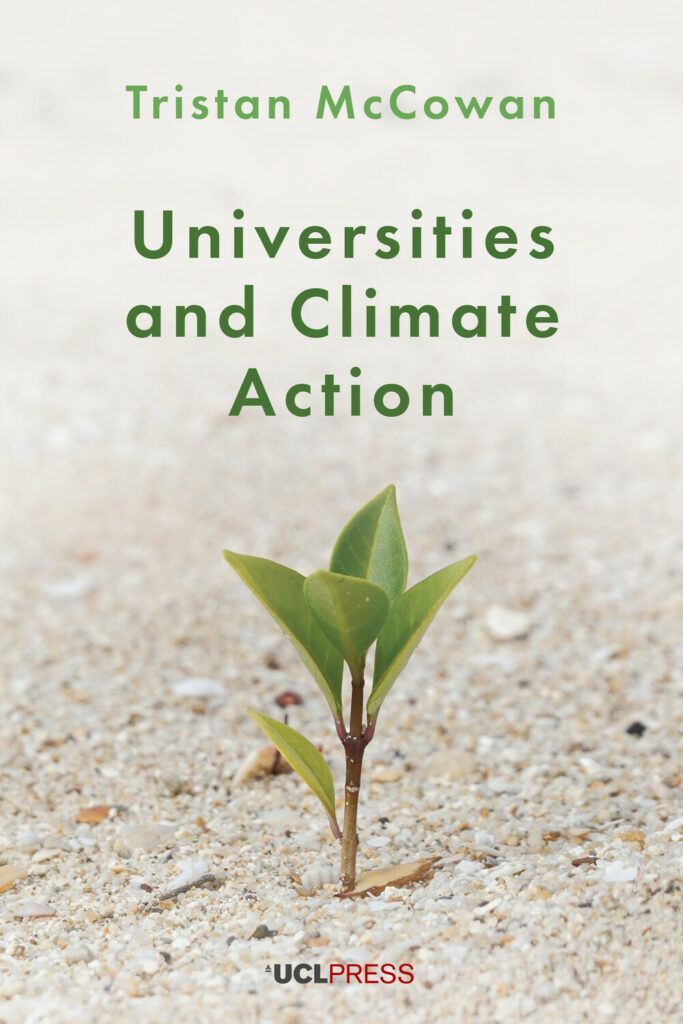
Universities and Climate Action

Universities have a pivotal role to play in addressing the climate crisis, not only educating an increasingly large proportion of the global population, but also through scientific breakthroughs, technological innovation and raising public awareness. Higher education is particularly important given the roots of ecological and social breakdown in our models of civilisation, culture and knowledge. Yet its potential has not always been realised, and universities have historically been implicated in the exploitation and destruction of the natural environment and human communities. A transformation is thus needed in higher education, with institutions reorienting their activities towards positive engagement with climate.

Universities and Climate Action presents an original framework for understanding the impact of universities on climate change. It explores the interactions of education, research, services, public debate and campus operations on society and the ecosphere, and the complex interplay of influences on local, national and global levels. It provides in-depth discussions of ways of engaging with climate in teaching and learning and the curriculum, in research agendas, in governance and management of estates, and in engaging with external communities. The theoretical models are contextualised with examples of climate action in universities around the world. This book provides vital tools for analysis and action for researchers and practitioners working with and within the higher education sector.

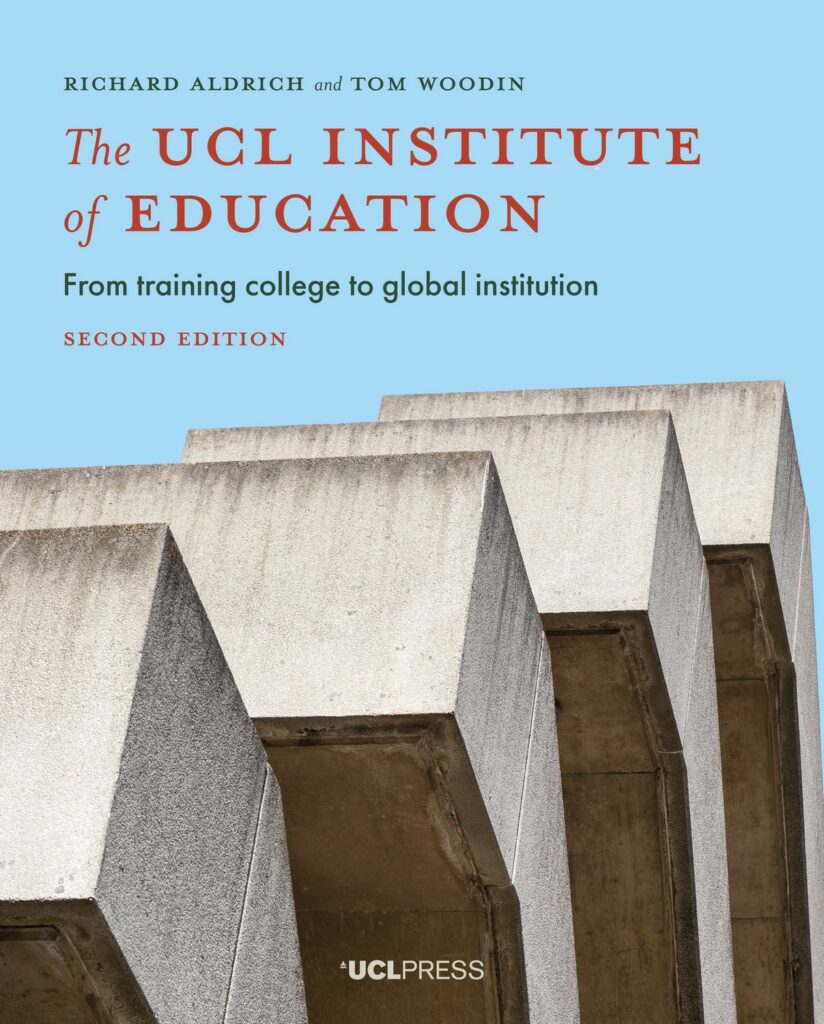
The UCL Institute of Education

The history of the UCL Institute of Education is one of persistent renewal. Since its founding in 1902 as the London Day Training College, through its establishment as a university institute and merger with UCL, the IOE has constantly grown into new areas of learning and social research. As a locus for leadership, it has exerted influence upon the nature and direction of education nationally and internationally.

Drawing upon a wide range of sources, the connections between internal history and external historical developments are sensitively teased out. The result is an elegantly written history, characterised by substantial scholarship and analysis, and enlivened by illustrations and anecdote. The pages of this book are peopled with some of the most influential, and at times controversial, figures of education, including Sidney Webb, Cyril Burt, Susan Isaacs, Sophie Bryant, Richard Peters, Basil Bernstein, Ann Oakley, Celia Hoyles and Stephen Ball.

Two new chapters extend Richard Aldrich’s text to 2020. These examine the extraordinary years of growth in the early 2000s, followed by a period of consolidation, merger with UCL and subsequent expansion. The IOE is unique in successfully pursuing a world-leading research agenda while also supporting a wide range of teacher education, having an impact in London, across Britain and the world.

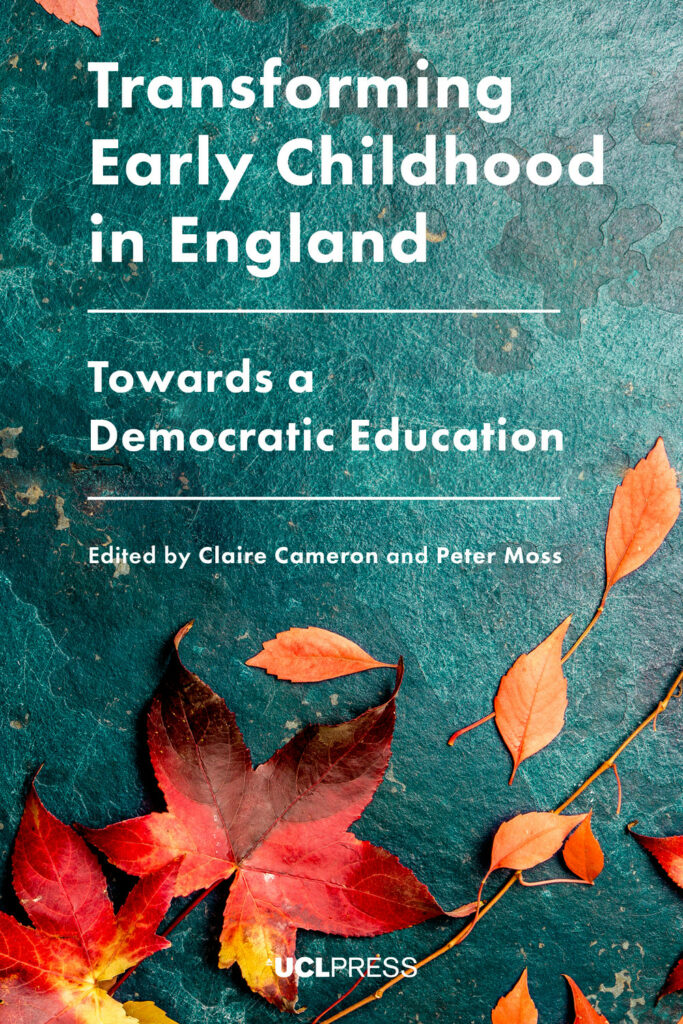
Transforming Early Childhood in England

Early childhood education and care has been a political priority in England since 1997, when government finally turned its attention to this long-neglected area. Public funding has increased, policy initiatives have proliferated and at each general election political parties aim to outbid each other in their offer to families. Transforming Early Childhood in England: Towards a Democratic Education argues that, despite this attention, the system of early childhood services remains flawed and dysfunctional. National discourse is dominated by the cost and availability of childcare at the expense of holistic education, while a hotchpotch of fragmented provision staffed by a devalued workforce struggles with a culture of targets and measurement. With such deep-rooted problems, early childhood education and care in England is beyond minor improvements. In the context of austerity measures affecting many young families, transformative change is urgent.

Transforming Early Childhood in England offers a critical analysis of the current system and proposes change based on young children’s universal right to education. The book calls for provision built on democratic principles, where all learning by all children is visible and recognised, educators are trusted and respected, and a calmer approach called ‘slow pedagogy’ replaces outcomes-driven targets. Combining criticism and hope, and drawing on inspiring research and examples from home and abroad, the book is essential reading for students, educators, practitioners, parents, academics and policymakers – anyone, in fact, who seeks to understand the policy problems for early childhood education and care in England, and see better prospects for the future.

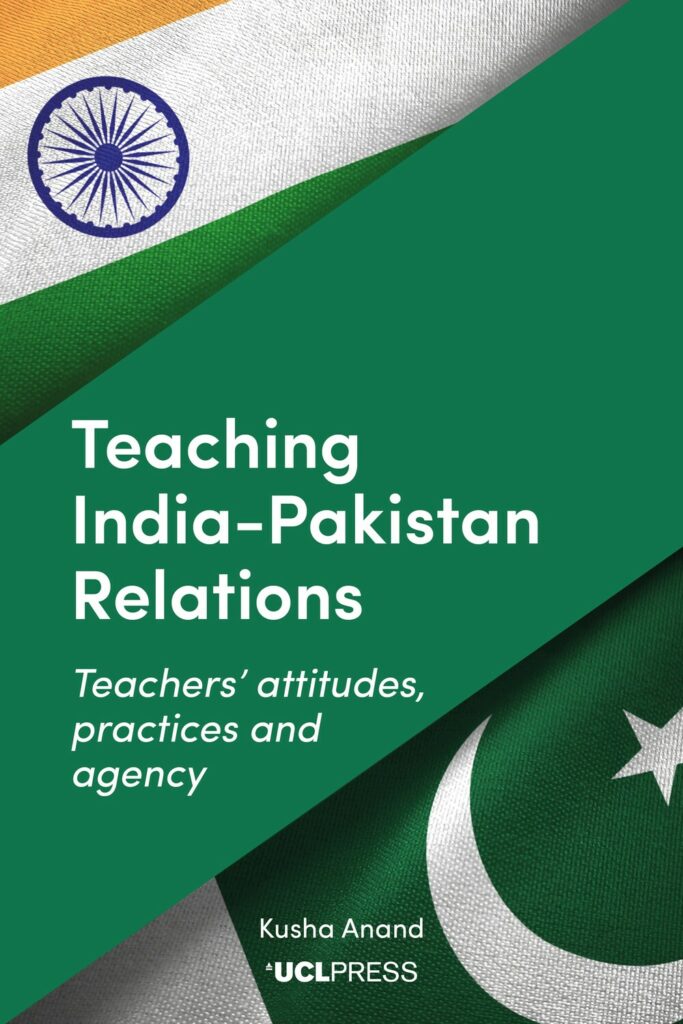
Teaching India–Pakistan Relations

The rivalry between India and Pakistan began on British withdrawal from the British Indian Empire in 1947, and with the sudden partition of India immediately afterwards. It has proven remarkably resilient. While the countries share a long history and have considerable social–cultural affinity, relations since Partition have been marked by three wars, constant border skirmishes and a deep distrust that permeates both societies. In each, teaching about those relations is weighted with political and cultural significance, and research shows that curriculums have been used to shape the mindset of new generations with regard to their neighbouring state.

This book explores the attitudes and pedagogical decision-making of teachers in India and Pakistan when teaching India–Pakistan relations. Situating teachers in the context of reformed textbooks and curriculums in both countries that explicitly advocate critical thinking and social cohesion, Kusha Anand explores how far teachers have enacted these changes in their classrooms. Based on data collected from teachers via semi-structured interviews and classroom observations in India and Pakistan she argues that, despite whole-nation policies and texts, teaching of India–Pakistan relations is dependent on the socio-economic status of schools. While there is progress towards the stated goals, teachers in both countries face pressures from the interests of school and state, and often miss opportunities to engage with multiple perspectives and stereotypes in their classrooms.

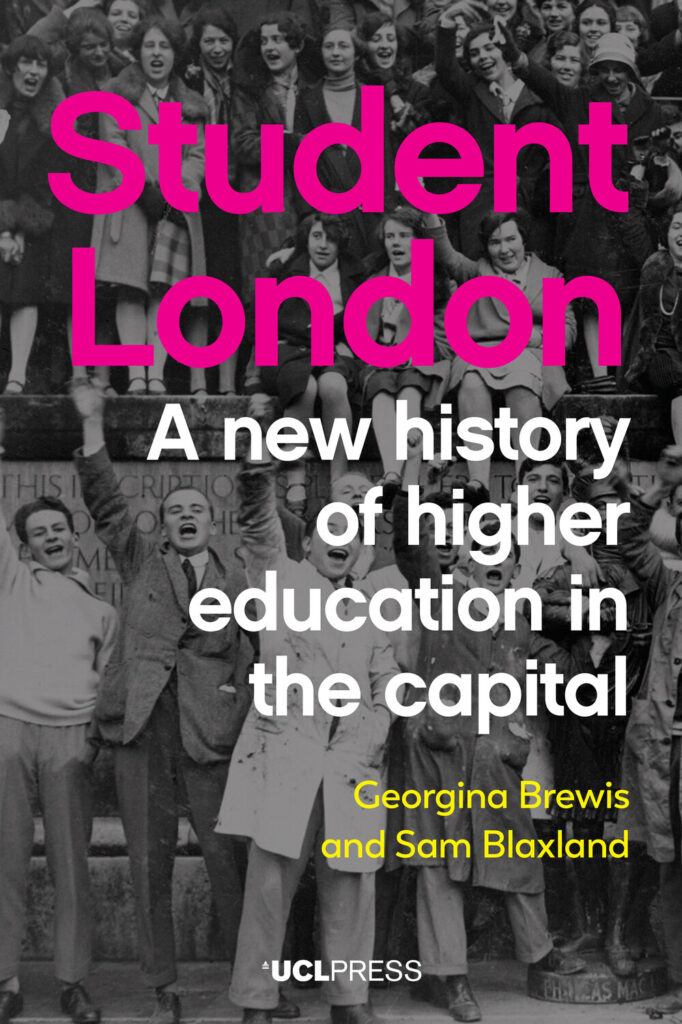
Student London

Students have formed a significant part of London’s population since the foundation of its first university in 1826, and Student London centres their experiences in the city’s history. To tell the 200-year story of student life in the capital this book draws on a rich source base that ranges from institutional records to college magazines, court reports to secret service files, and many hundreds of student memoirs and oral histories. It offers a detailed examination of life at the original London University (known as University College London since 1836) alongside many other institutions that eventually joined with UCL. Student London captures a diverse range of higher education experiences across medical schools, teacher training colleges and specialist institutes. A sweeping history of an ever-changing city, the book engages in much greater depth with London’s imperial history than earlier studies of higher education. It examines students’ everyday lives, fees and funding, collegiate cultures, social and political engagement, physical and mental health, recreation, sports and leisure. In doing so, it charts changing student attitudes to class, race, gender, sex and sexuality across two centuries.

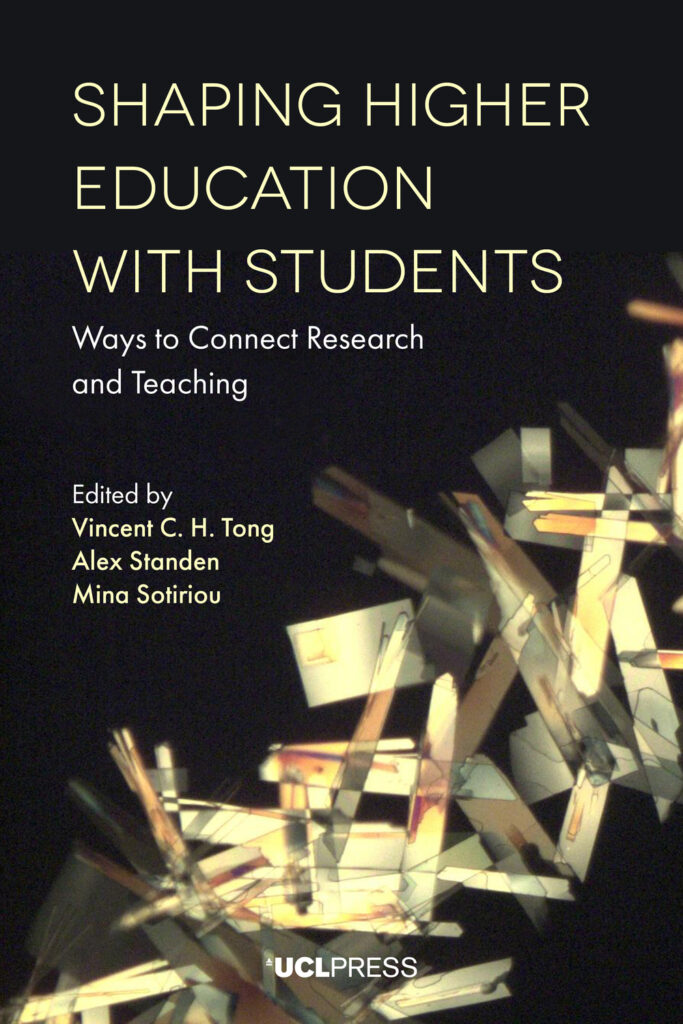
Shaping Higher Education with Students

Forging closer links between university research and teaching has become an important way to enhance the quality of higher education across the world. As student engagement takes centre stage in academic life, how can academics and university leaders engage with their students to connect research and teaching more effectively? In this highly accessible book, the contributors show how students and academics can work in partnership to shape research-based education.

Featuring student perspectives, it offers academics and university leaders practical suggestions and inspiring ideas on higher education pedagogy, including principles of working with students as partners in higher education, connecting students with real-world outputs, transcending disciplinary boundaries in student research activities, connecting students with the workplace, and innovative assessment and teaching practices. Written and edited in full collaboration with students and leading educator-researchers from a wide spectrum of academic disciplines, this book poses fundamental questions about learning and learning communities in contemporary higher education.

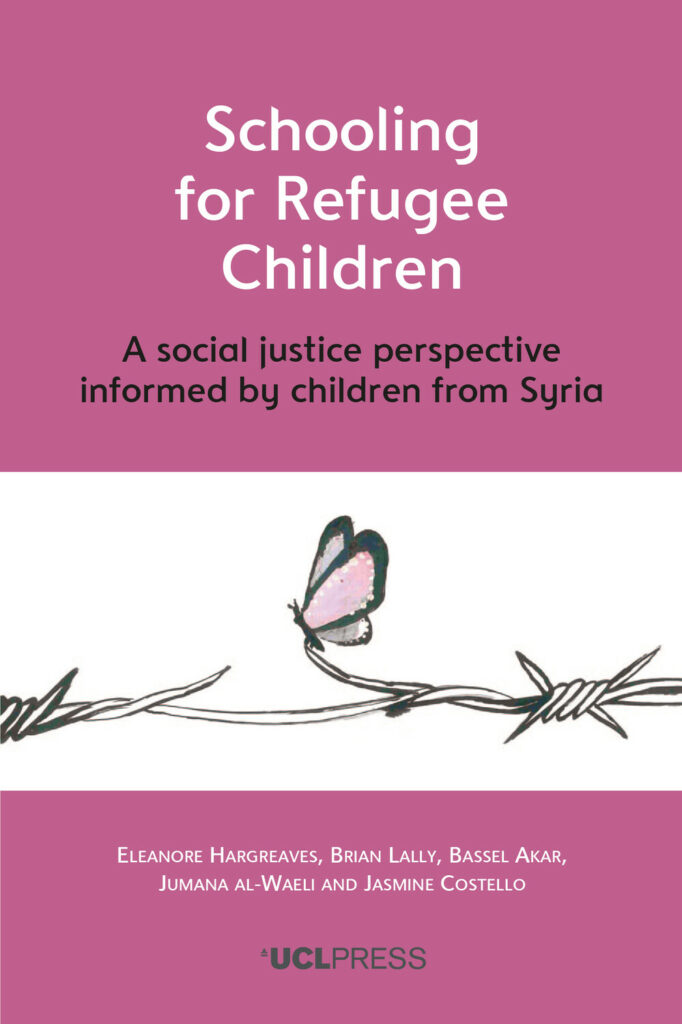
Schooling for Refugee Children

Schooling for Refugee Children is a collaboration between five authors who explore their interactions with refugee children displaced from Syria to the Lebanese borders and London. Through a programme of carefully tailored research activities, they analyse the children’s representations of their personal journeys and current circumstances, especially with regard to ongoing schooling. The children’s experiences are expressed through their own words and drawings, disrupting the stereotype of children as ‘receivers’ rather than empowered actors, and challenging traditional solutions for improving schooling. Throughout, the children are eloquent about their schooling in the context of displacement. Their views and illustrations depict a keen awareness of social justice issues, including on the distribution of wealth, recognition of status and representation of voice. These are framed by the authors within Nancy Fraser’s concept of social justice as parity-of-participation. In this way, the book brings to light important representations of some empowering experiences lived through by refugee children from Syria, as well as their thoughts on what has helped their learning and what can be done better. The children’s need for care and a sense of belonging in their schools and new communities is given particular emphasis throughout the book, represented by one child, who simply requested, ‘Add some more love!’

Rethinking Class Size

The debate over whether class size matters for teaching and learning is one of the most enduring, and aggressive, in education research. Teachers often insist that small classes benefit their work. But many experts argue that evidence from research shows class size has little impact on pupil outcomes, so does not matter, and this dominant view has informed policymaking internationally. Here, the lead researchers on the world’s biggest study into class size effects present a counter-argument. Through detailed analysis of the complex relations involved in the classroom they reveal the mechanisms that support teachers’ experience, and conclude that class size matters very much indeed.

Drawing on 20 years of systematic classroom observations, surveys of practitioners, detailed case studies and extensive reviews of research, Peter Blatchford and Anthony Russell contend that common ways of researching the impact of class size are limited and sometimes misguided. While class size may have no direct effect on pupil outcomes, it has, they say, significant force through interconnections with classroom processes. In describing these connections, the book opens up the everyday world of the classroom and shows that the influence of class size is everywhere. It impacts on teaching, grouping practices and classroom management, the quality of peer relations, tasks given to pupils, and on the time teachers have for marking, assessments and understanding the strengths and challenges for individual pupils. From their analysis, the authors develop a new social pedagogical model of how class size influences work, and identify policy conclusions and implications for teachers and schools.

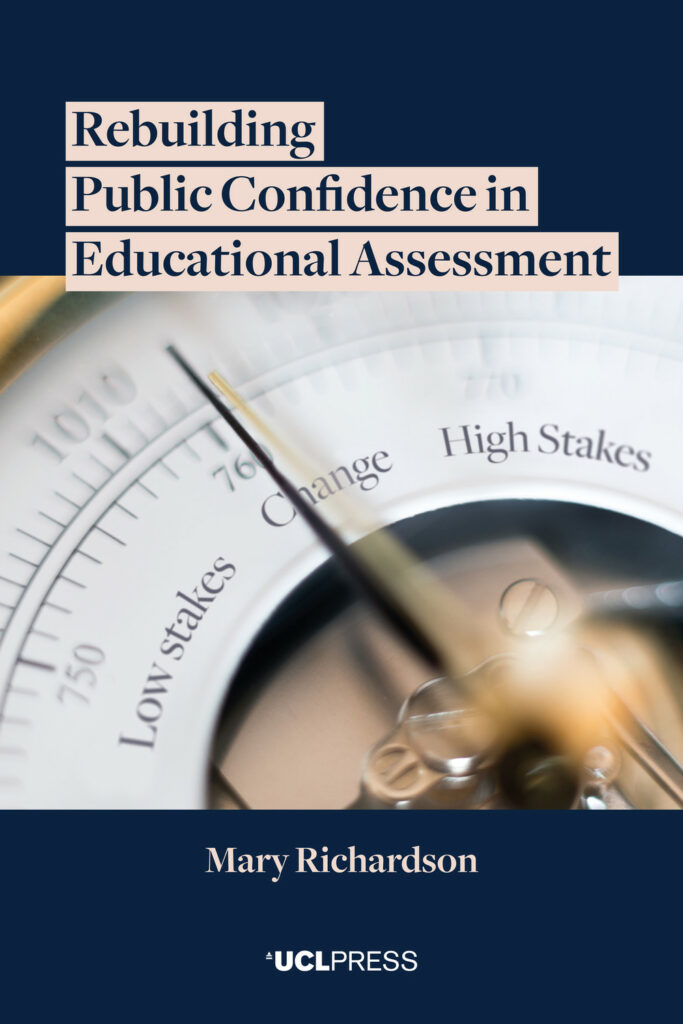
Rebuilding Public Confidence in Educational Assessment

Educational assessment is important. But in the twenty-first century it is easy to feel that schooling and other phases of education are shaped entirely by certain assessments, and that assessment is only about exam results. The idea that test grades can accurately describe the aims and outcomes of education is unfair and reductive. Yet it is a pervasive and persuasive discourse. This book is about such discourses – the stories we tell each other – and how they impact public trust and confidence in educational assessment. It explains the roots and nature of assessment discourses, and proposes a restructuring of the debates in order to rebuild public confidence. It aims to challenge dominant assessment discourses and demands a more nuanced, informed debate about what happens in and beyond schools, and how this influences public thinking.

Questioning the status quo needs buy-in from policymakers, teachers, parents and students, and from the broader public: from journalists, you, me, our friends and our children. Using examples from international settings to explore the nature of trust in assessment discourses, Rebuilding Public Confidence in Educational Assessment shows how these discourses can be reframed so that all aspects of the assessment system – policymaking, school planning, home practice with students – can be undertaken with confidence.

Sign up to our newsletter

Don't miss out!
Subscribe to the UCL Press newsletter for the latest open access books,
journal CfPs, news and views from our authors and much more!