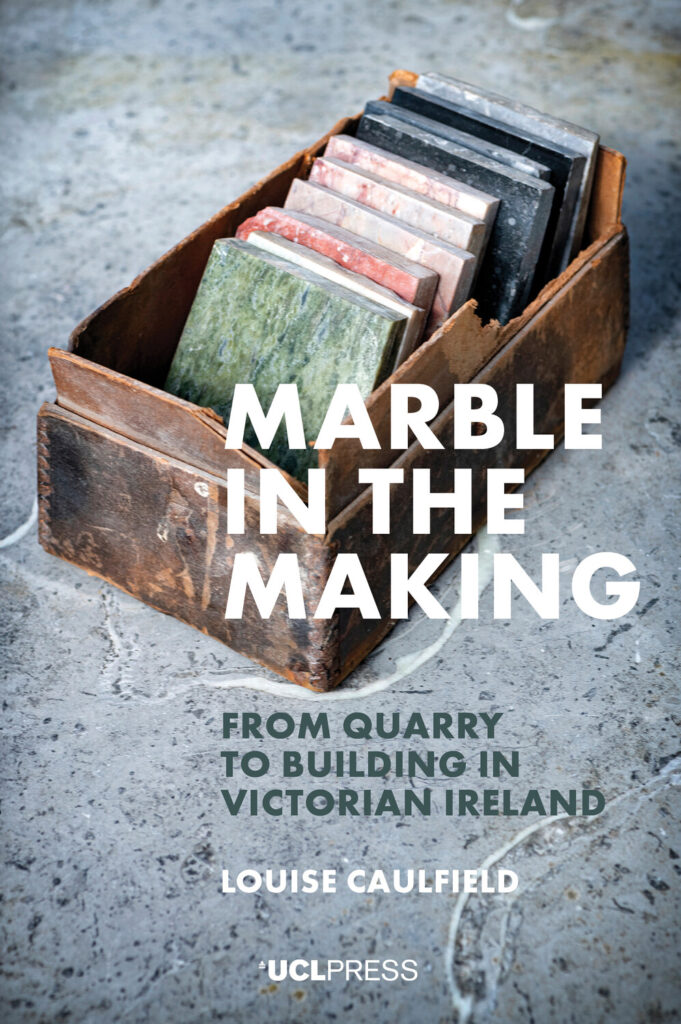
Marble in the Making

Ireland’s geological bedrock, though often overlooked, contains an exceptional range of varicoloured marbles comparable to continental varieties and in some cases superior. Marble in the Making focuses on Victorian Ireland, an architectural landscape characterised by neo-Gothic design and the high point of indigenous marble production. It demonstrates that the architecture of this period is distinguished by native polychromy, a feature that was shaped by the resurgence of Gothic architecture and driven by post-Famine entrepreneurship and industrialisation.

This is the first major study of Irish marble. It uncovers the largely unheard-of marble industry by tracing stone from quarry source to marble works to building. The book’s interdisciplinary approach identifies key marble deposits and their distinctive characteristics, outlines workshop and quarry practices, reconstructs trade paths and reveals connections between communities. It enables a holistic and contextual attribution of architectural marble and broadens the understanding of nineteenth-century Irish Gothic Revival architecture. Moreover, this research repositions Irish marble within an international framework, highlighting its contribution to transnational material culture and geological heritage.
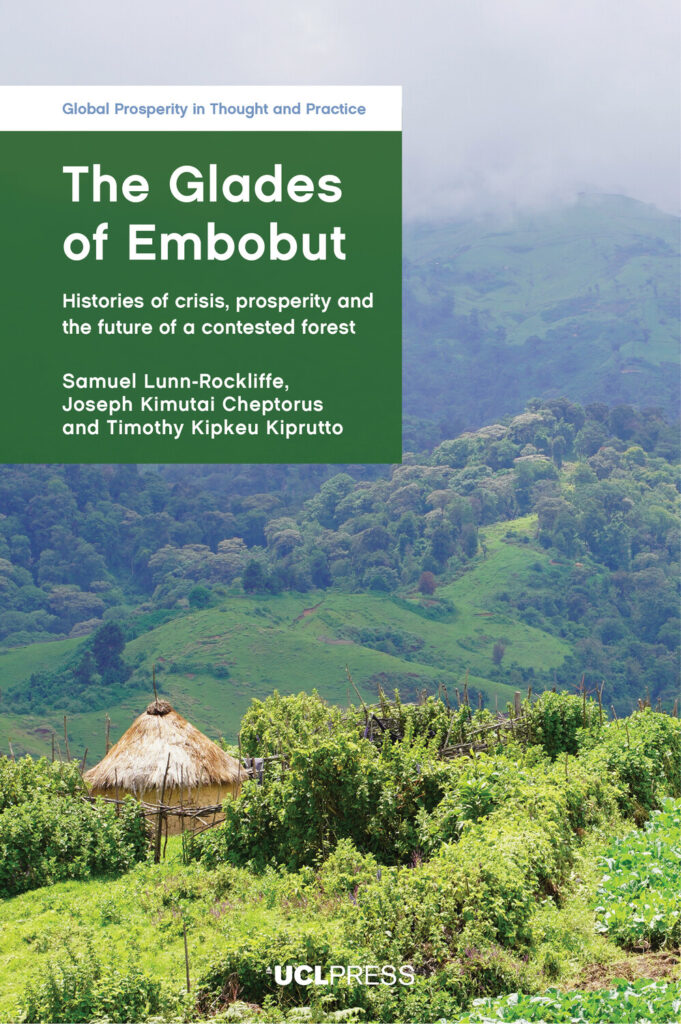
The Glades of Embobut

The Embobut Forest, western Kenya, is beset by a series of pernicious challenges. Degraded forest ecosystems, biodiversity loss, violent evictions, population growth and the adverse impacts of climate change all underwrite a persistent sense of regional crisis and failed prosperity. Conservationists blame local populations for forest destruction, while community activists emphasise experiences of livelihood loss and marginalisation produced through the imposition of unjust conservation boundaries. Proposed solutions are equally contested. Calls to restore the forest to an imagined natural state devoid of human presence sit in tension with activist efforts to revive idealised Indigenous lifeways grounded in environmental stewardship.

The Glades of Embobut challenges these narratives by situating Embobut as a landscape in constant transformation, shaped through ongoing efforts by communities and policy makers to rework ecological, economic and political relationships in pursuit of regional prosperity. It demonstrates how existing forms of socioecological wellbeing emerge primarily from local knowledge and everyday practice rather than externally conceived development models, and how these processes unfold without fixed end points. Any imagining of forest futures must therefore accommodate the open-ended nature of daily life, where new social and ecological relationships emerge in ways that diverge from the idealised forest environments envisioned by both conservationist and activist thinking.

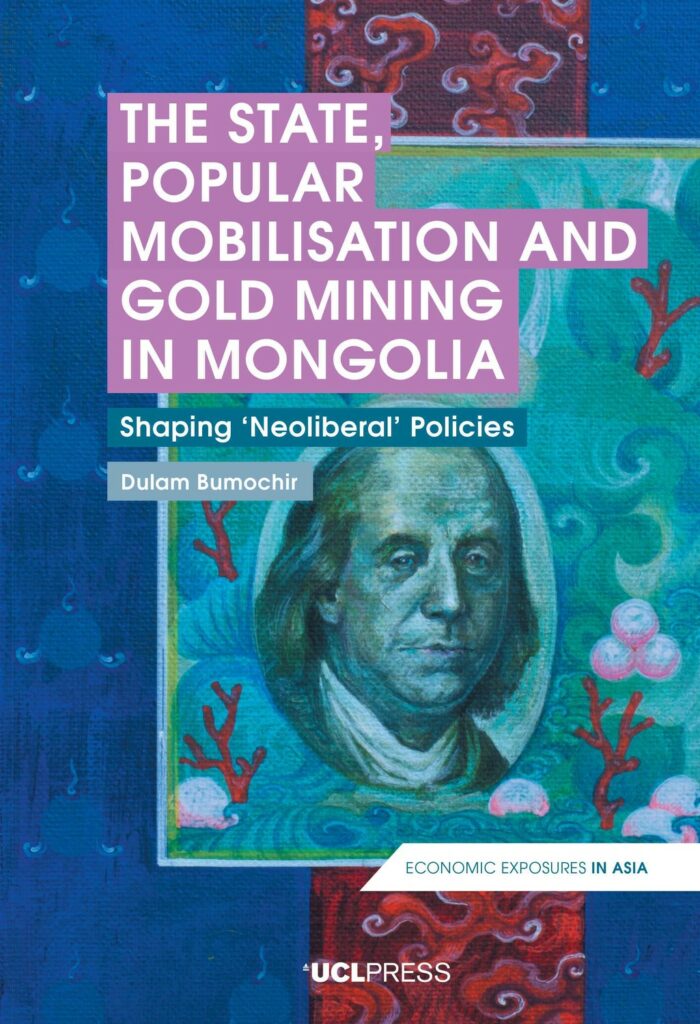
The State, Popular Mobilisation and Gold Mining in Mongolia

Mongolia’s mining sector, along with its environmental and social costs, have been the subject of prolonged and heated debate. This debate has often cast the country as either a victim of the ‘resource curse’ or guilty of ‘resource nationalism’.

In The State, Popular Mobilisation and Gold Mining in Mongolia, Dulam Bumochir aims to avoid the pitfalls of this debate by adopting an alternative theoretical approach. He focuses on the indigenous representations of nature, environment, economy, state and sovereignty that have triggered nationalist and statist responses to the mining boom. In doing so, he explores the ways in which these responses have shaped the apparently ‘neo-liberal’ policies of twenty-first century Mongolia, and the economy that has emerged from them, in the face of competing mining companies, protest movements, international donor organizations, economic downturn, and local and central government policies.

Applying rich ethnography to a nuanced and complex picture, Bumochir’s analysis is essential reading for students and researchers studying the environment and mining, especially in Central and North East Asia and post-Soviet regions, and also for readers interested in the relationship between neoliberalism, nationalism, environmentalism and state.

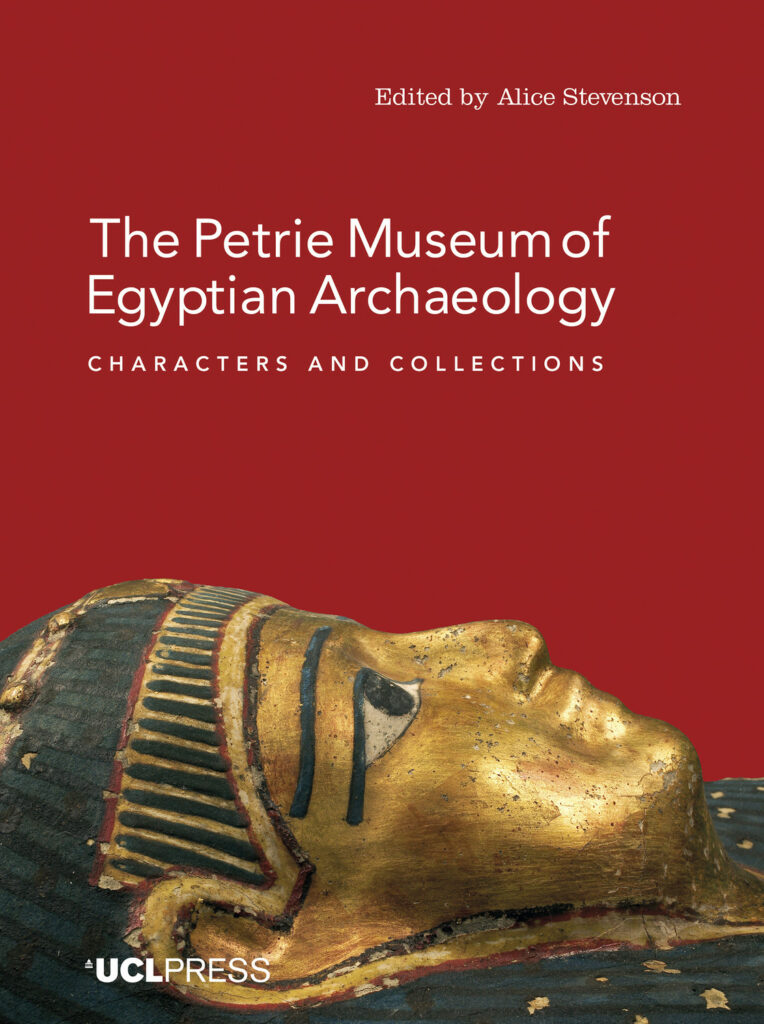
The Petrie Museum of Egyptian Archaeology

The Petrie Museum of Egyptian Archaeology first opened its doors in 1915, and since then has attracted visitors from all over the world as well as providing valuable teaching resources. Named after its founder, the pioneering archaeologist Flinders Petrie, the Museum holds more than 80,000 objects and is one of the largest and finest collections of Egyptian and Sudanese archaeology in the world. Richly illustrated and engagingly written, the book moves back and forth between recent history and the ancient past, between objects and people. Experts discuss the discovery, history and care of key objects in the collections such as the Koptos lions and Roman era panel portraits. The rich and varied history of the Petrie Museum is revealed by the secrets that sit on its shelves.

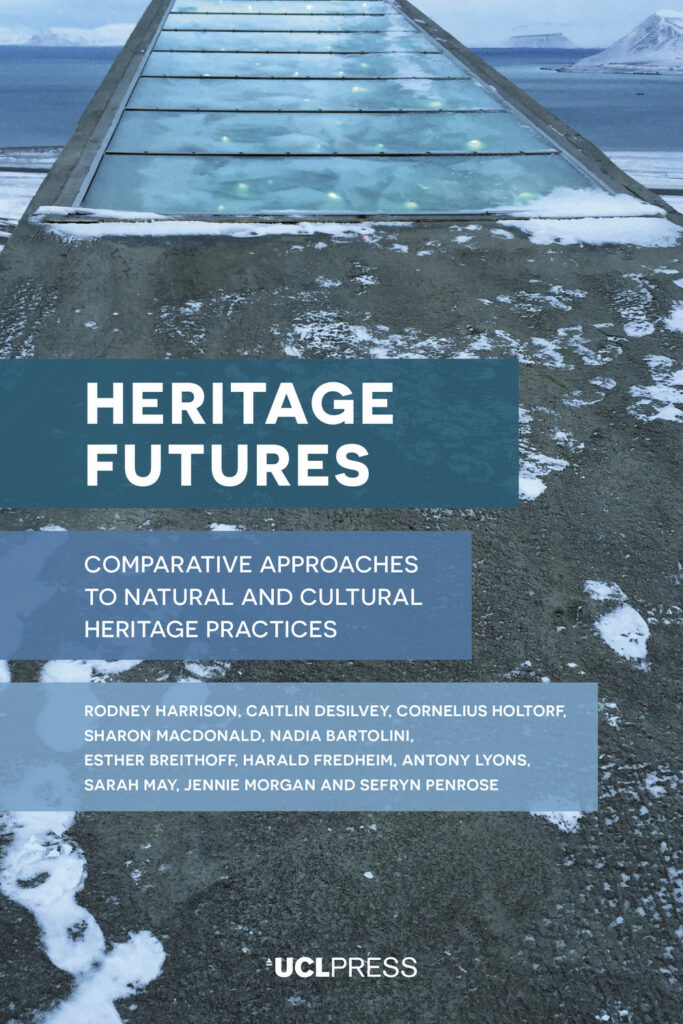
Heritage Futures

Preservation of natural and cultural heritage is often said to be something that is done for the future, or on behalf of future generations, but the precise relationship of such practices to the future is rarely reflected upon. Heritage Futures draws on research undertaken over four years by an interdisciplinary, international team of 16 researchers and more than 25 partner organisations to explore the role of heritage and heritage-like practices in building future worlds.

Engaging broad themes such as diversity, transformation, profusion and uncertainty, Heritage Futures aims to understand how a range of conservation and preservation practices across a number of countries assemble and resource different kinds of futures, and the possibilities that emerge from such collaborative research for alternative approaches to heritage in the Anthropocene. Case studies include the cryopreservation of endangered DNA in frozen zoos, nuclear waste management, seed biobanking, landscape rewilding, social history collecting, space messaging, endangered language documentation, built and natural heritage management, domestic keeping and discarding practices, and world heritage site management.

Heritage Dynamics

How does heritage emerge, change, stagnate, disappear and/or revive over time? Should heritage be approached as a ‘non-renewable resource’ that needs to be sustained for eternity, or as a ‘renewable resource’ that adapts to change and transformation?

Heritage Dynamics deconstructs the dynamic nature of heritage. Heritage as a socio-cultural practice goes through non-linear, continuous lifecycles, where certain factors will be the catalyst for the ending of one lifecycle and the revival for another. Kalliopi Fouseki develops a theoretical and methodological framework of ‘heritage dynamics’, which is used as the analytical thread of six heritage contexts: heritage-led transformation in historic urban places; decision-making on energy efficiency and heritage conservation in ‘everyday heritage’ residential buildings; lifecycles of heritage collections; exhibition dynamics and the impact of participation with emphasis of ‘difficult heritage’; dynamics of dissonance on contested museums and the dynamics of ‘intangible heritage’ with emphasis on flamenco.

The book offers a new theoretical and methodological framework that will enable heritage scholars and practitioners to unpack the ways and conditions under which heritage changes. The new theoretical framework will re-orientate current thinking of heritage as a thing, a process or discourse towards a new, more systemic thinking that captures the complexity of heritage.

Methodologically, Heritage Dynamics introduces the potential of systemic methods, such as system dynamics, in capturing the dynamic nature of heritage. The new theory and method not only opens up new avenues for theoretical explorations, but also offers a significant tool for heritage managers and policymakers.

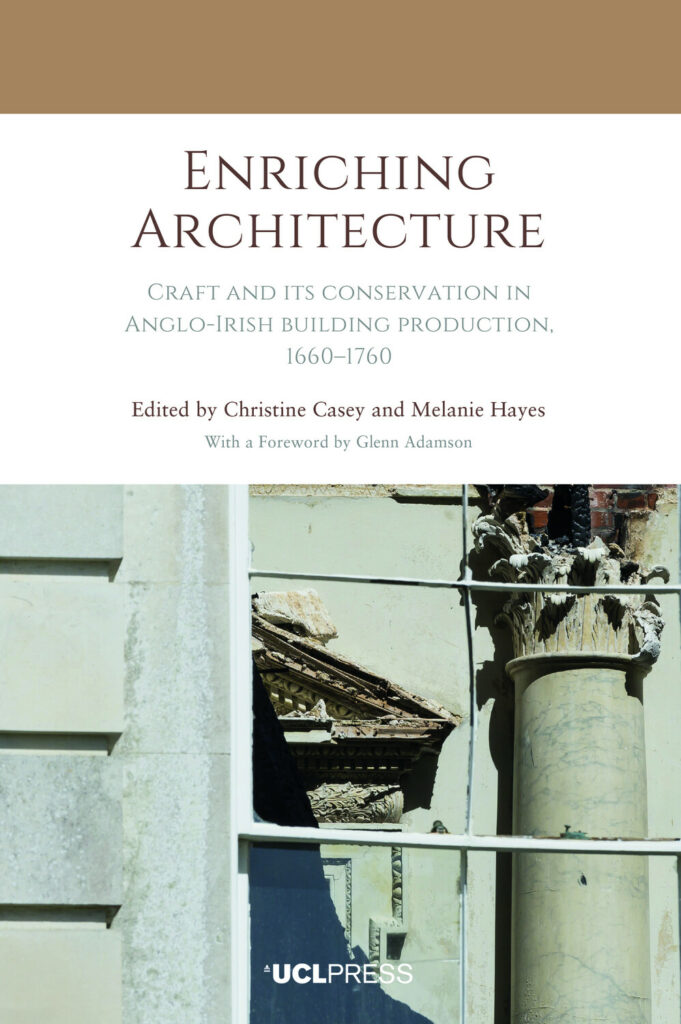
Enriching Architecture

Refinement and enrichment of surfaces in stone, wood and plaster is a fundamental aspect of early modern architecture which has been marginalised by architectural history.

Enriching Architecture aims to retrieve and rehabilitate surface achievement as a vital element of early modern buildings in Britain and Ireland. Rejected by modernism, demeaned by the conceptual ‘turn’ and too often reduced to its representative or social functions, we argue for the historical legitimacy of creative craft skill as a primary agent in architectural production. However, in contrast to the connoisseurial and developmental perspectives of the past, this book is concerned with how surfaces were designed, achieved and experienced.

The contributors draw upon the major rethinking of craft and materials within the wider cultural sphere in recent years to deconstruct traditional, oppositional ways of thinking about architectural production. This is not a craft for craft’s sake argument but an effort to embed the tangible findings of conservation and curatorial research within an evidence-led architectural history that illuminates the processes of early modern craftsmanship. The book explores broad themes of surface treatment such as wainscot, rustication, plasterwork, and staircase embellishment together with chapters focused on virtuoso buildings and set pieces which illuminate these themes.

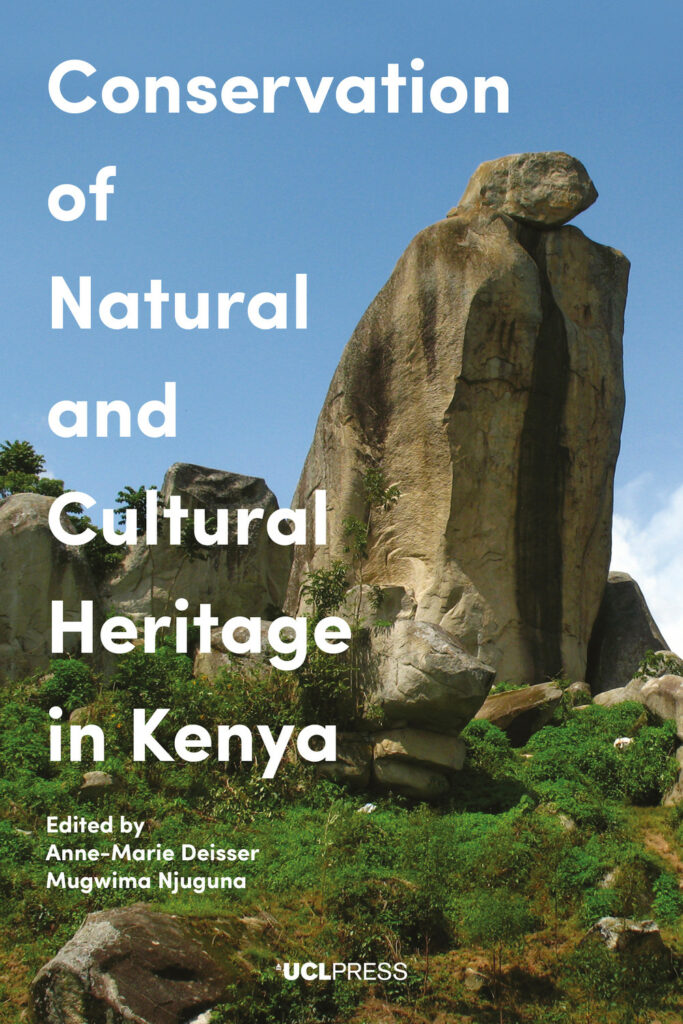
Conservation of Natural and Cultural Heritage in Kenya

In Kenya, cultural and natural heritage has a particular value. Its pre-historic heritage not only tells the story of man’s origin and evolution but has also contributed to the understanding of the earth’s history: fossils and artefacts spanning over 27 million years have been discovered and conserved by the National Museums of Kenya (NMK). Alongside this, the steady rise in the market value of African art has also affected Kenya. Demand for African tribal art has surpassed that for antiquities of Roman, Byzantine, and Egyptian origin, and in African countries currently experiencing conflicts, this activity invariably attracts looters, traffickers and criminal networks.

This book brings together essays by heritage experts from different backgrounds, including conservation, heritage management, museum studies, archaeology, environment and social sciences, architecture and landscape, geography, philosophy and economics to explore three key themes: the underlying ethics, practices and legal issues of heritage conservation; the exploration of architectural and urban heritage of Nairobi; and the natural heritage, landscapes and sacred sites in relation to local Kenyan communities and tourism. It thus provides an overview of conservation practices in Kenya from 2000 to 2015 and highlights the role of natural and cultural heritage as a key factor of social-economic development, and as a potential instrument for conflict resolution.

Sign up to our newsletter

Don't miss out!
Subscribe to the UCL Press newsletter for the latest open access books,
journal CfPs, news and views from our authors and much more!