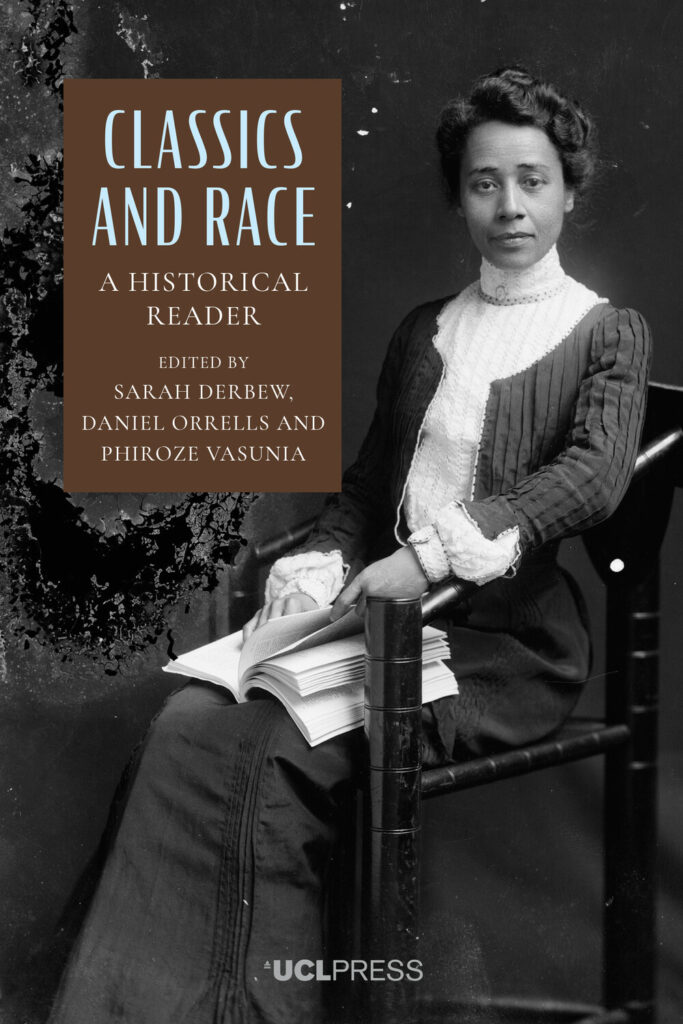
Classics and Race

Classics and Race: A historical reader provides scholars and students with an exploratory intellectual history of the complex relationships between Classics and racist/anti-racist thought-systems. It collects together a series of readings of historical primary sources from the late medieval period until the mid-twentieth century, bringing to light how the classical tradition and post-ancient constructions of race have informed each other. Each reading is accompanied by an essay, written by a leading specialist who offers a discussion of the primary source.

The volume is arranged chronologically, from the late medieval period to the Renaissance, crucial for understanding classical humanism, and on to the eighteenth century with texts foundational to the modern emergence of classical studies as a discipline and its relationship to the transatlantic slave trade. The essays show how the classical tradition has continuously been structured by debates about race, racism and anti-racism. Including voices from Africa, Asia, the Caribbean, Europe and North and South America, the essays demonstrate why the primary text is important for understanding this intellectual and cultural history, and the global reach of the classical tradition.
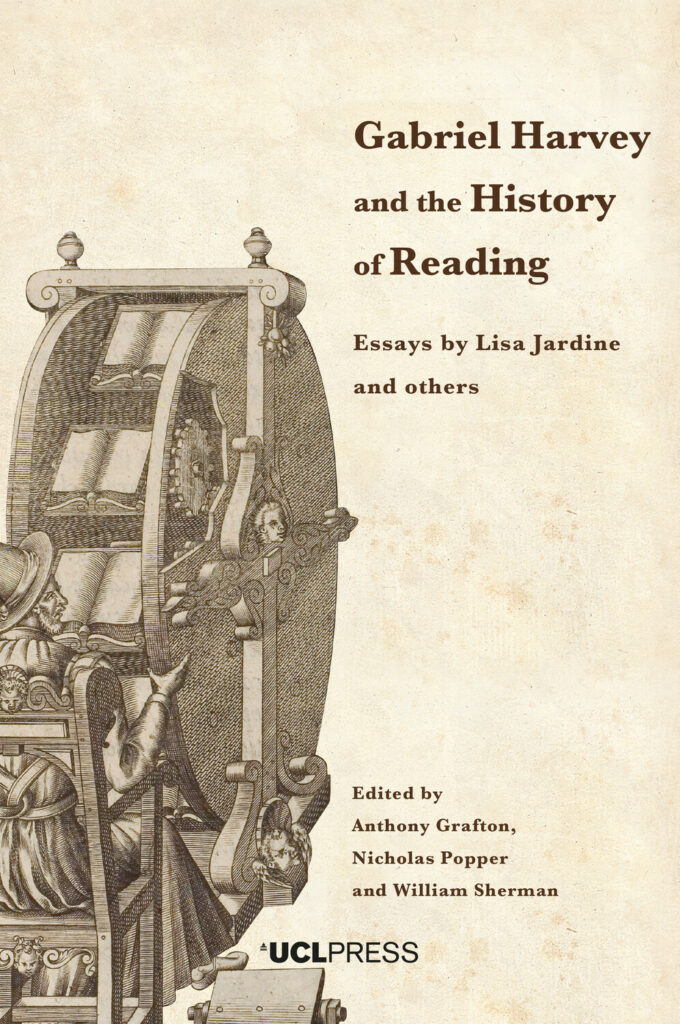
Gabriel Harvey and the History of Reading

Few articles in the humanities have had the impact of Lisa Jardine and Anthony Grafton’s seminal ‘Studied for Action’ (1990), a study of the reading practices of Elizabethan polymath and prolific annotator Gabriel Harvey. Their excavation of the setting, methods and ambitions of Harvey’s encounters with his books ignited the History of Reading, an interdisciplinary field which quickly became one of the most exciting corners of the scholarly cosmos. A generation inspired by the model of Harvey fanned out across the world’s libraries and archives, seeking to reveal the many creative, unexpected and curious ways that individuals throughout history responded to texts, and how these interpretations in turn illuminate past worlds.

Three decades on, Harvey’s example and Jardine’s work remain central to cutting-edge scholarship in the History of Reading. By uniting ‘Studied for Action’ with published and unpublished studies on Harvey by Jardine, Grafton and the scholars they have influenced, this collection provides a unique lens on the place of marginalia in textual, intellectual and cultural history. The chapters capture subsequent work on Harvey and map the fields opened by Jardine and Grafton’s original article, collectively offering a posthumous tribute to Lisa Jardine and an authoritative overview of the History of Reading.

Sign up to our newsletter

Don't miss out!
Subscribe to the UCL Press newsletter for the latest open access books,
journal CfPs, news and views from our authors and much more!