We are currently upgrading our shopping cart; in the interim all orders are being diverted to Waterstones. If you would like to redeem a promotional code, or are an author wanting to place an order, please email us.

Contact us

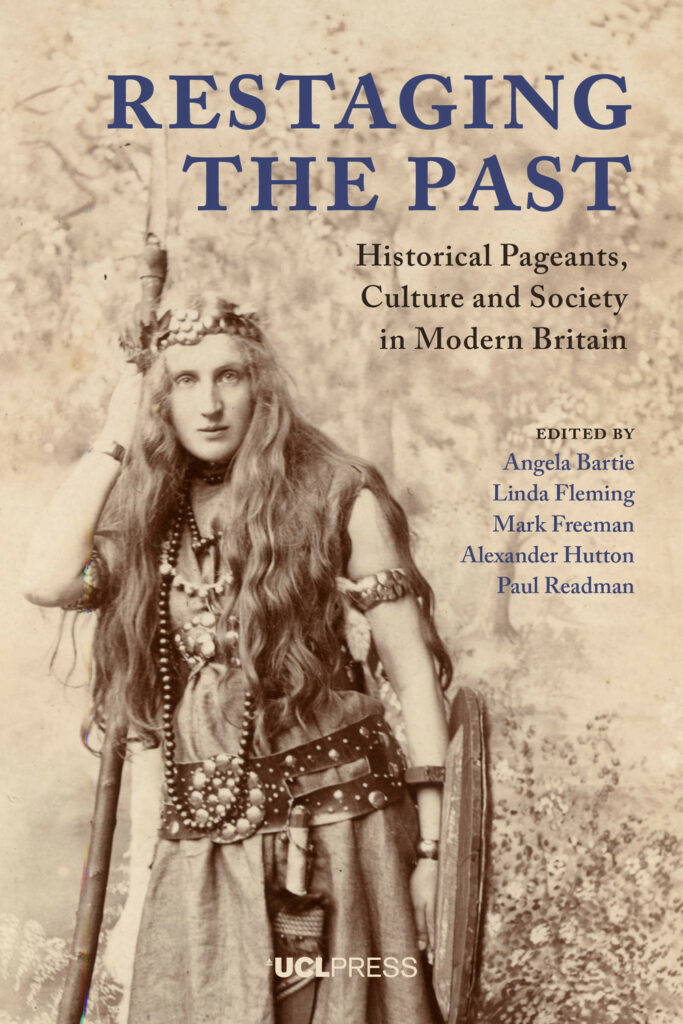
Restaging the Past

Restaging the Past is the first edited collection devoted to the study of historical pageants in Britain, ranging from their Edwardian origins to the present day.

Across Britain in the twentieth century, people succumbed to ‘pageant fever’. Thousands dressed up in historical costumes and performed scenes from the history of the places where they lived, and hundreds of thousands more watched them. These pageants were one of the most significant aspects of popular engagement with the past between the 1900s and the 1970s: they took place in large cities, small towns and tiny villages, and engaged a whole range of different organised groups, including Women’s Institutes, political parties, schools, churches and youth organisations.

Pageants were community events, bringing large numbers of people together in a shared celebration and performance of the past; they also involved many prominent novelists, professional historians and other writers, as well as featuring repeatedly in popular and highbrow literature. Although the pageant tradition has largely died out, it deserves to be acknowledged as a key aspect of community history during a period of great social and political change. Indeed, as this book shows, some traces of ‘pageant fever’ remain in evidence today.
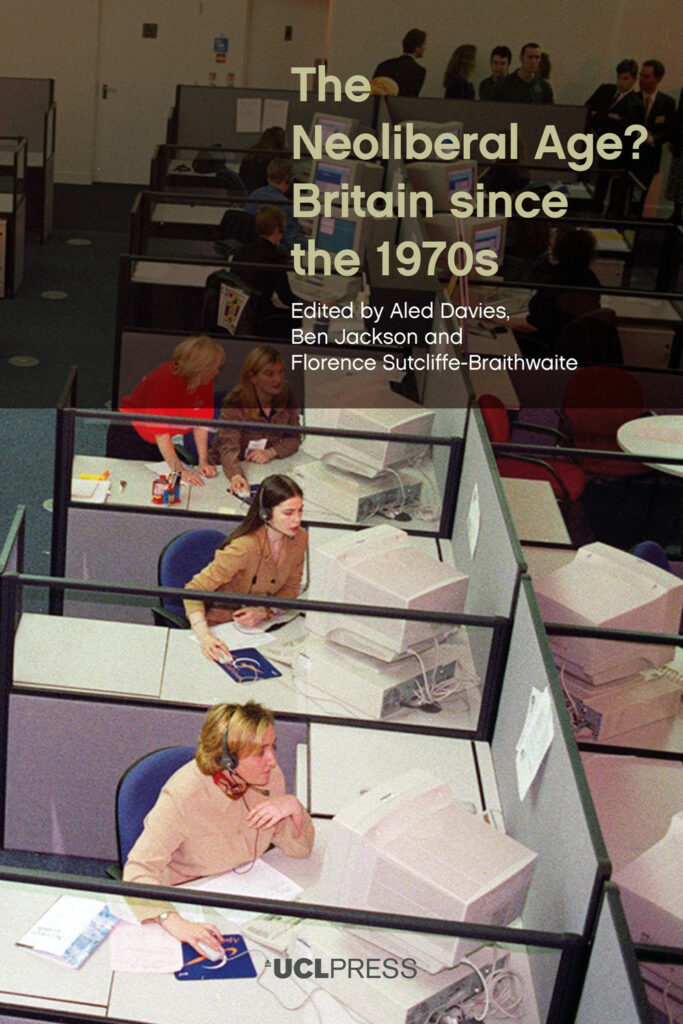
The Neoliberal Age?

The late twentieth and early twenty-first centuries are commonly characterised as an age of ‘neoliberalism’ in which individualism, competition, free markets and privatisation came to dominate Britain’s politics, economy and society. This historical framing has proven highly controversial, within both academia and contemporary political and public debate.

Standard accounts of neoliberalism generally focus on the influence of political ideas in reshaping British politics; according to this narrative, neoliberalism was a right-wing ideology, peddled by political economists, think-tanks and politicians from the 1930s onwards, which finally triumphed in the 1970s and 1980s. The Neoliberal Age? suggests this narrative is too simplistic.

Where the standard story sees neoliberalism as right-wing, this book points to some left-wing origins, too; where the standard story emphasises the agency of think-tanks and politicians, this book shows that other actors from the business world were also highly significant. Where the standard story can suggest that neoliberalism transformed subjectivities and social lives, this book illuminates other forces which helped make Britain more individualistic in the late twentieth century.

The analysis thus takes neoliberalism seriously but also shows that it cannot be the only explanatory framework for understanding contemporary Britain. The book showcases cutting-edge research, making it useful to researchers and students, as well as to those interested in understanding the forces that have shaped our recent past.

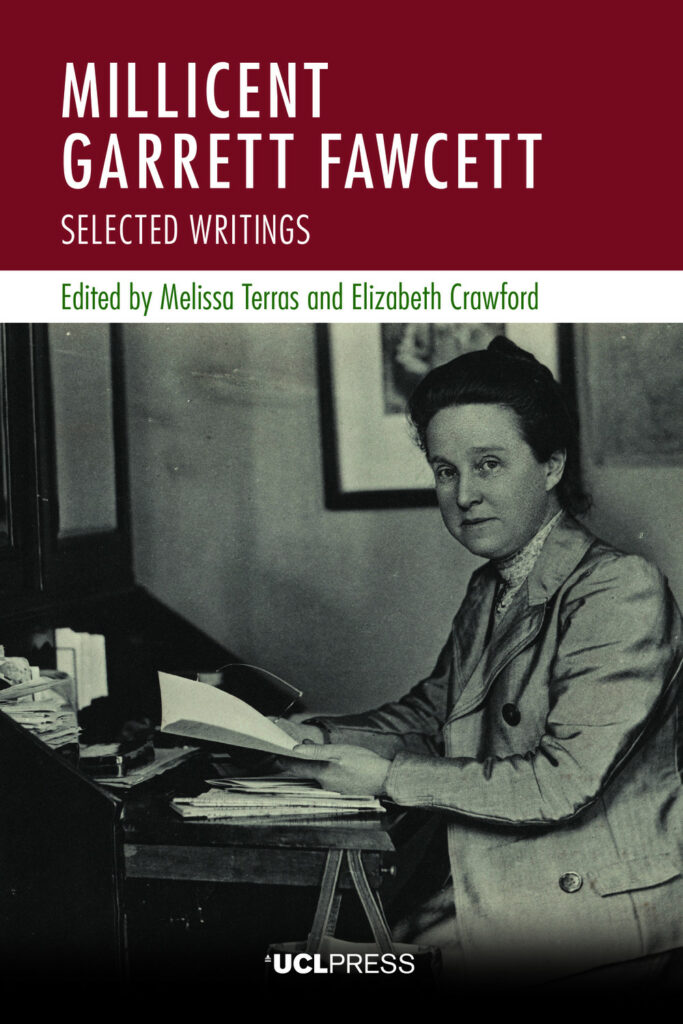
Millicent Garrett Fawcett

‘Courage calls to courage everywhere’ is the best-known phrase associated with Millicent Garrett Fawcett (1847-1929), the leading UK suffragist and campaigner of the late 19th and early 20th centuries. But what is the source of her quote, and what is its context?

This book reproduces Fawcett’s essential speeches, pamphlets and newspaper columns to tell the story of her dynamic contribution to public life. Thirty-five texts and 22 images are contextualised and linked to contemporary news coverage as well as to historical and literary references. These speeches, articles, artworks and photographs cover both the advances and the defeats in the campaign for women’s votes. They also demonstrate a variety of the topics and causes Fawcett pursued: the provision of education for women; feminist history; a love of literature (and Fawcett’s own attempt at fiction); purity and temperance; the campaign against employment of children; the British Army’s approach to the South African War; the Unionist cause against Home Rule for Ireland; and the role of suffrage organisations during World War I. Here is a rich, intertextual web of literary works, preferred reading material, organisations, contacts, friends, and sometimes enemies, that reveals Fawcett the individual throughout 61 years of campaigning. The first scholarly appraisal of Fawcett in over 30 years, this is essential reading for those wishing to understand the varied political, social and cultural contributions of Dame Millicent Garrett Fawcett.

Histories of Technology, the Environment and Modern Britain

Histories of Technology, the Environment, and Modern Britain brings together historians with a wide range of interests to take a uniquely wide-lens view of how technology and the environment have been intimately and irreversibly entangled in Britain over the last 300 years. It combines, for the first time, two perspectives with much to say about Britain since the industrial revolution: the history of technology and environmental history. Technologies are modified environments, just as nature is to varying extents engineered. Furthermore, technologies and our living and non-living environment are both predominant material forms of organisation – and self-organisation – that surround and make us. Both have changed over time, in intersecting ways.

Technologies discussed in the collection include bulldozers, submarine cables, automobiles, flood barriers, medical devices, museum displays and biotechnologies. Environments investigated include bogs, cities, farms, places of natural beauty and pollution, land and sea. The book explores this diversity but also offers an integrated framework for understanding these intersections.

Sign up to our newsletter

Don't miss out!
Subscribe to the UCL Press newsletter for the latest open access books,
journal CfPs, news and views from our authors and much more!