We are currently upgrading our shopping cart; in the interim all orders are being diverted to Waterstones. If you would like to redeem a promotional code, or are an author wanting to place an order, please email us.
Home » Books » History » Narratives of Low Countries History and Culture
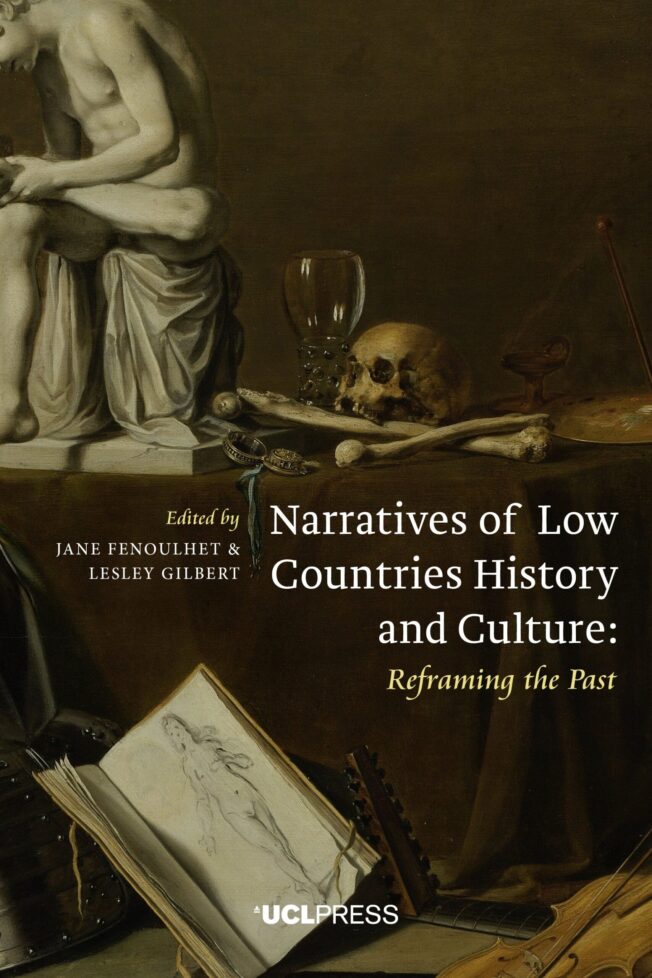
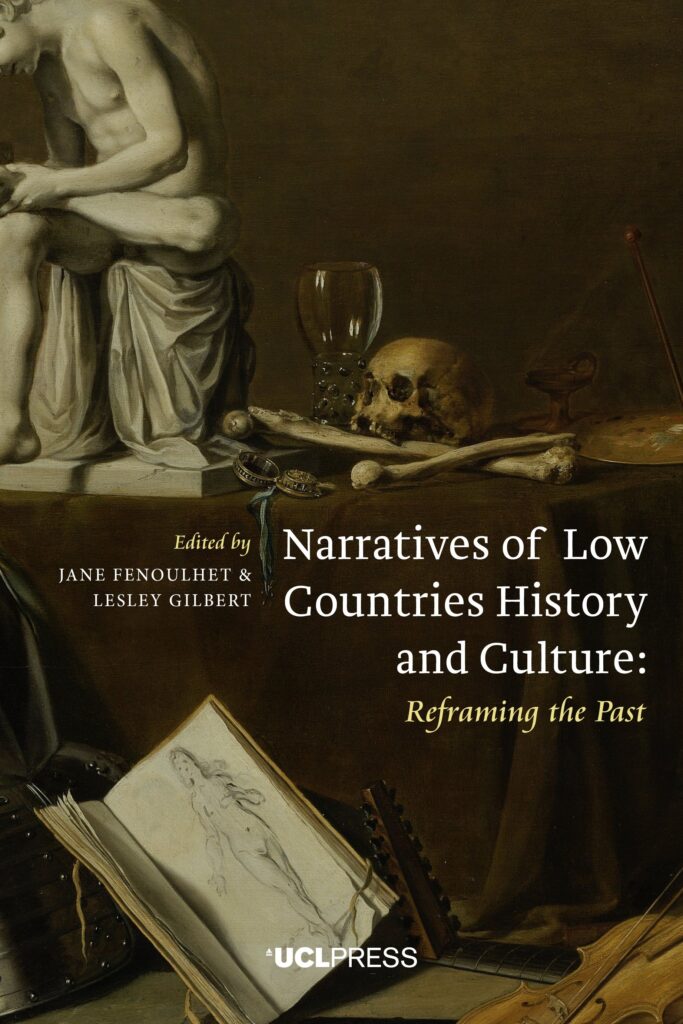
This edited collection explores the ways in which our understanding of the past in Dutch history and culture can be rethought to consider not only how it forms part of the present but how it can relate also to the future.
Divided into three parts – The Uses of Myth and History, The Past as Illumination of Cultural Context, and Historiography in Focus – this book seeks to demonstrate the importance of the past by investigating the transmission of culture and its transformations. It reflects on the history of historiography and looks critically at the products of the historiographic process, such as Dutch and Afrikaans literary history.
The chapters cover a range of disciplines and approaches: some authors offer a broad view of a particular period, such as Jonathan Israel’s contribution on myth and history in the ideological politics of the Dutch Golden Age, while others zoom in on specific genres, texts or historical moments, such as Benjamin Schmidt’s study of the doolhof, a word that today means ‘labyrinth’ but once described a 17th-century educational amusement park. This volume, enlightening and home to multiple paths of enquiry leading in different directions, is an excellent example of what a past-present doolhof might look like.
This edited collection explores the ways in which our understanding of the past in Dutch history and culture can be rethought to consider not only how it forms part of the present but how it can relate also to the future.
Divided into three parts – The Uses of Myth and History, The Past as Illumination of Cultural Context, and Historiography in Focus – this book seeks to demonstrate the importance of the past by investigating the transmission of culture and its transformations. It reflects on the history of historiography and looks critically at the products of the historiographic process, such as Dutch and Afrikaans literary history.
The chapters cover a range of disciplines and approaches: some authors offer a broad view of a particular period, such as Jonathan Israel’s contribution on myth and history in the ideological politics of the Dutch Golden Age, while others zoom in on specific genres, texts or historical moments, such as Benjamin Schmidt’s study of the doolhof, a word that today means ‘labyrinth’ but once described a 17th-century educational amusement park. This volume, enlightening and home to multiple paths of enquiry leading in different directions, is an excellent example of what a past-present doolhof might look like.
Jane Fenoulhet (Editor)
Jane Fenoulhet is Emerita Professor of Dutch Studies at UCL where she taught and researched across the fields of Dutch literature, translation studies and gender studies. She draws on philosophy to unite these interdisciplinary strands and is currently working on the subjectivity of translators. Her books include Making the Personal Political: Dutch Women Writers 1919-1970 (2007) which has a chapter on Carry van Bruggen, and Nomadic Literature: Cees Nooteboom and his Writing (2013).
Lesley Gilbert (Editor)
Lesley Gilbert taught in UCL’s Department of Dutch until 1997.
Ulrich Tiedau ()
Ulrich Tiedau is Associate Professor of Dutch at UCL and an Associate Director of the UCL Centre for Digital Humanities. In addition, he serves as editor-in-chief of Dutch Crossing: Journal of Low Countries Studies.
Sign up to our newsletter
Don't miss out! Subscribe to the UCL Press newsletter for the latest open access books, journal CfPs, news and views from our authors and much more!