We are currently upgrading our shopping cart; in the interim all orders are being diverted to Waterstones. If you would like to redeem a promotional code, or are an author wanting to place an order, please email us.
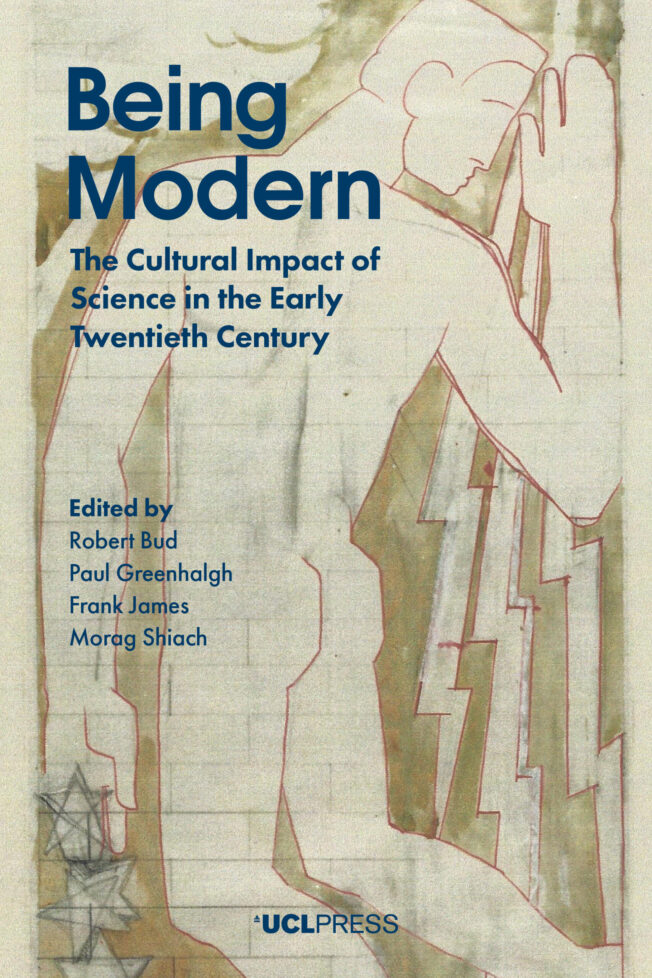
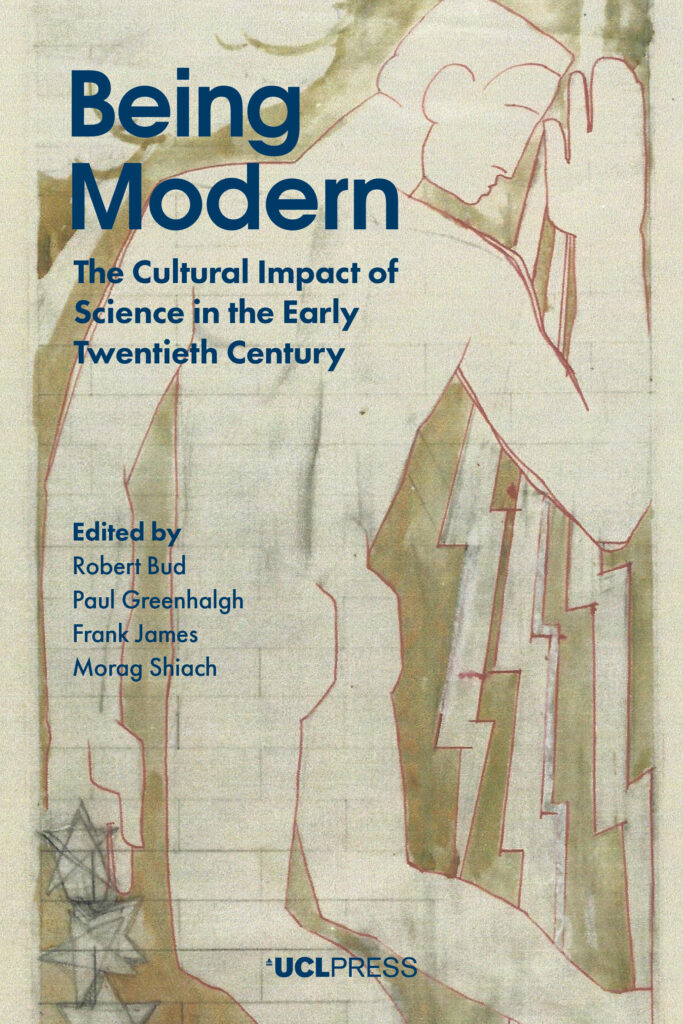
In the early decades of the twentieth century, engagement with science was commonly used as an emblem of modernity. This phenomenon is now attracting increasing attention in different historical specialties. Being Modern builds on this recent scholarly interest to explore engagement with science across culture from the end of the nineteenth century to approximately 1940.
Addressing the breadth of cultural forms in Britain and the western world from the architecture of Le Corbusier to working class British science fiction, Being Modern paints a rich picture. Seventeen distinguished contributors from a range of fields including the cultural study of science and technology, art and architecture, English culture and literature examine the issues involved. The book will be a valuable resource for students, and a spur to scholars to further examination of culture as an interconnected web of which science was a critical part, and to supersede such tired formulations as ‘Science and culture’.
The Cultural Impact of Science in the Early Twentieth Century
Publication date: October 10, 2018
Open Access PDF ISBN: 9781787353930
Paperback ISBN: 9781787353947
Hardback ISBN: 9781787353954
Trim size (hardback): 23.4cm x 15.6cm
Trim size (paperback): 23.4cm x 15.6cm
Page count (hardback): 438
Download free PDF online
https://uclpress.co.uk/book/being-modern/
In the early decades of the twentieth century, engagement with science was commonly used as an emblem of modernity. This phenomenon is now attracting increasing attention in different historical specialties. Being Modern builds on this recent scholarly interest to explore engagement with science across culture from the end of the nineteenth century to approximately 1940.
Addressing the breadth of cultural forms in Britain and the western world from the architecture of Le Corbusier to working class British science fiction, Being Modern paints a rich picture. Seventeen distinguished contributors from a range of fields including the cultural study of science and technology, art and architecture, English culture and literature examine the issues involved. The book will be a valuable resource for students, and a spur to scholars to further examination of culture as an interconnected web of which science was a critical part, and to supersede such tired formulations as ‘Science and culture’.
“The essays are well researched and one of the strengths of this collections is that it provides a wide-ranging view of engagement with, and interpretations of, scientific knowledge. This range testifies to the editors’ sensitivity toward the growing literature in this area, which has moved beyond taking academic physics—particularly relativity—as providing the archetypal scientific concepts of modernity… Overall, this book contributes an interesting and diverse collection of specific cases that will be a resource for scholars of modernity in multiple disciplines. It is freely available online in its entirety on the UCL Press website, a boon for accessibility that promises to be especially useful for students.”
‘Being Modern‘s aim to initiate wider discussions about the role of science in studies of modernity across cultural studies, English literature, art history and the history of science is met through the wealth of papers and clear editorial direction. This book provides a valuable resource for scholars and students of the period broadly concerned with the culture of modernity.’ The British Journal for the History of Science
Robert Bud (Editor)
Robert Bud is Research Keeper at the Science Museum in London. His award-winning publications in the history of science include studies of biotechnology and scientific instruments.
Paul Greenhalgh (Editor)
Paul Greenhalgh is Director of the Sainsbury Centre at the University of East Anglia, and Professor of Art History there. He has published extensively in the history of art, design, and the decorative arts in the early modern period.
Frank James (Editor)
Frank James is Professor of History of Science at the Royal Institution and University College London. His research formerly centred on Faraday, but now focuses on Davy.
Morag Shiach (Editor)
Morag Shiach is Professor of Cultural History at Queen Mary University of London. She has published extensively on the cultural history of modernism and on modernism and labour.
Sign up to our newsletter
Don't miss out! Subscribe to the UCL Press newsletter for the latest open access books, journal CfPs, news and views from our authors and much more!