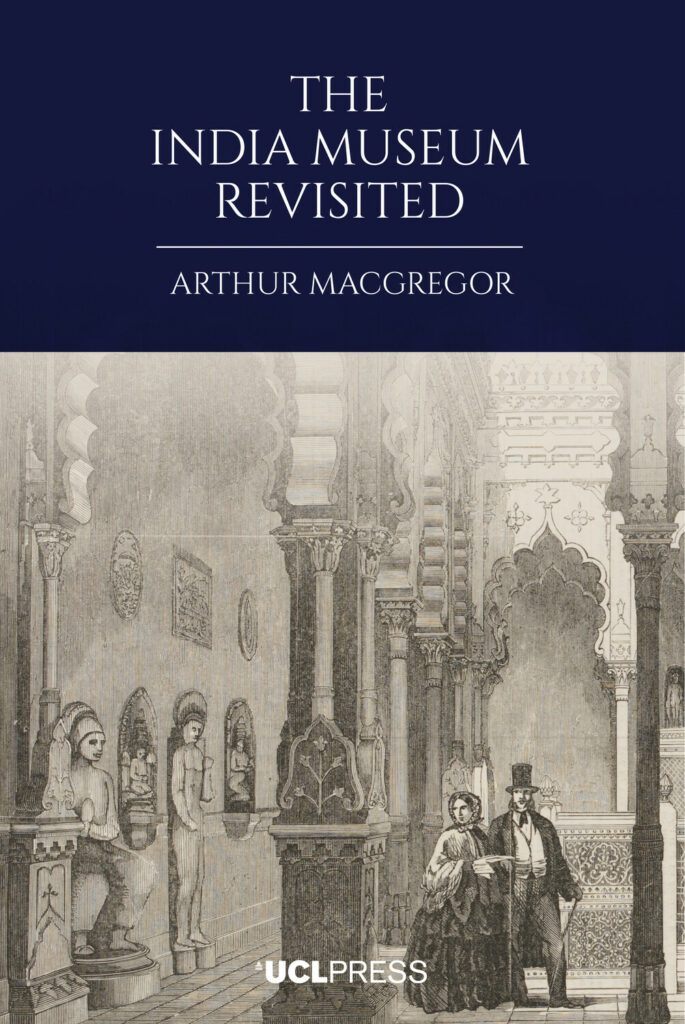
The India Museum Revisited

The museum of the East India Company formed, for a large part of the nineteenth century, one of the sights of London. In recent years, little has been remembered of it beyond its mere existence, while an assumed negative role has been widely attributed to it on the basis of its position at the heart of one of Britain’s arch-colonialist enterprises.

Extensively illustrated, The India Museum Revisited provides a full examination of the museum’s founding manifesto and evolving ambitions. It surveys the contents of its multi-faceted collections – with respect to materials, their manufacture and original functions on the Indian sub-continent – as well as the collectors who gathered them and the manner in which they were mobilized to various ends within the museum.

From this integrated treatment of documentary and material sources, a more accurate, rounded and nuanced picture emerges of an institution that contributed in major ways, over a period of 80 years, to the representation of India for a European audience, not only in Britain but through the museum’s involvement in the international exposition movement to audiences on the continent and beyond.
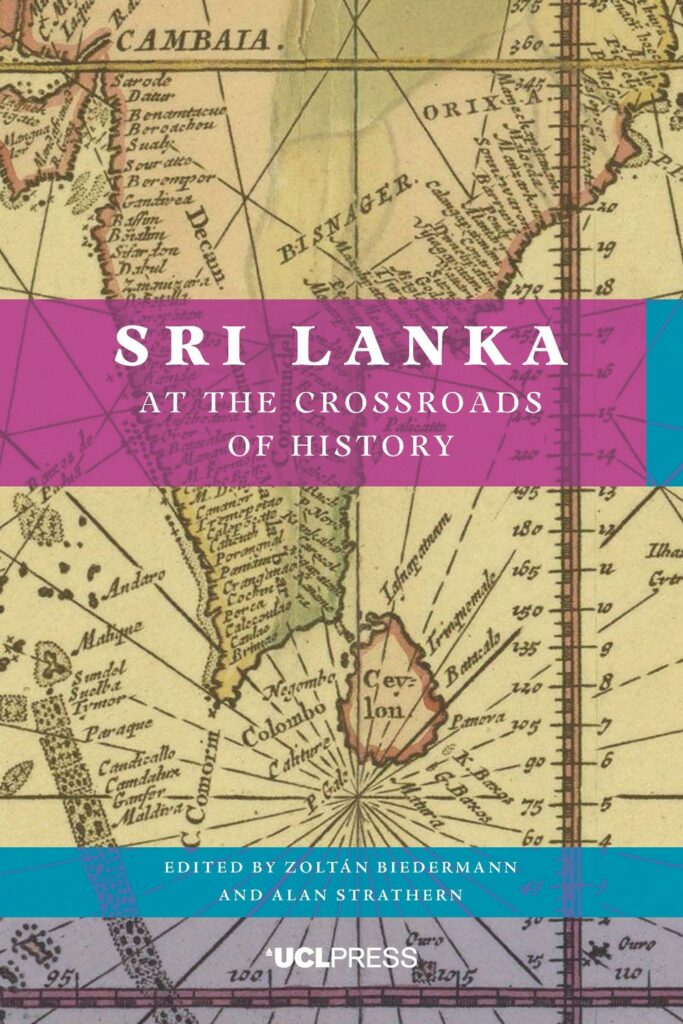
Sri Lanka at the Crossroads of History

The peoples of Sri Lanka have participated in far-flung trading networks, religious formations, and Asian and European empires for millennia. This interdisciplinary volume sets out to draw Sri Lanka into the field of Asian and Global History by showing how the latest wave of scholarship has explored the island as a ‘crossroads’, a place defined by its openness to movement across the Indian Ocean.

Experts in the history, archaeology, literature and art of the island from c.500 BCE to c.1850 CE use Lankan material to explore a number of pressing scholarly debates. They address these matters from their varied disciplinary perspectives and diverse array of sources, critically assessing concepts such as ethnicity, cosmopolitanism and localisation, and elucidating the subtle ways in which the foreign may be resisted and embraced at the same time. The individual chapters, and the volume as a whole, are a welcome addition to the history and historiography of Sri Lanka, as well as studies of the Indian Ocean region, kingship, colonialism, imperialism, and early modernity.

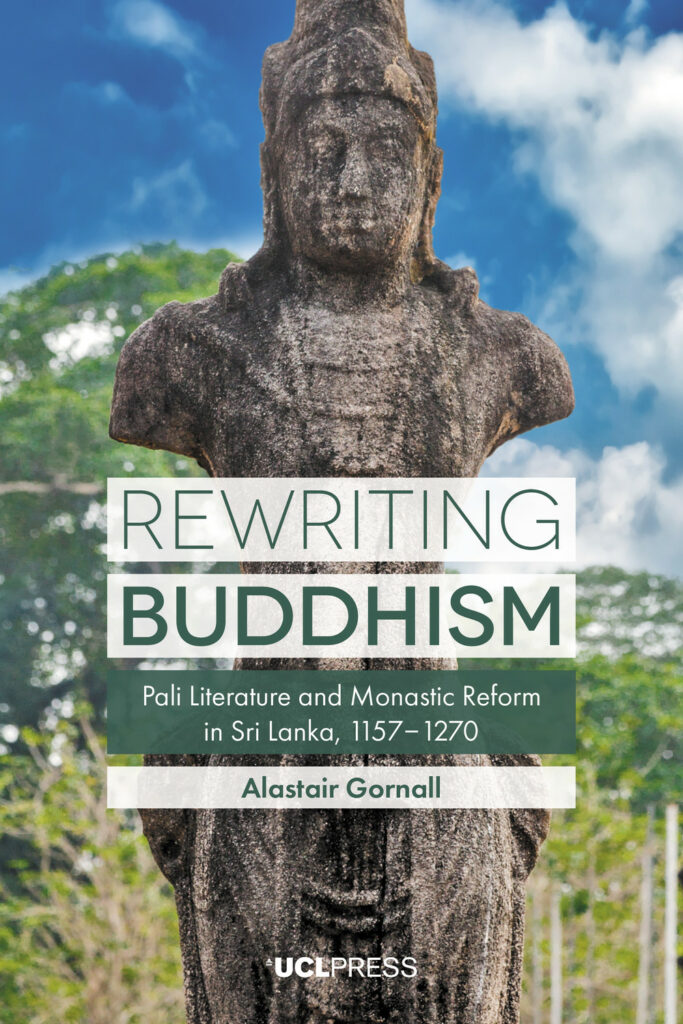
Rewriting Buddhism

Rewriting Buddhism is the first intellectual history of premodern Sri Lanka’s most culturally productive period. This era of reform (1157–1270) shaped the nature of Theravada Buddhism both in Sri Lanka and also Southeast Asia and even today continues to define monastic intellectual life in the region.

Alastair Gornall argues that the long century’s literary productivity was not born of political stability, as is often thought, but rather of the social, economic and political chaos brought about by invasions and civil wars. Faced with unprecedented uncertainty, the monastic community sought greater political autonomy, styled itself as royal court, and undertook a series of reforms, most notably, a purification and unification in 1165 during the reign of Parakramabahu I. He describes how central to the process of reform was the production of new forms of Pali literature, which helped create a new conceptual and social coherence within the reformed community; one that served to preserve and protect their religious tradition while also expanding its reach among the more fragmented and localized elites of the period.

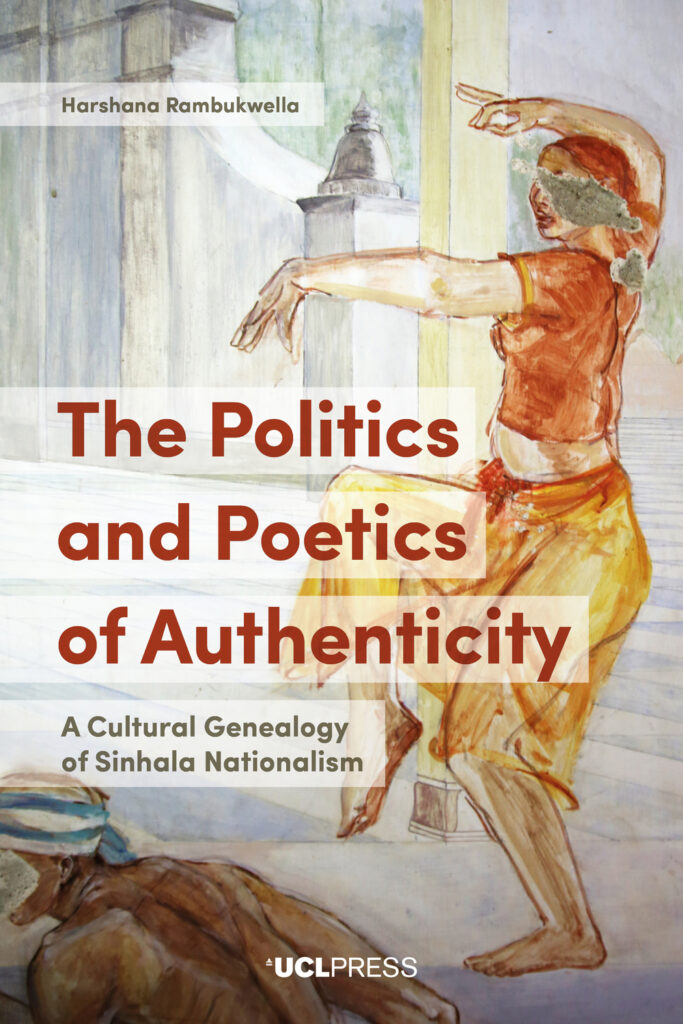
The Politics and Poetics of Authenticity

What is the role of cultural authenticity in the making of nations? Much scholarly and popular commentary on nationalism dismisses authenticity as a romantic fantasy or, worse, a deliberately constructed mythology used for political manipulation. The Politics and Poetics of Authenticity places authenticity at the heart of Sinhala nationalism in late nineteenth and twentieth century Sri Lanka. It argues that the passion for the ‘real’ or the ‘authentic’ has played a significant role in shaping nationalist thinking and argues for an empathetic yet critical engagement with the idea of authenticity.

Through a series of fine-grained and historically grounded analyses of the writings of individual figures central to the making of Sinhala nationalist ideology the book demonstrates authenticity’s rich and varied presence in Sri Lankan public life and its key role in understanding post-colonial nationalism in Sri Lanka and elsewhere in South Asia and the world. It also explores how notions of authenticity shape certain strands of postcolonial criticism and offers a way of questioning the taken-for-granted nature of the nation as a unit of analysis but at the same time critically explore the deep imprint of nations and nationalisms on people lives.

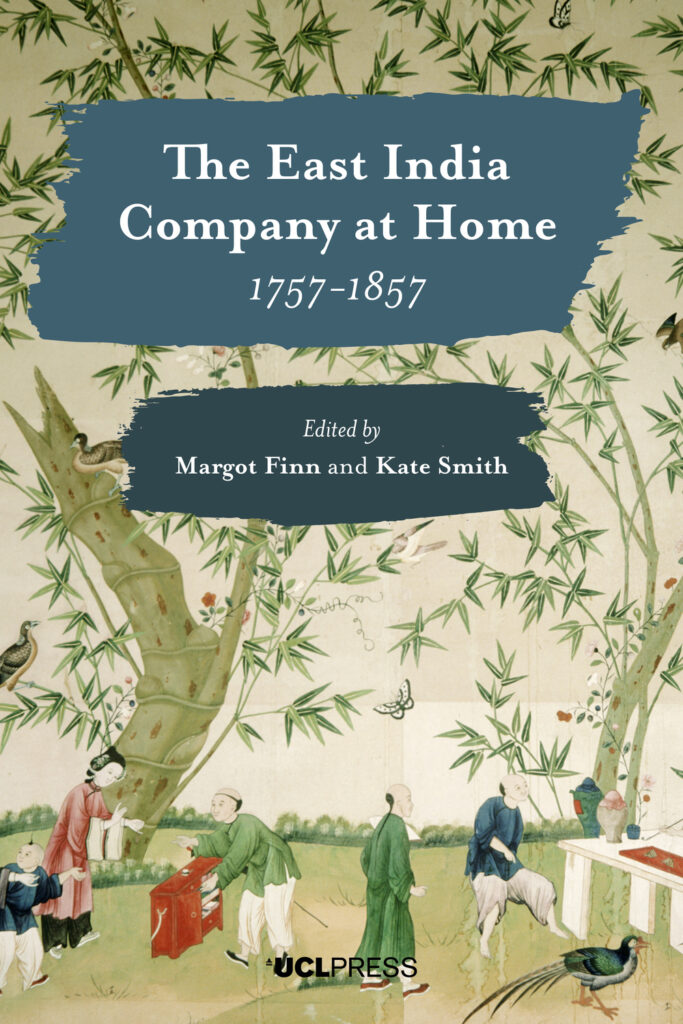
The East India Company at Home, 1757-1857

The East India Company at Home, 1757-1857 explores how empire in Asia shaped British country houses, their interiors and the lives of their residents. It includes chapters from researchers based in a wide range of settings such as archives and libraries, museums, heritage organisations, the community of family historians and universities. It moves beyond conventional academic narratives and makes an important contribution to ongoing debates around how empire impacted Britain.

The volume focuses on the propertied families of the East India Company at the height of Company rule. From the Battle of Plassey in 1757 to the outbreak of the Indian Uprising in 1857, objects, people and wealth flowed to Britain from Asia. As men in Company service increasingly shifted their activities from trade to military expansion and political administration, a new population of civil servants, army officers, surveyors and surgeons journeyed to India to make their fortunes. These Company men and their families acquired wealth, tastes and identities in India, which travelled home with them to Britain. Their stories, the biographies of their Indian possessions and the narratives of the stately homes in Britain that came to house them, frame our explorations of imperial culture and its British legacies.

Sign up to our newsletter

Don't miss out!
Subscribe to the UCL Press newsletter for the latest open access books,
journal CfPs, news and views from our authors and much more!