We are currently upgrading our shopping cart; in the interim all orders are being diverted to Waterstones. If you would like to redeem a promotional code, or are an author wanting to place an order, please email us.

Contact us

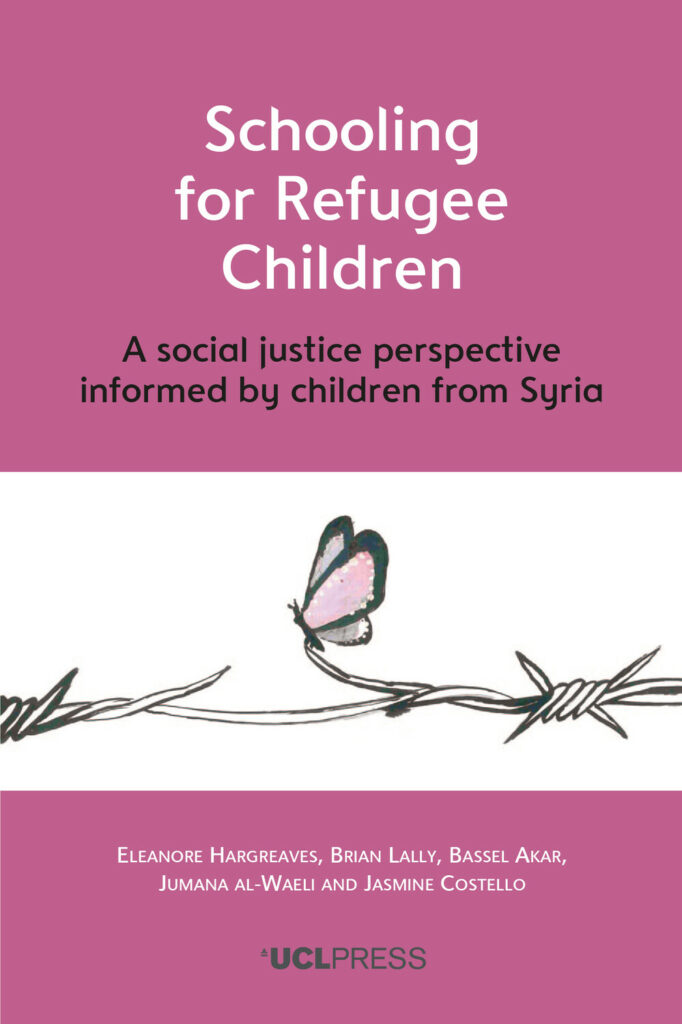
Schooling for Refugee Children

Schooling for Refugee Children is a collaboration between five authors who explore their interactions with refugee children displaced from Syria to the Lebanese borders and London. Through a programme of carefully tailored research activities, they analyse the children’s representations of their personal journeys and current circumstances, especially with regard to ongoing schooling. The children’s experiences are expressed through their own words and drawings, disrupting the stereotype of children as ‘receivers’ rather than empowered actors, and challenging traditional solutions for improving schooling. Throughout, the children are eloquent about their schooling in the context of displacement. Their views and illustrations depict a keen awareness of social justice issues, including on the distribution of wealth, recognition of status and representation of voice. These are framed by the authors within Nancy Fraser’s concept of social justice as parity-of-participation. In this way, the book brings to light important representations of some empowering experiences lived through by refugee children from Syria, as well as their thoughts on what has helped their learning and what can be done better. The children’s need for care and a sense of belonging in their schools and new communities is given particular emphasis throughout the book, represented by one child, who simply requested, ‘Add some more love!’
Rethinking Class Size

The debate over whether class size matters for teaching and learning is one of the most enduring, and aggressive, in education research. Teachers often insist that small classes benefit their work. But many experts argue that evidence from research shows class size has little impact on pupil outcomes, so does not matter, and this dominant view has informed policymaking internationally. Here, the lead researchers on the world’s biggest study into class size effects present a counter-argument. Through detailed analysis of the complex relations involved in the classroom they reveal the mechanisms that support teachers’ experience, and conclude that class size matters very much indeed.

Drawing on 20 years of systematic classroom observations, surveys of practitioners, detailed case studies and extensive reviews of research, Peter Blatchford and Anthony Russell contend that common ways of researching the impact of class size are limited and sometimes misguided. While class size may have no direct effect on pupil outcomes, it has, they say, significant force through interconnections with classroom processes. In describing these connections, the book opens up the everyday world of the classroom and shows that the influence of class size is everywhere. It impacts on teaching, grouping practices and classroom management, the quality of peer relations, tasks given to pupils, and on the time teachers have for marking, assessments and understanding the strengths and challenges for individual pupils. From their analysis, the authors develop a new social pedagogical model of how class size influences work, and identify policy conclusions and implications for teachers and schools.

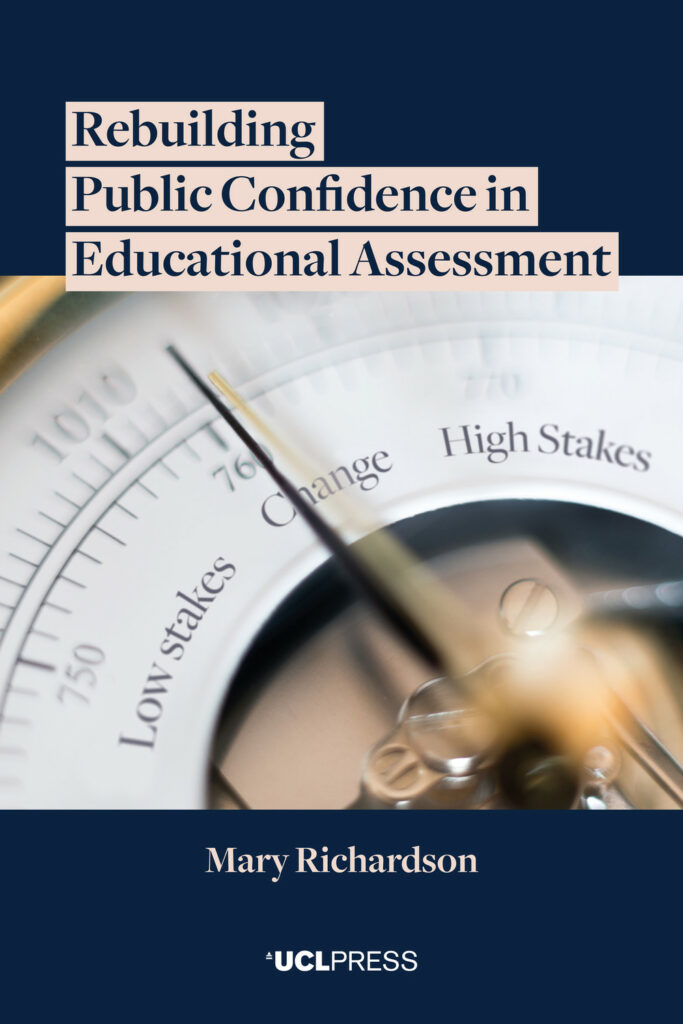
Rebuilding Public Confidence in Educational Assessment

Educational assessment is important. But in the twenty-first century it is easy to feel that schooling and other phases of education are shaped entirely by certain assessments, and that assessment is only about exam results. The idea that test grades can accurately describe the aims and outcomes of education is unfair and reductive. Yet it is a pervasive and persuasive discourse. This book is about such discourses – the stories we tell each other – and how they impact public trust and confidence in educational assessment. It explains the roots and nature of assessment discourses, and proposes a restructuring of the debates in order to rebuild public confidence. It aims to challenge dominant assessment discourses and demands a more nuanced, informed debate about what happens in and beyond schools, and how this influences public thinking.

Questioning the status quo needs buy-in from policymakers, teachers, parents and students, and from the broader public: from journalists, you, me, our friends and our children. Using examples from international settings to explore the nature of trust in assessment discourses, Rebuilding Public Confidence in Educational Assessment shows how these discourses can be reframed so that all aspects of the assessment system – policymaking, school planning, home practice with students – can be undertaken with confidence.

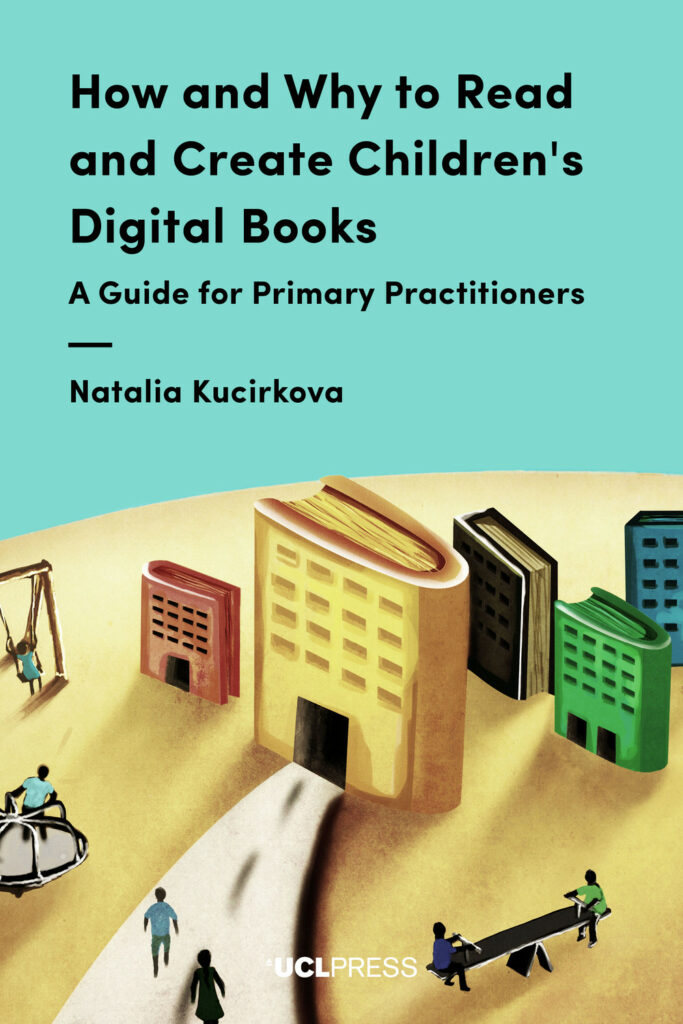
How and Why to Read and Create Children’s Digital Books

How and Why to Read and Create Children’s Digital Books outlines effective ways of using digital books in early years and primary classrooms, and specifies the educational potential of using digital books and apps in physical spaces and virtual communities. With a particular focus on apps and personalized reading, Natalia Kucirkova combines theory and practice to argue that personalized reading is only truly personalized when it is created or co-created by reading communities.

Divided into two parts, Part I suggests criteria to evaluate the educational quality of digital books and practical strategies for their use in the classroom. Specific attention is paid to the ways in which digital books can support individual children’s strengths and difficulties, digital literacies, language and communication skills. Part II explores digital books created by children, their caregivers, teachers and librarians, and Kucirkova also offers insights into how smart toys, tangibles and augmented/virtual reality tools can enrich children’s reading for pleasure.

How and Why to Read and Create Children’s Digital Books is of interest to an international readership ranging from trainee or established teachers to MA level students and researchers, as well as designers, librarians and publishers. All are inspired to approach children’s reading on and with screens with an agentic perspective of creating and sharing.

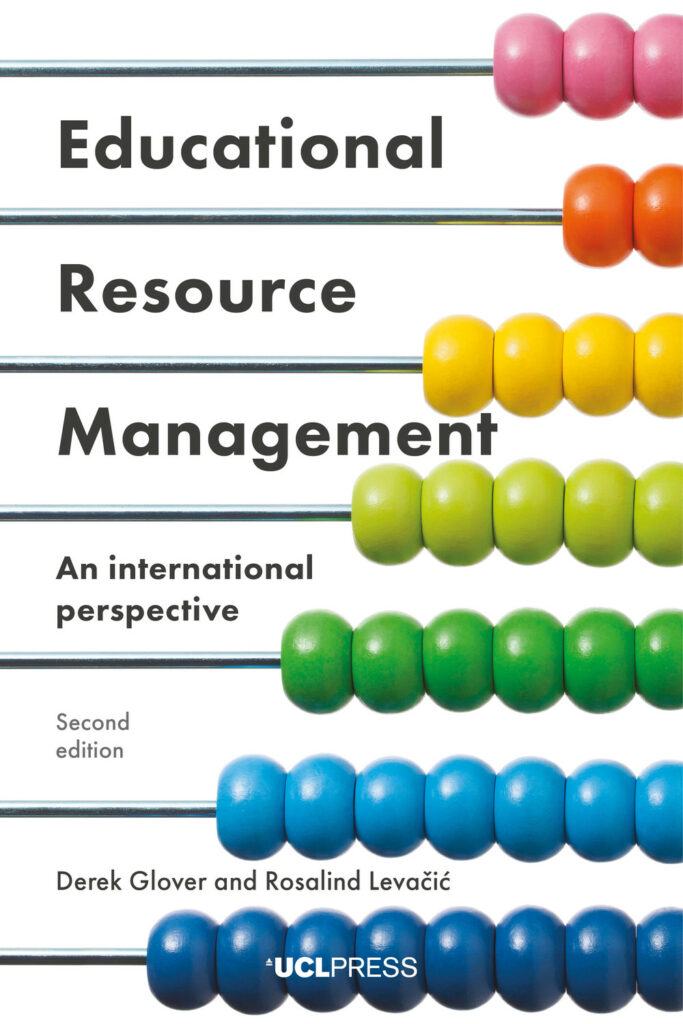
Educational Resource Management

The management of resources is a central duty for school and college leaders, but one for which they are often under-prepared. Good, contextual information and guidance are vital, especially as increased marketisation, international comparison and decentralised governance put additional pressure on leaders to manage their resources astutely. This second edition of Educational Resource Management: An International Perspective is an updated guide to all aspects of this key responsibility and how they are applied in today’s real-world situations across the globe.

Following a detailed overview of funding and resource management in public and private provision, the book looks at the criteria by which the effectiveness, efficiency and equity of the management of educational resources may be judged. It goes on to explore cost structures, budgets and the principles of asset management, all illustrated through case studies that draw on practitioner experiences and the authors’ observations in a range of national contexts. Concluding with a review of current tensions in educational resource management and pointers towards further study, the book is a succinct yet comprehensive guide for school and college leaders. It will be essential reading for those studying the subject as part of Masters and Professional Doctorate qualifications.

Creativity in Education

Creativity has become a buzzword across all disciplines in education and across all phases, from early years through to tertiary education. Although the meaning of creativity can change vastly depending on the global educational setting, it is impossible to ignore the applicability and relevance of creativity as an educational tool, philosophical framework and pedagogical approach.

Through case studies of creativity in varying settings and diverse contexts, this collection explores the ground-breaking work undertaken internationally to support, develop and future-proof learners with, and for, creativity. The chapters are centred around a practice based enquiry or other forms of empirical research. This provides the scholarly basis upon which creativity is continuously reconceptualised and redefined in the educational and country-specific context of each study. Contributors from different countries then provide critical, reflective and analytical responses to each chapter. These conversational responses focus further on international education perspectives and provide a dialogue for educators into how methods and approaches can be transferred, translated and contextually mediated for different environments. Through the case studies and responses, Creativity in Education provides practical insights for application in a wide range of educational settings and contexts, such as the use of art exhibitions and object-work, as well as more philosophical approaches to teacher education, leadership for learning and creativity as a universal phenomenon.

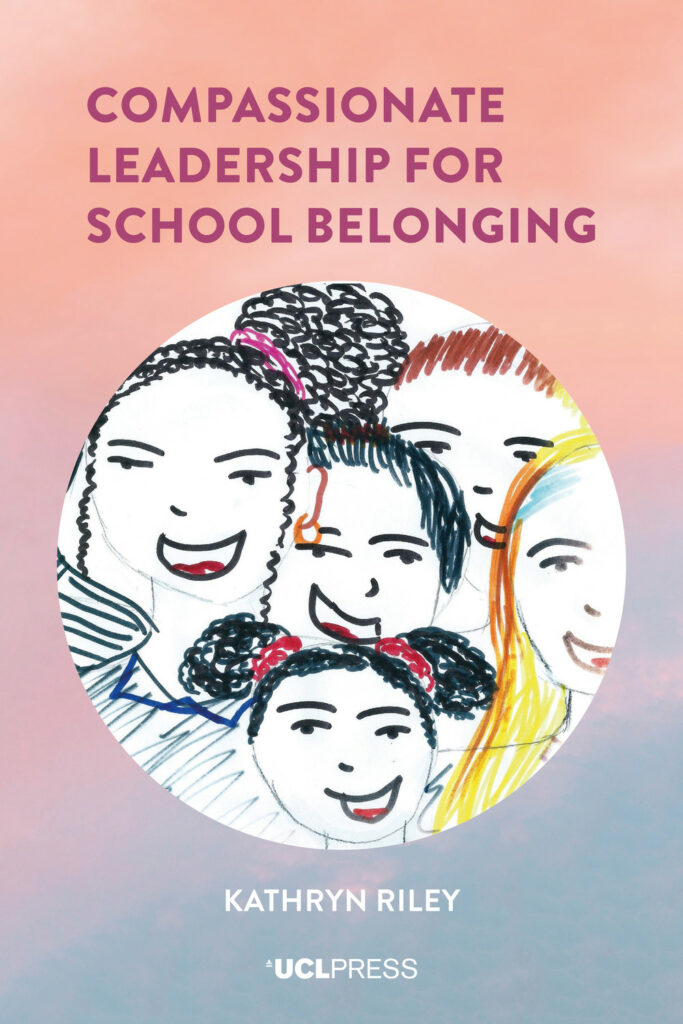
Compassionate Leadership for School Belonging

In Compassionate Leadership for School Belonging, international scholar and practitioner Kathryn Riley shines the powerful lens of belonging on schools. Belonging is that sense of being somewhere you can be confident you will fit in and feel safe in your identity: a feeling of being at home in a place.

When belonging is a school’s guiding principle more young people at all levels experience a sense of connectedness and friendship, perform better academically, and come to believe in themselves; their teachers feel more professionally fulfilled, their families more accepted.

The originality of this highly readable book lies in its scope. It offers international analysis from the OECD, alongside insights from the author’s extensive research in schools, powerfully supported by observational vignettes and drawings from the children, young people and teachers who have been her co-researchers. This exploration is supported by methodologies, concepts and research tools for use by practitioners, researchers and school leaders.

While contemporary patterns of dislocation, disaffection and exclusion are revealed, the spotlight is firmly on what needs to change and how: the purposeful actions in classrooms and schools; the approaches at system level; and the compassionate forms of leadership that can help create the conditions for school belonging.

In an increasingly uncertain world, this is an urgent book of hope and possibilities.

Sign up to our newsletter

Don't miss out!
Subscribe to the UCL Press newsletter for the latest open access books,
journal CfPs, news and views from our authors and much more!