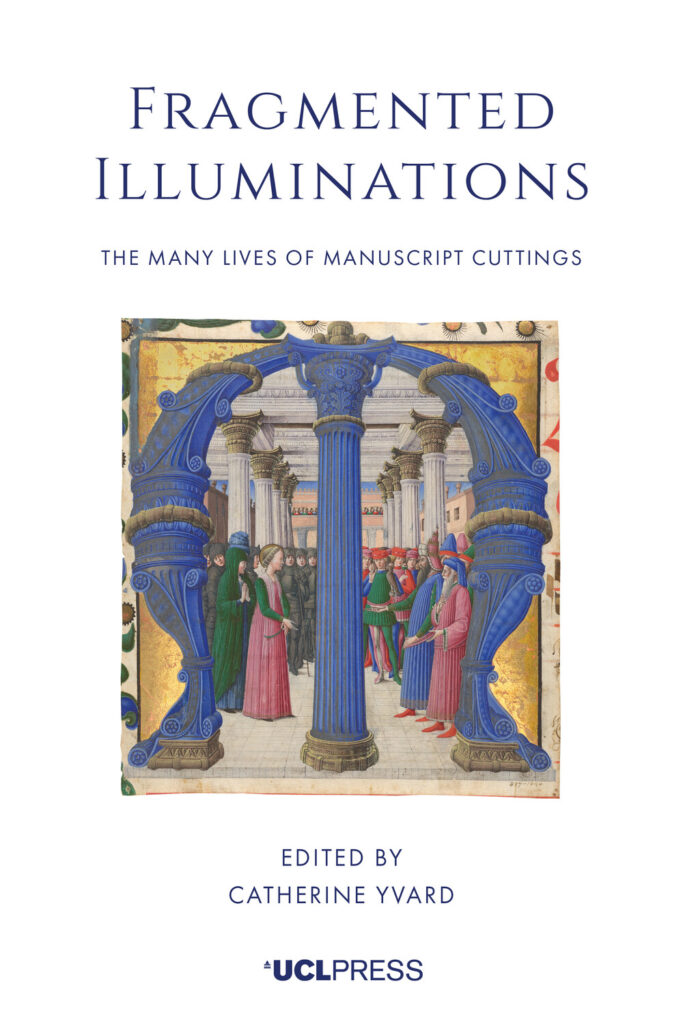
Fragmented Illuminations

Sweeping secularisation of Catholic Church property across Europe in the late 18th and early 19th centuries brought countless medieval and Renaissance manuscripts into private hands. While the text of these books was often obsolete, their jewel-like illuminations appealed to collectors and the market for single leaves, miniatures, initials or ornamented borders cut out of illuminated manuscripts took off in the mid-1820s. Today, thousands of manuscript cuttings can be found in collections around the world: a global jigsaw.

With over 2,000 examples, the V&A has one of the largest collections of this kind, originally assembled to form a visual sourcebook for contemporary artists and craftspeople. Using this collection as a guiding thread, Fragmented Illuminations seeks to contextualise cuttings and chart their changing meanings and functions from the time of their making to their unexpected afterlives in the hands of private collectors and Europe’s museums of applied arts. To complete the picture, new interdisciplinary research revives the books they came from, alongside the artists and patrons involved in their making. In sum, the book demonstrates how these complex objects can only be understood by mobilising knowledge from many disciplines, including art history, codicology, liturgiology, musicology, and provenance research.
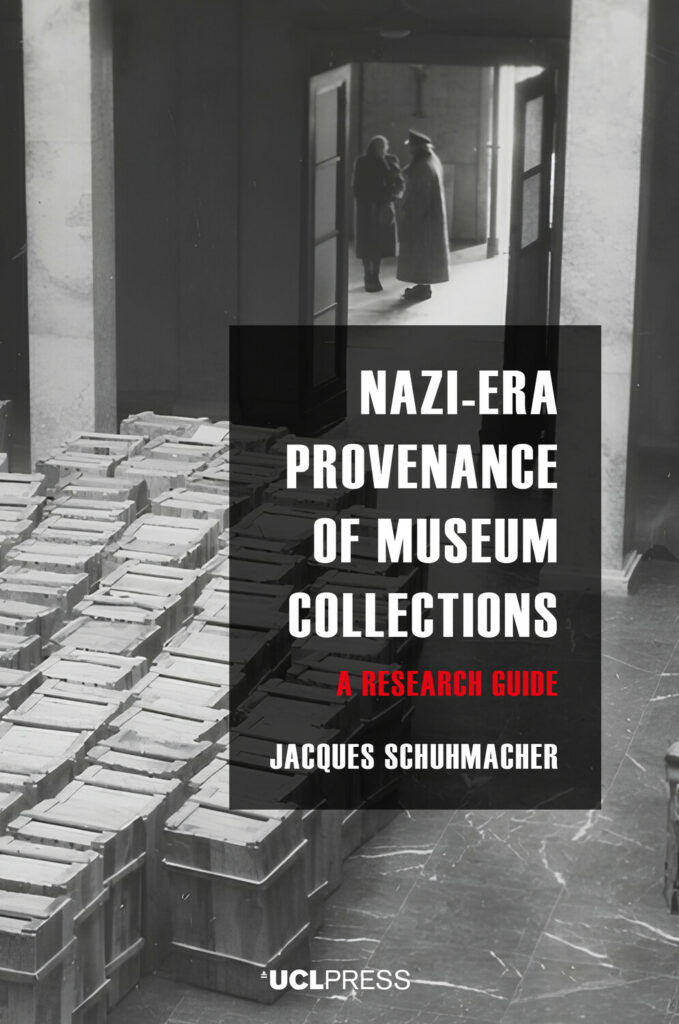
Nazi-Era Provenance of Museum Collections

When we look at the artworks on display in museums, there is always a real possibility that some of these objects once belonged to victims of the Nazis – a possibility that has remained unacknowledged for far too long. Countless artworks were seized or forcibly sold, with many ending up in museum collections around the world, even in countries which actively fought to defeat Nazi Germany.

Nazi-Era Provenance of Museum Collections equips readers with the knowledge and strategies essential for confronting the shadow of the Nazi past in museum collections. Jacques Schuhmacher provides the vital historical orientation required to understand the Nazis’ complex campaign of systematic dispossession and extermination, and highlights the current environment in which museum-based Nazi-era provenance research takes place.

This book introduces readers to the research methods and resources that can be used to reveal the moving stories behind the objects, highlighting the absorbing work of provenance researchers as it plays out in practice.

Provenance research not only seeks to recover erased names and experiences and to reinsert them into a historical record, but also to ensure that the Nazis’ actions and worldview do not remain unchallenged in the galleries and storerooms of our museums today.

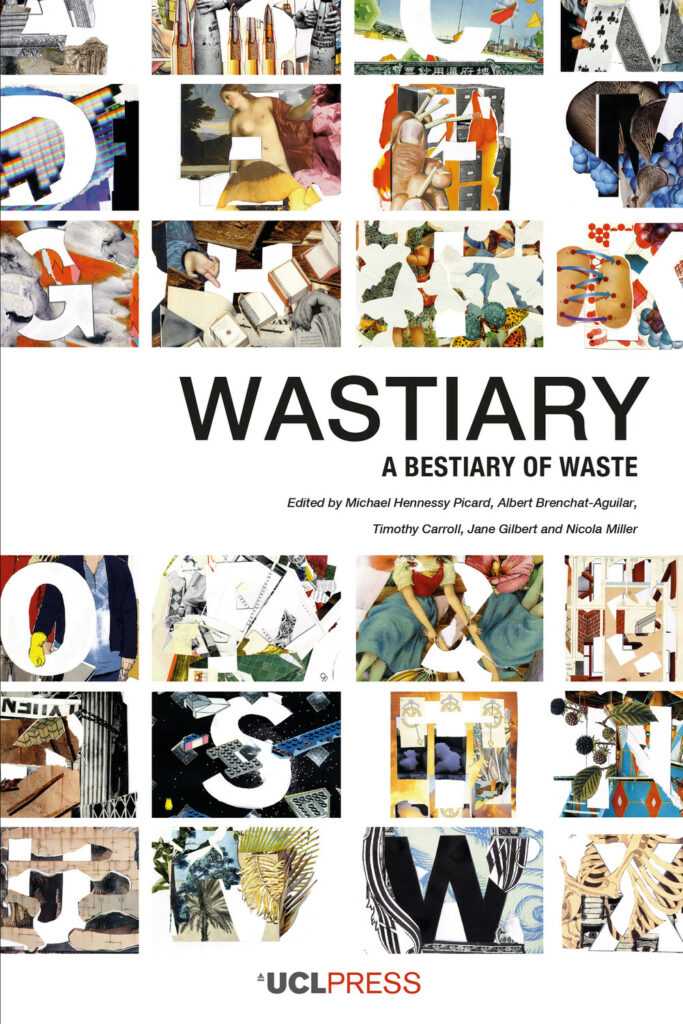
Wastiary

Wastiary, or Bestiary of Waste, is a creative exercise that occupies letters, numbers, and symbols of Western academic language to compose a list of 35 short entries on the uncomfortable but pressing topic of waste in the contemporary world. The collection is richly illustrated with artwork, photography, collage and mixed media.
The book is a heterodox compendium of ‘beasts of waste’, playfully re-imagining the medieval treatise on various kinds of animal. It conveys the message that various forms of waste and pollution have achieved a beast-like or untameable quality, at times pungently transferring to considerations of ‘the human’, or humans treated as waste.

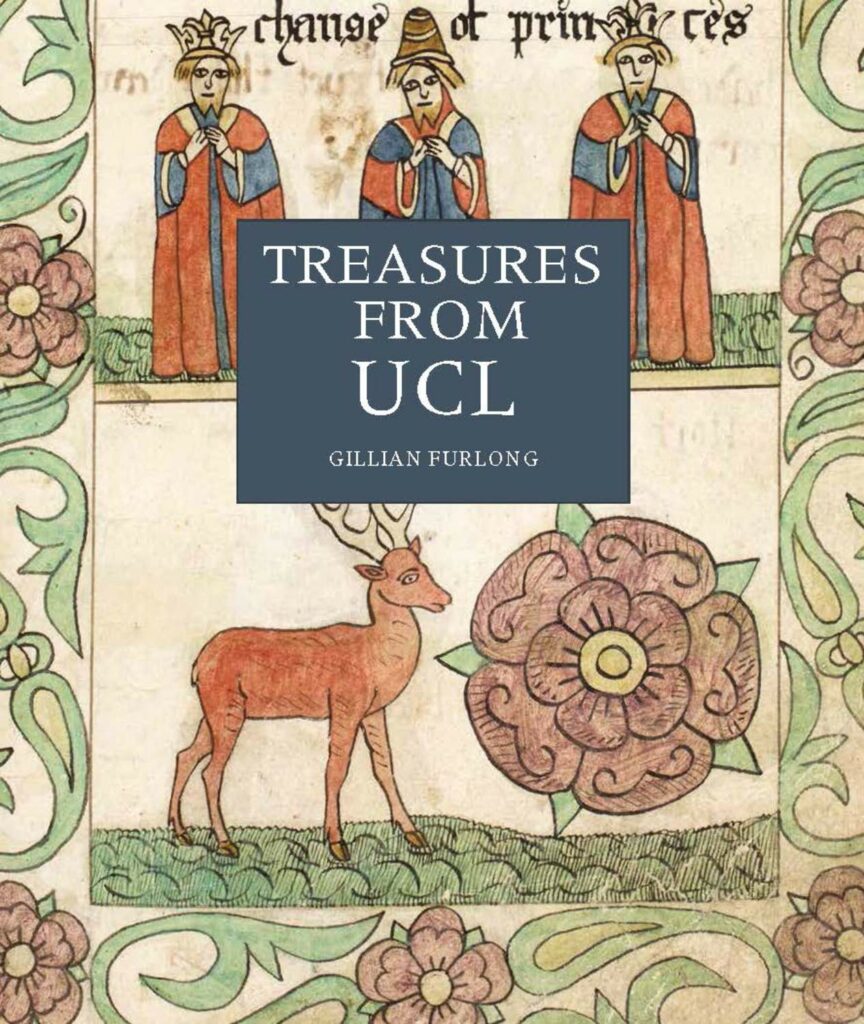
Treasures from UCL

UCL has one of the foremost university Special Collections in the UK. It is a treasure trove of national and international importance, comprising over a million items dating from the 4th-century AD to the present day. Treasures from UCL draws together detailed descriptions and images of 70 of the most prized items. Between the magnificent illuminated Latin Bible of the 13th-century and the personal items of one of the 20th-century’s greatest writers, George Orwell, the many highlights of this remarkable collection will delight and intrigue anyone who picks up this book.

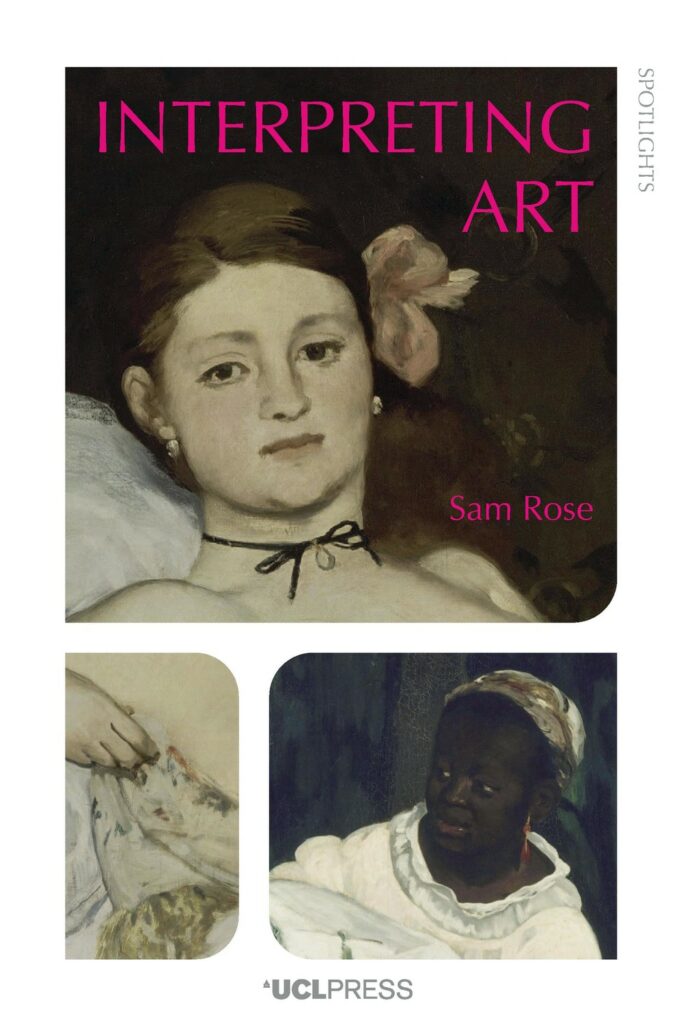
Interpreting Art

How do people make sense of works of art? And how do they write to make others see the same way? There are many guides to looking at art, histories of art history and art criticism, and accounts of various ‘theories’ and ‘methods’, but this book offers something very unlike the normal search for difference and division: it examines the general and largely unspoken norms shared by interpreters of many kinds.

Ranging widely, though taking writing within the Western tradition of art history as its primary focus, Interpreting Art highlights the norms, premises, and patterns that tend to guide interpretation along the way. Why, for example, is the concept of artistic ‘intention’ at once so reviled and yet so hard to let go of? What does it really involve when an interpretation appeals to an artwork’s ‘reception’? How can ‘context’ be used by some to keep things under control and by others to make the interpretation of art seem limitless? And how is it that artworks only seem to grow in complexity over time?

Interpreting Art reveals subtle features of art writing central to the often unnoticed interpretative practices through which we understand works of art. In doing so, the book also sheds light on possible alternatives, pointing to how writers on art might choose to operate differently in the future.

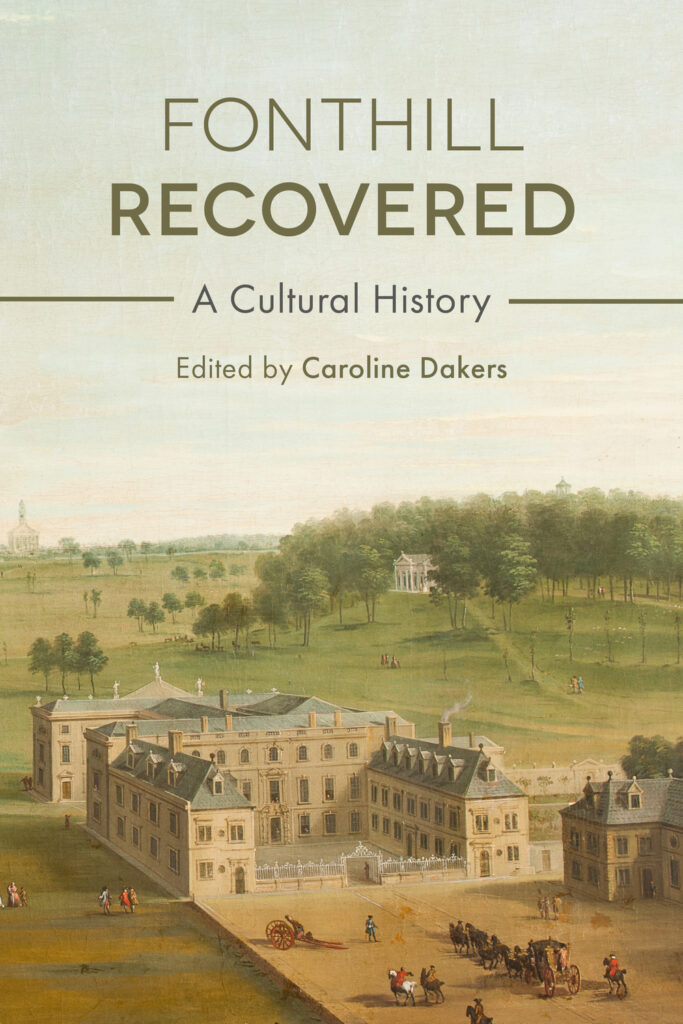
Fonthill Recovered

Fonthill, in Wiltshire, is traditionally associated with the writer and collector William Beckford who built his Gothic fantasy house called Fonthill Abbey at the end of the eighteenth century. The collapse of the Abbey’s tower in 1825 transformed the name Fonthill into a symbol for overarching ambition and folly, a sublime ruin. Fonthill is, however, much more than the story of one man’s excesses. Beckford’s Abbey is only one of several important houses to be built on the estate since the early sixteenth century, all of them eventually consumed by fire or deliberately demolished, and all of them oddly forgotten by historians. Little now remains: a tower, a stable block, a kitchen range, some dressed stone, an indentation in a field.

Fonthill Recovered draws on histories of art and architecture, politics and economics to explore the rich cultural history of this famous Wiltshire estate. The first half of the book traces the occupation of Fonthill from the Bronze Age to the twenty-first century. Some of the owners surpassed Beckford in terms of their wealth, their collections, their political power and even, in one case, their sexual misdemeanours. They include Charles I’s Chancellor of the Exchequer, and the richest commoner in the nineteenth century. The second half of the book consists of essays on specific topics, filling out such crucial areas as the complex history of the designed landscape, the sources of the Beckfords’ wealth and their collections, and one essay that features the most recent appearance of the Abbey in a video game.

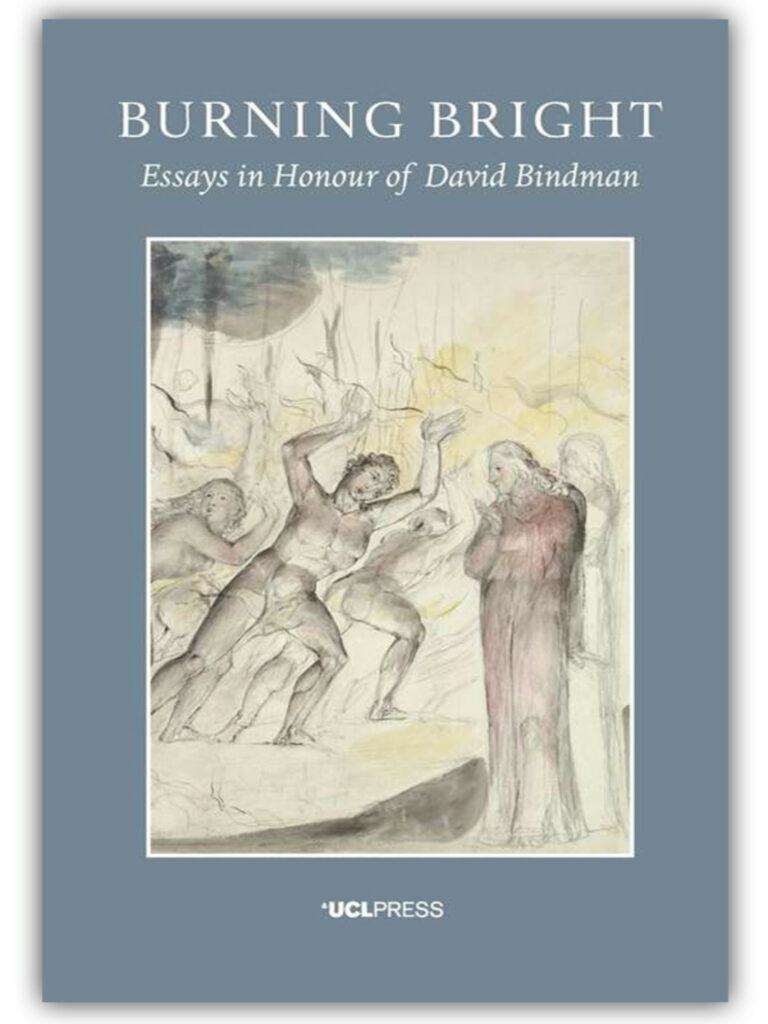
Burning Bright

This book celebrates the work and career of the internationally renowned art historian, David Bindman, on the occasion of his 75th birthday, and is above all a tribute to him from his former students and colleagues.

With essays on sculpture, drawings, watercolours and prints, the volume reflects the extraordinary range of Bindman’s knowledge of works of art and his impact through his teaching and research on the understanding of British and European artistic developments from the eighteenth to the twentieth century. The essays cast light on questions of technique and stylistic change, patronage, collecting and iconography, and engage with issues such as the representation of race, gender, sexuality, political violence and propaganda, exile, and notions of the canon. The artists discussed here include Hogarth, Blake, Roubiliac, Thorvaldsen and Canova, all subjects of books by David Bindman, as well as Morland, Rowlandson, Gillray, Millais, Munch, Nevinson, and Heartfield.

Sign up to our newsletter

Don't miss out!
Subscribe to the UCL Press newsletter for the latest open access books,
journal CfPs, news and views from our authors and much more!