We are currently upgrading our shopping cart; in the interim all orders are being diverted to Waterstones. If you would like to redeem a promotional code, or are an author wanting to place an order, please email us.

Contact us

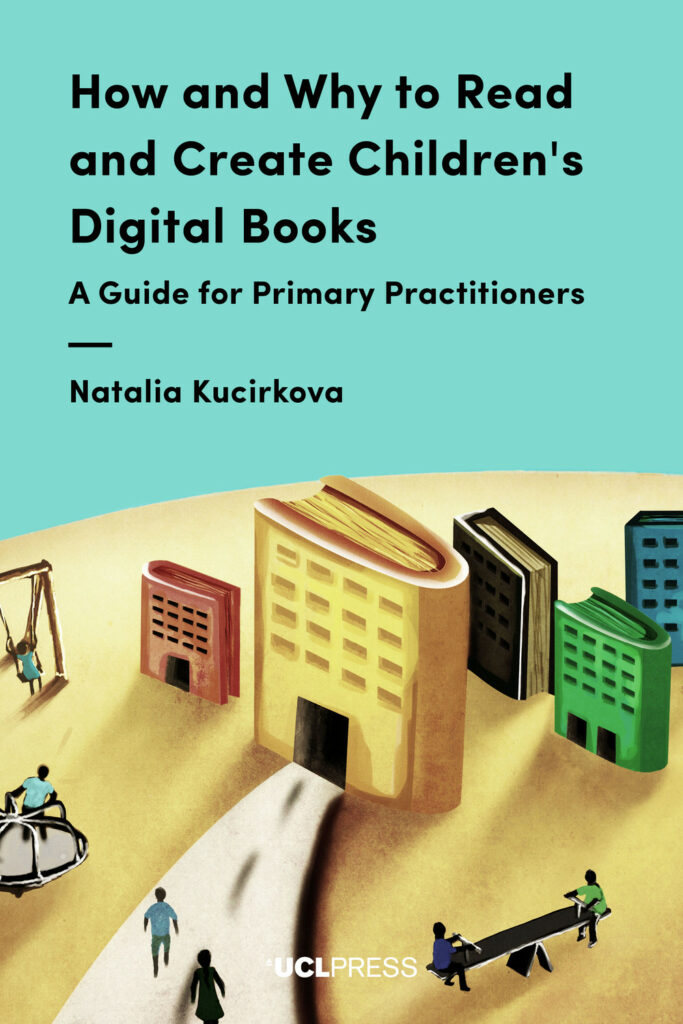
How and Why to Read and Create Children’s Digital Books

How and Why to Read and Create Children’s Digital Books outlines effective ways of using digital books in early years and primary classrooms, and specifies the educational potential of using digital books and apps in physical spaces and virtual communities. With a particular focus on apps and personalized reading, Natalia Kucirkova combines theory and practice to argue that personalized reading is only truly personalized when it is created or co-created by reading communities.

Divided into two parts, Part I suggests criteria to evaluate the educational quality of digital books and practical strategies for their use in the classroom. Specific attention is paid to the ways in which digital books can support individual children’s strengths and difficulties, digital literacies, language and communication skills. Part II explores digital books created by children, their caregivers, teachers and librarians, and Kucirkova also offers insights into how smart toys, tangibles and augmented/virtual reality tools can enrich children’s reading for pleasure.

How and Why to Read and Create Children’s Digital Books is of interest to an international readership ranging from trainee or established teachers to MA level students and researchers, as well as designers, librarians and publishers. All are inspired to approach children’s reading on and with screens with an agentic perspective of creating and sharing.
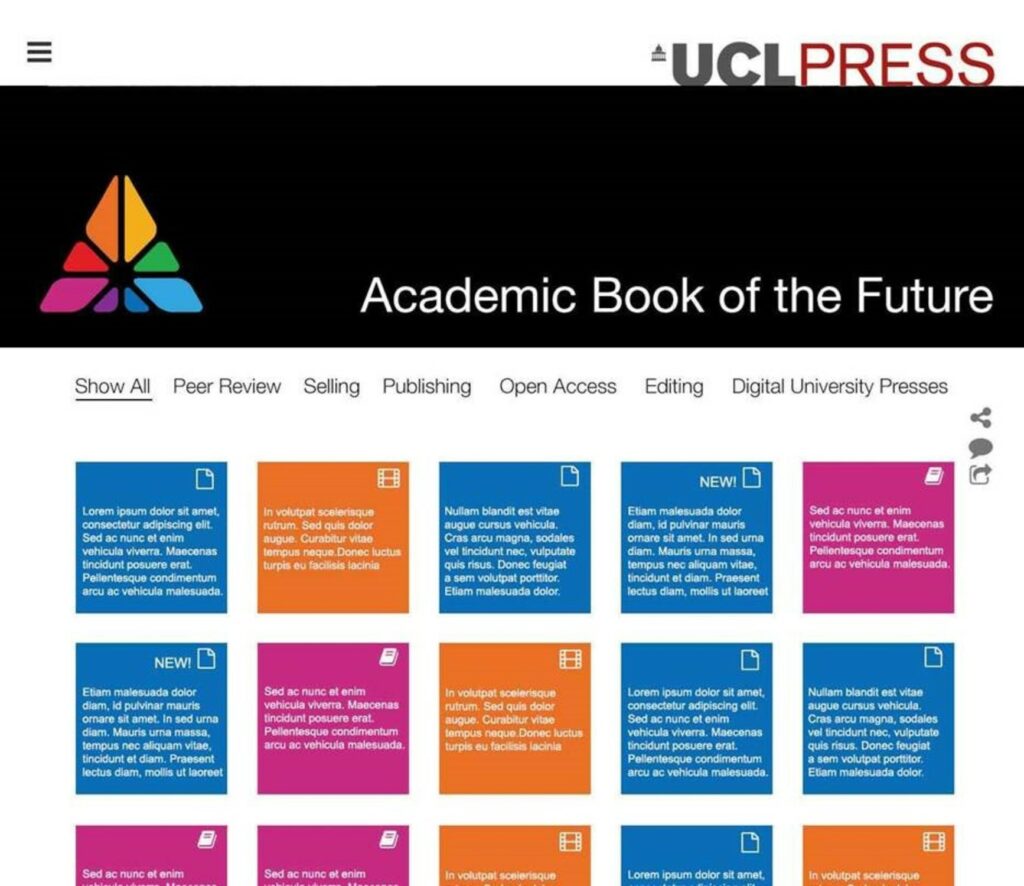
Academic Book of the Future

This dynamic, innovative, evolving and open platform will publish contributions connected to the AHRC/British Library project, The Academic Book of the Future, which has been investigating key aspects of scholarly publishing for the last two years, led by a team of academics from UCL and Kings College London. The platform, which presents the content in the form of a BOOC (Books as Open Online Content), will grow during 2016 as more content is created, and will allow different ways to explore and share the ideas and discussions.

Authors from all areas of the academic, publishing, bookselling and library communities discuss aspects of scholarly books and their possible futures: for example, the role of the editor, peer review, academic bookshops and libraries, open access, digital publishing and technology. The content – in a range of peer-reviewed formats including videos, blogs, chapters and reports – presents a fascinating variety of insights into the constantly evolving contexts of the academic book and will be of interest to anyone working in the HE sector and the publishing industry, and, indeed, to anyone interested in how ideas are disseminated to a wider general audience.

Sign up to our newsletter

Don't miss out!
Subscribe to the UCL Press newsletter for the latest open access books,
journal CfPs, news and views from our authors and much more!