We are currently upgrading our shopping cart; in the interim all orders are being diverted to Waterstones. If you would like to redeem a promotional code, or are an author wanting to place an order, please email us.

Contact us

American Cities in Post-Apocalyptic Science Fiction

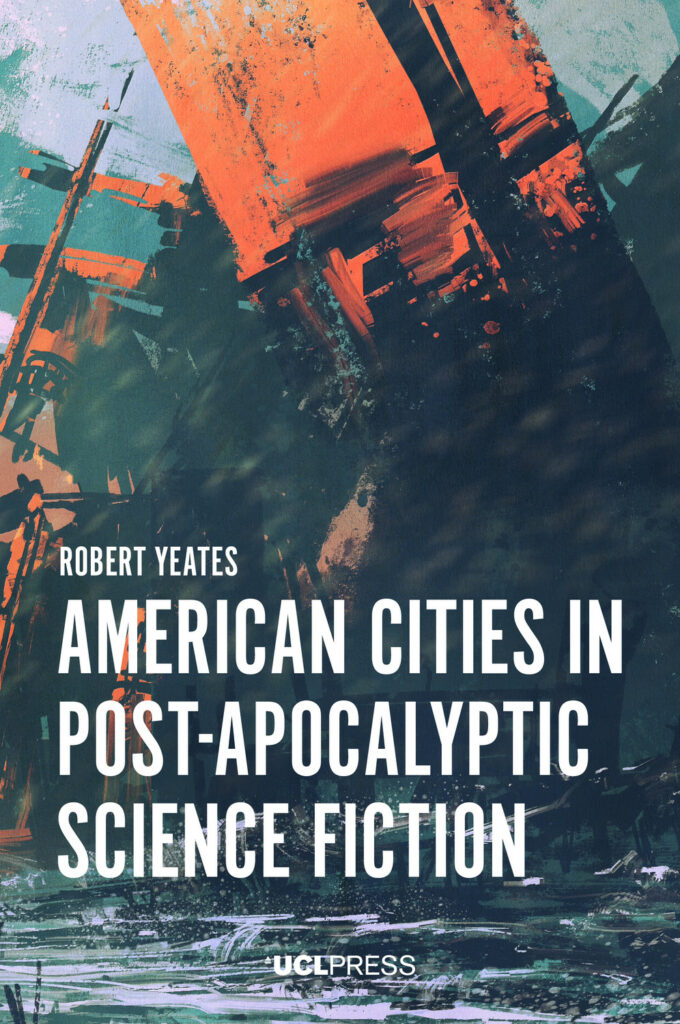
Visions of the American city in post-apocalyptic ruin permeate literary and popular fiction, across print, visual, audio and digital media. American Cities in Post-Apocalyptic Science Fiction explores the prevalence of these representations in American culture, drawing from a wide range of primary and critical works from the early-twentieth century to today.

Beginning with science fiction in literary magazines, before taking in radio dramas, film, video games and expansive transmedia franchises, Robert Yeates argues that post-apocalyptic representations of the American city are uniquely suited for explorations of contemporary urban issues. Examining how the post-apocalyptic American city has been repeatedly adapted and repurposed to new and developing media over the last century, this book reveals that the content and form of such texts work together to create vivid and immersive fictional spaces in ways that would otherwise not be possible. Chapters present media-specific analyses of these texts, situating them within their historical contexts and the broader history of representations of urban ruins in American fiction.

Original in its scope and cross-media approach, American Cities in Post-Apocalyptic Science Fiction both illuminates little-studied texts and provides provocative new readings of familiar works such as Blade Runner and The Walking Dead, placing them within the larger historical context of imaginings of the American city in ruins.

Walter Benjamin’s Ark

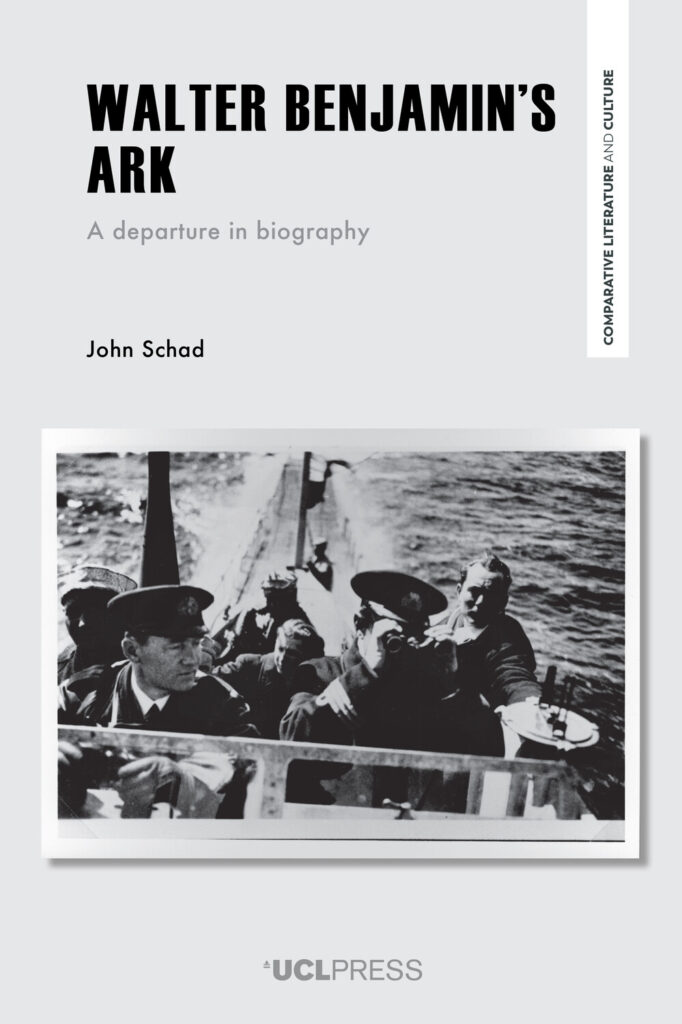
In July 1940, amidst fear of Nazi invasion, HMT Dunera left England. On board were a few British soldiers guarding over 2000 interned male Enemy Aliens, mostly Germans. Some of the internees were passionate Nazis, but most were Jewish refugees. Among them was Stefan Raphael Benjamin, the estranged child of the German-Jewish intellectual, Walter Benjamin.

Cue Walter Benjamin’s Ark which re-reads the life and work of Walter Benjamin via the curious life of his only child. The focal point is Stefan’s dramatic voyage from England to Australia in 1940, a voyage rich in intellectual suggestion, shared as it was with obscure men with famous names such as Wittgenstein, Kafka, Marx and Wilde. Central to the book is the one substantive text that can be ascribed to Stefan: Benjamin’s meticulous transcription of Stefan’s utterances as an infant. This fascinating text has been largely overlooked, despite the insistence of Benjamin’s biographers that ‘it continued to play a role in Walter Benjamin’s writing until the end of his life’. This book thus seeks not only to bring into view the intriguing figure that is Stefan but also to identify him as that most crucial of Benjaminian spectres, namely, the secret ‘you’ or addressee of Benjamin’s writings.
Sign up to our newsletter

Don't miss out!
Subscribe to the UCL Press newsletter for the latest open access books,
journal CfPs, news and views from our authors and much more!