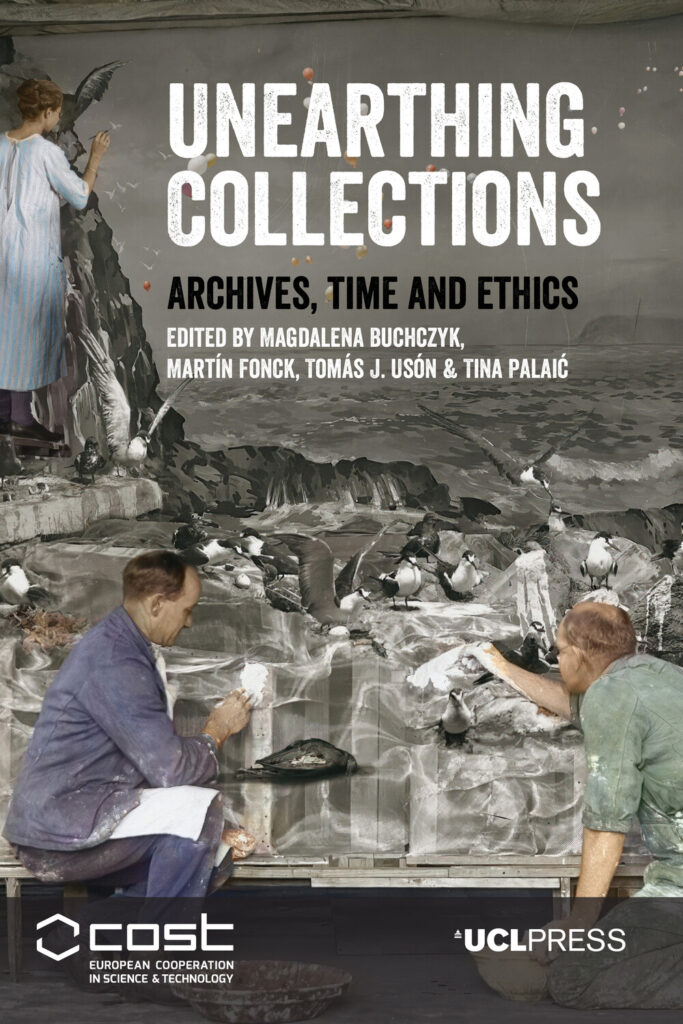
Unearthing Collections

Unearthing Collections invites readers to reconsider the ethics of collections and archives through the lens of temporality. Drawing on case studies that range from community protests over glacial sampling to the ethical dilemmas of housing human remains in museum collections and acquiring ephemeral political art, the authors interrogate the urgent challenges of collecting, displaying and preserving traces.

The book is framed around the concept of ‘unearthing’, the process of revealing hidden truths, excavating layers of history, and uncovering the unknown. It explores how the pursuit of knowledge often comes at the cost of displacement, exploitation, commodification, and the enduring legacies of imperialism and colonialism.

Alongside critique of the extractive practices that shaped many collections and archives, the book proposes a shift towards ‘re-earthing’, a practice that reconfigures how we understand and engage with knowledge about traces. As a critical approach, re-earthing acknowledges the messy, entangled nature of traces of the past, rejecting attempts to purify or control them in collections and archives, so they may evolve into new forms of knowledge. This innovative perspective challenges scholars, archivists, artists, and collection practitioners to rethink their approach to time and trace, urging them to disrupt dominant chronologies and cultivate new ethical approaches for working with collections and archives.
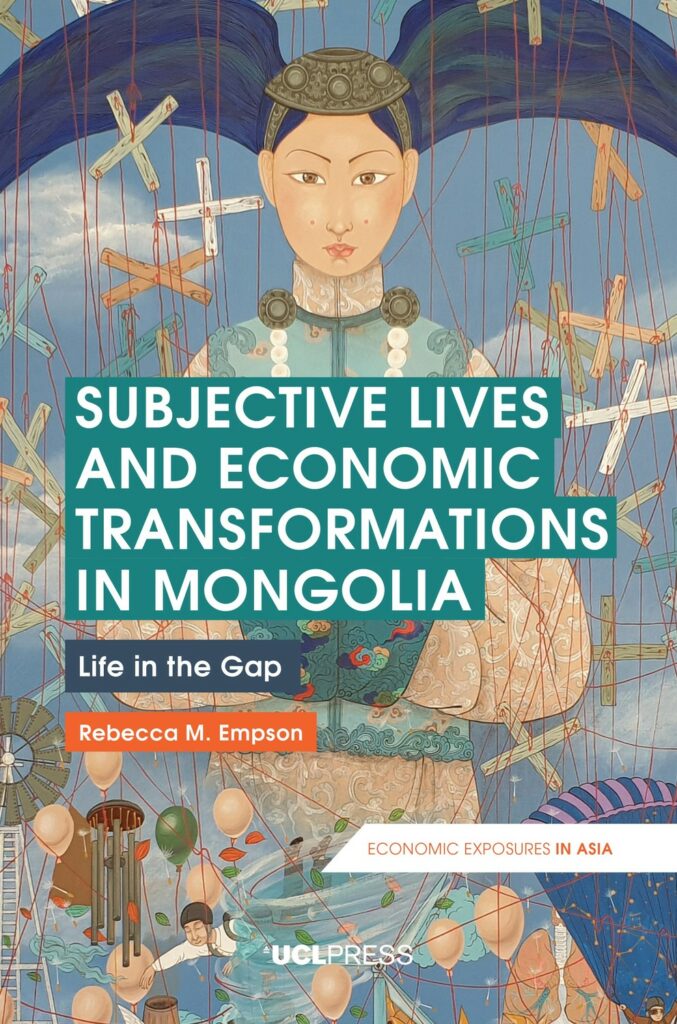
Subjective Lives and Economic Transformations in Mongolia

Almost 10 years ago the mineral-rich country of Mongolia experienced very rapid economic growth, fuelled by China’s need for coal and copper. New subjects, buildings, and businesses flourished, and future dreams were imagined and hoped for. This period of growth is, however, now over. Mongolia is instead facing high levels of public and private debt, conflicts over land and sovereignty, and a changed political climate that threatens its fragile democratic institutions.

Subjective Lives and Economic Transformations in Mongolia details this complex story through the intimate lives of five women. Building on long-term friendships, which span over 20 years, Rebecca documents their personal journeys in an ever-shifting landscape. She reveals how these women use experiences of living a ‘life in the gap’ to survive the hard reality between desired outcomes and their actual daily lives. In doing so, she offers a completely different picture from that presented by economists and statisticians of what it is like to live in this fluctuating extractive economy.

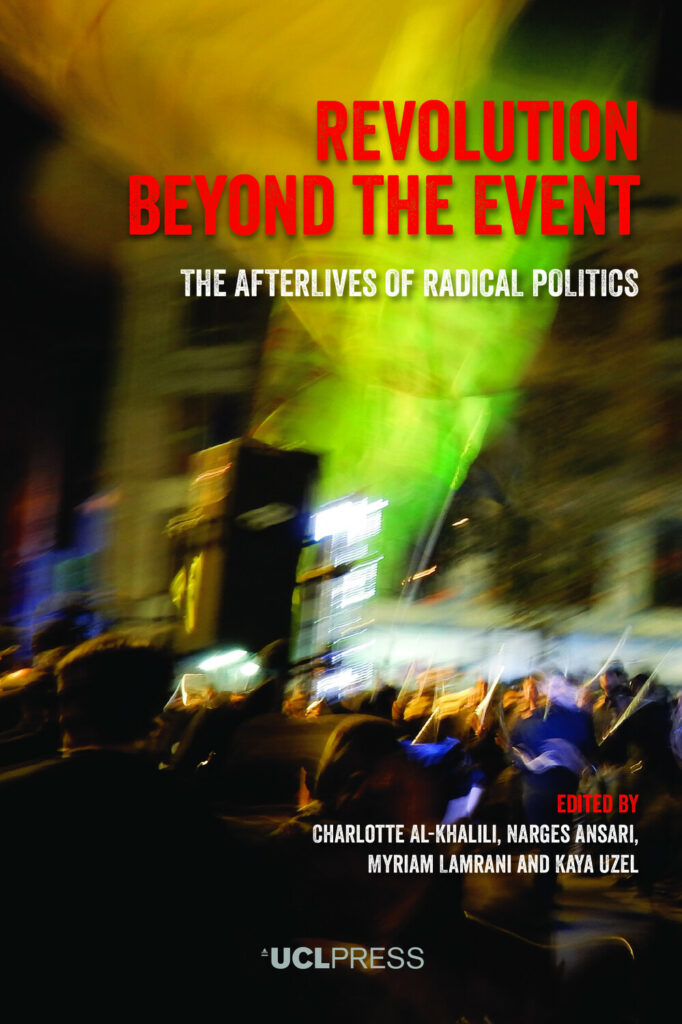
Revolution Beyond the Event

Revolution Beyond the Event brings together leading international anthropologists alongside emerging scholars to examine revolutionary legacies from the MENA region, Latin America and the Caribbean. It explores the idea that revolutions have varied afterlives that complicate the assumptions about their duration, pace and progression, and argues that a renewed focus on the temporality of radical politics is essential to our understanding of revolution. Approaching revolution through its relationship to time, the book is a critical intervention into attempts to define revolutions as bounded events that act as sequential transitions from one political system to another. It pursues an ethnographically driven rethinking of the temporal horizons that are at stake in revolutionary processes, arguing that linear views of revolution are inextricably tied to notions of progress and modernity. Through a careful selection of case studies, the book provides a critical perspective on the lived realities of revolutionary afterlives, challenging the liberal humanist assumptions implicit in the ‘modern’ idea of revolution, and reappraising the political agency of people caught up in revolutionary situations across a variety of ethnographic contexts.

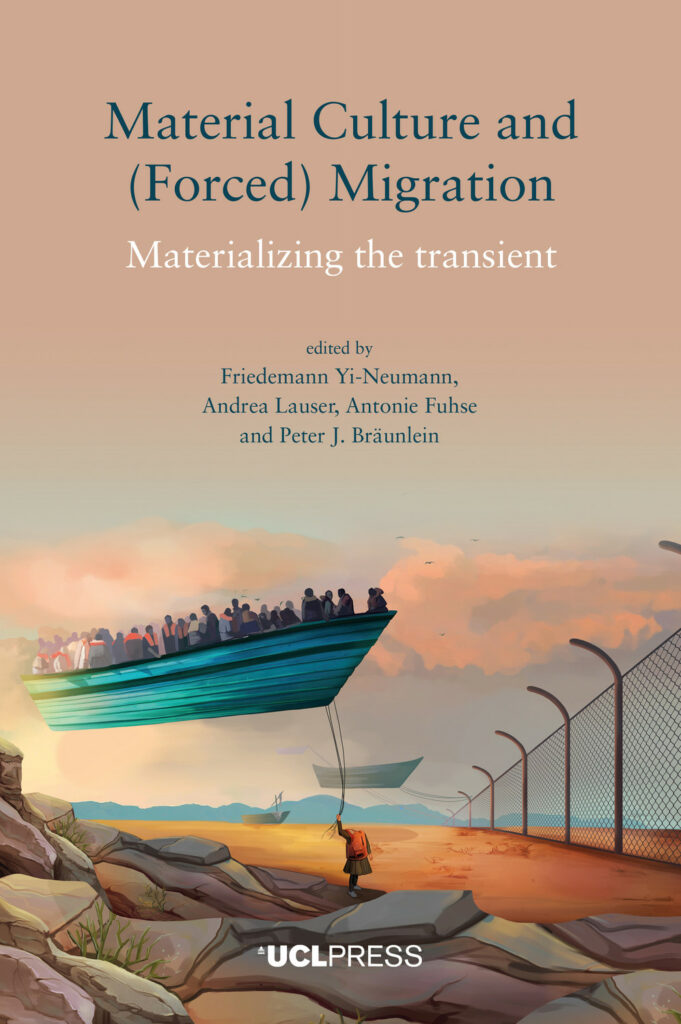
Material Culture and (Forced) Migration

Material Culture and (Forced) Migration argues that materiality is a fundamental dimension of migration. During journeys of migration, people take things with them, or they lose, find and engage things along the way. Movements themselves are framed by objects such as borders, passports, tents, camp infrastructures, boats and mobile phones. This volume brings together chapters that are based on research into a broad range of movements – from the study of forced migration and displacement to the analysis of retirement migration. What ties the chapters together is the perspective of material culture and an understanding of materiality that does not reduce objects to mere symbols.

Centring on four interconnected themes – temporality and materiality, methods of object-based migration research, the affective capacities of objects, and the engagement of things in place-making practices – the volume provides a material culture perspective for migration scholars around the globe, representing disciplines such as anthropology, sociology, contemporary archaeology, curatorial studies, history and human geography. The ethnographic nature of the chapters and the focus on everyday objects and practices will appeal to all those interested in the broader conditions and tangible experiences of migration.

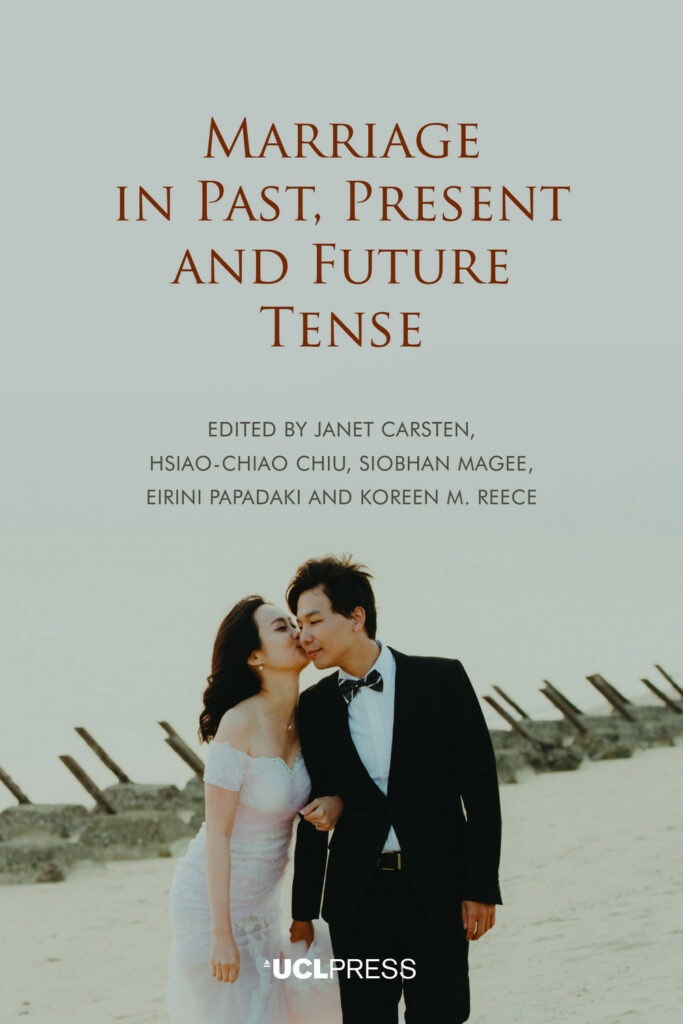
Marriage in Past, Present and Future Tense

Marriage globally is undergoing profound change, provoking widespread public comment and concern. Through the close ethnographic examination of case studies drawn from Africa, Asia, Europe and North America, Marriage in Past, Present and Future Tense places new and changing forms of marriage in comparative perspective as a transforming and also transformative social institution. In conditions of widespread socio-political inequality and instability, how are the personal, the familial and the political co-produced? How do marriages encapsulate the ways in which memories of past lives, present experience and imaginaries of the future are articulated?

Exploring the ways that marriage draws together and distinguishes history and biography, ritual and law, economy and politics in intimate family life, this volume examines how familial and personal relations, and the ethical judgements they enfold, inform and configure social transformation. Contexts that have been partly shaped through civil wars, cold war and colonialism – as well as other forms of violent socio-political rupture – offer especially apt opportunities for tracing the interplay between marriage and politics. But rather than taking intimate family life and gendered practice as simply responsive to wider socio-political forces, this work explores how marriage may also create social change. Contributors consider the ways in which marital practice traverses the domains of politics, economics and religion, while marking a key site where the work of linking and distinguishing those domains is undertaken.

Haste

What does it mean politically to construct climate change as a matter of urgency? We are certainly running out of time to stop climate change. But perhaps this particular understanding of urgency could be at the heart of the problem. When in haste, we make more mistakes, we overlook things, we get tunnel vision. Here we make the case for a ‘slow politics of urgency’. Rather than rushing and speeding up, the sustainable future is arguably better served by us challenging the dominant framings through which we understand time and change in society. Transformation to meet the climate challenge requires multiple temporalities of change, speeding up certain types of change processes but also slowing things down.
While recognizing the need for certain types of urgency in climate politics, Haste directs attention to the different and alternative temporalities at play in climate and sustainability politics. It addresses several key issues on climate urgency: How do we accommodate concerns that are undermined by the politics of urgency, such as participation and justice? How do we act upon the urgency of the climate challenge without reproducing the problems that speeding up of social processes has brought? What do the slow politics of urgency look like in practice? Divided into 23 short and accessible chapters, written by both established and emerging scholars from different disciplines, Haste tackles a major problem in contemporary climate change research and offers creative perspectives on pathways out of the climate emergency.

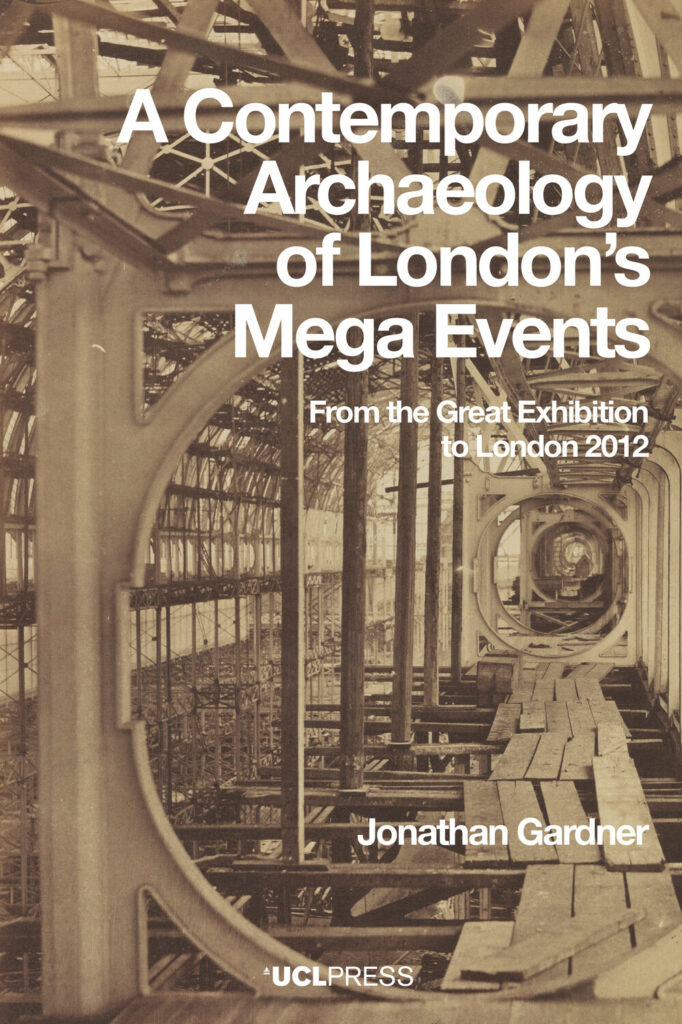
A Contemporary Archaeology of London’s Mega Events

A Contemporary Archaeology of London’s Mega Events explores the traces of London’s most significant modern ‘mega events’. Though only open for a few weeks or months, mega events permanently and disruptively reshape their host cities and societies: they demolish and rebuild whole districts, they draw in materials and participants from around the globe and their organisers self-consciously seek to leave a ‘legacy’ that will endure for decades or more.

With London as his case study, Jonathan Gardner argues that these spectacles must be seen as long-lived and persistent, rather than simply transient or short-term. Using a novel methodology drawn from the field of contemporary archaeology – the archaeology of the recent past and present-day – a broad range of comparative studies are used to explore the long-term history of each event. These include the contents and building materials of the Great Exhibition’s Crystal Palace and their extraordinary ‘afterlife’ at Sydenham, South London; how the Festival of Britain’s South Bank Exhibition employed displays of ancient history to construct a new post-war British identity; and how London 2012, as the latest of London’s mega events, dealt with competing visions of the past as archaeology, waste and heritage in its efforts to create a positive legacy for future generations.

This book offers significant new directions for the study of mega events in its comparison of how three mega events changed London over three centuries. Drawing on a varied selection of theoretical and methodological frameworks and a rich array of sources, it demonstrates the great potential of contemporary archaeology for re-examining recent processes of urban transformation.

Sign up to our newsletter

Don't miss out!
Subscribe to the UCL Press newsletter for the latest open access books,
journal CfPs, news and views from our authors and much more!