We are currently upgrading our shopping cart; in the interim all orders are being diverted to Waterstones. If you would like to redeem a promotional code, or are an author wanting to place an order, please email us.

Contact us

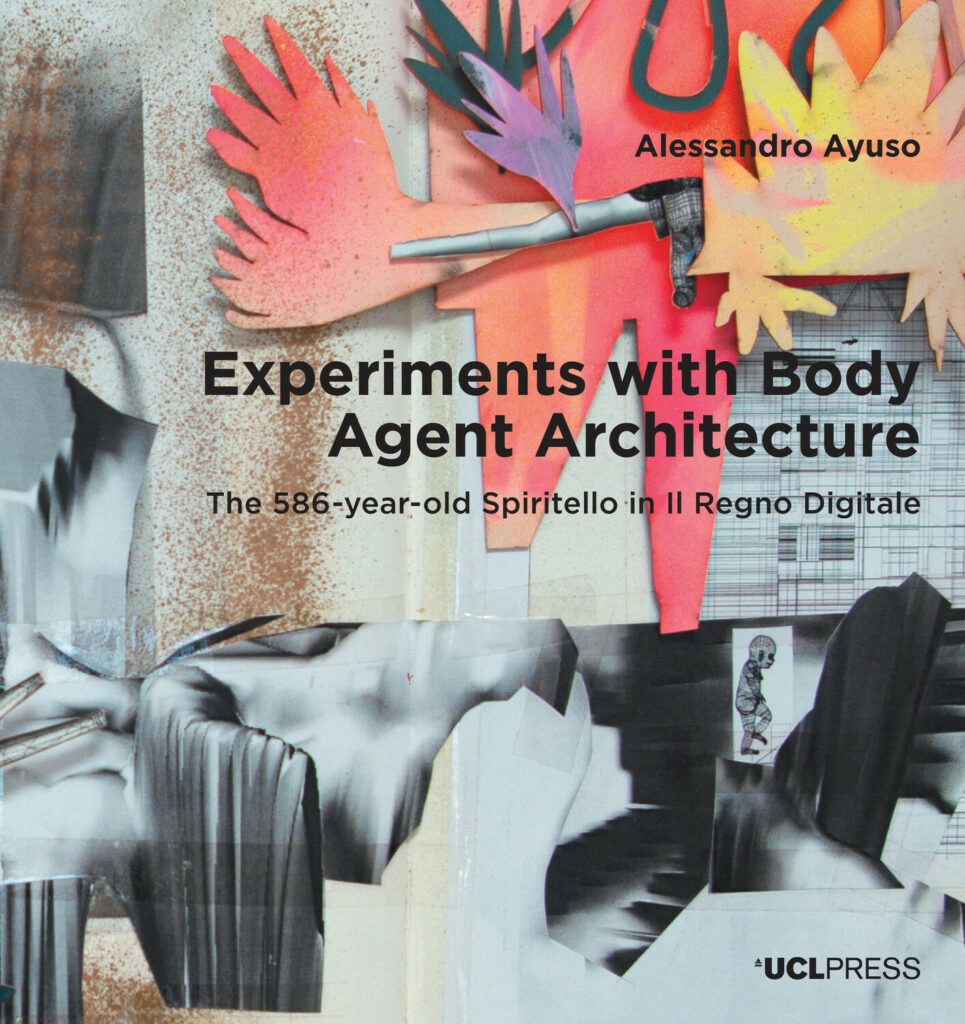
Experiments with Body Agent Architecture

Experiments with Body Agent Architecture puts forward the notion of body agents: non-ideal, animate and highly specific figures integrated with design to enact particular notions of embodied subjectivity in architecture. Body agents present opportunities for architects to increase imaginative and empathic qualities in their designs, particularly amidst a posthuman condition.

Beginning with narrative writing from the viewpoint of a body agent, an estranged ‘quattrocento spiritello’ who finds himself uncomfortably inhabiting a digital milieu (or, as the spiritello calls it, ‘Il Regno Digitale’), the book combines speculative historical fiction and original design experiments. It focuses on the process of creating the multi-media design experiments, moving from the design of the body itself as an original prosthetic to architectural proposals emanating from the body.

A fragmented history of the figure in architecture is charted and woven into the designs, with chapters examining Michelangelo’s enigmatic figures in his drawings for the New Sacristy in the early sixteenth century, Gian Lorenzo Bernini’s physically ephemeral ‘putti’ adorning chapels and churches in the seventeenth century, and Austrian artist-architect Walter Pichler’s personal and prescient figures of the twentieth century.
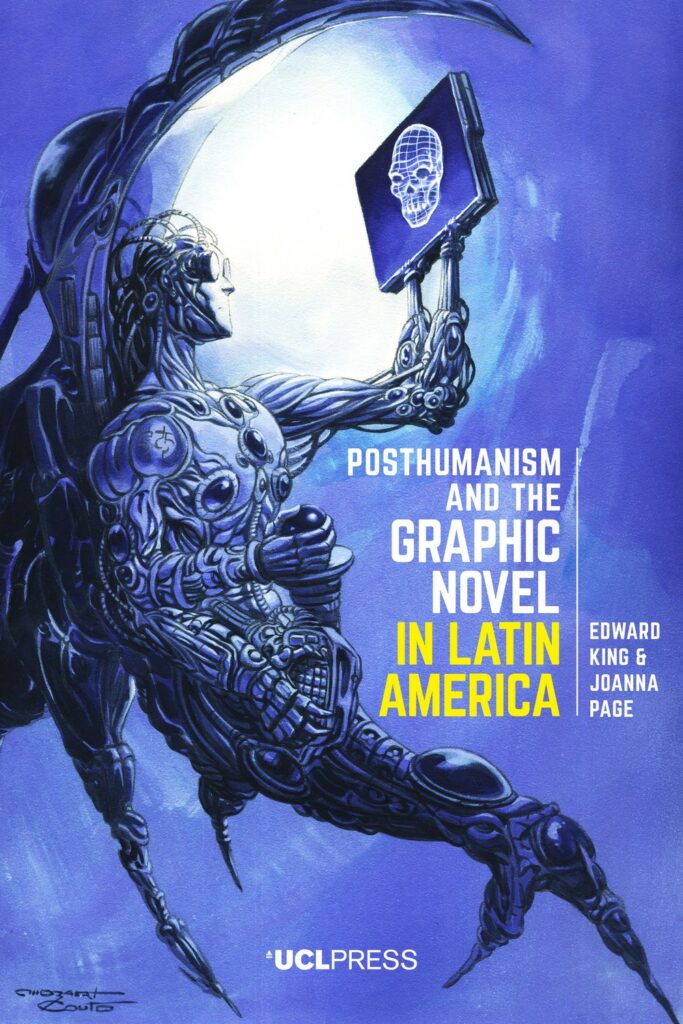
Posthumanism and the Graphic Novel in Latin America

Latin America is experiencing a boom in graphic novels that are highly innovative in their conceptual play and their reworking of the medium. Inventive artwork and sophisticated scripts have combined to satisfy the demand of a growing readership, both at home and abroad. Posthumanism and the Graphic Novel in Latin America, which is the first book-length study of the topic, argues that the graphic novel is emerging in Latin America as a uniquely powerful force to explore the nature of twenty-first century subjectivity. The authors place particular emphasis on the ways in which humans are bound to their non-human environment, and these ideas are productively drawn out in relation to posthuman thought and experience. The book draws together a range of recent graphic novels from Argentina, Brazil, Chile, Mexico and Uruguay, many of which experiment with questions of transmediality, the representation of urban space, modes of perception and cognition, and a new form of ethics for a

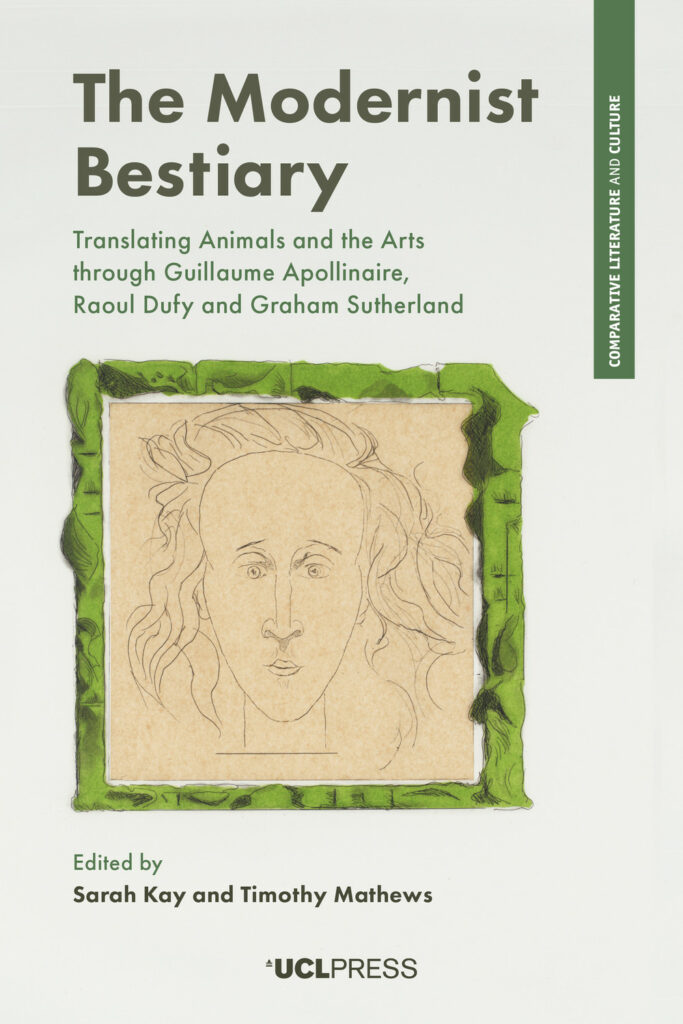
The Modernist Bestiary

The Modernist Bestiary centres on *{::}Le Bestiaire ou Cortège d’Orphée (1911), a multimedia collaborative work by French-Polish poet Guillaume Apollinaire and French artist Raoul Dufy, and its homonym, *The Bestiary or Procession of Orpheus (1979), by British artist Graham Sutherland. Rather than reconstructing the lineage of these two compositions, the book uncovers the aesthetic and intellectual processes involved that operate in different times, places and media. The Apollinaire and Dufy Bestiary is an open-ended collaboration, a feature that Sutherland develops in his re-visiting, and this book shows how these neglected works are caught up in many-faceted networks of traditions and genres. These include Orphic poetry from the past, contemporary musical settings, and bestiary writing from its origins to the present. The nature of productive dialogue between thought and art, and the refracted light they throw on each other are explored in each of the pieces in the book, and the aesthetic experience emerges as generative rather than reductive or complacent.

The contributors’ encounters with these works take the form of poetry and essays, all moving freely between different disciplines and practices, humanistic and posthumanist critical dimensions, as well as different animals and art forms. They draw on disciplines ranging from music, art history, translation, Classical poetry and French poetry, and are nurtured by approaches including phenomenology, cultural studies, sound studies, and critical animal studies. Collectively the book shows that the aesthetic encounter, by nature affective, is by nature also interdisciplinary and motivating, and that it spurs the critical in addressing the complex issues of ‘humananimality’.

Sign up to our newsletter

Don't miss out!
Subscribe to the UCL Press newsletter for the latest open access books,
journal CfPs, news and views from our authors and much more!