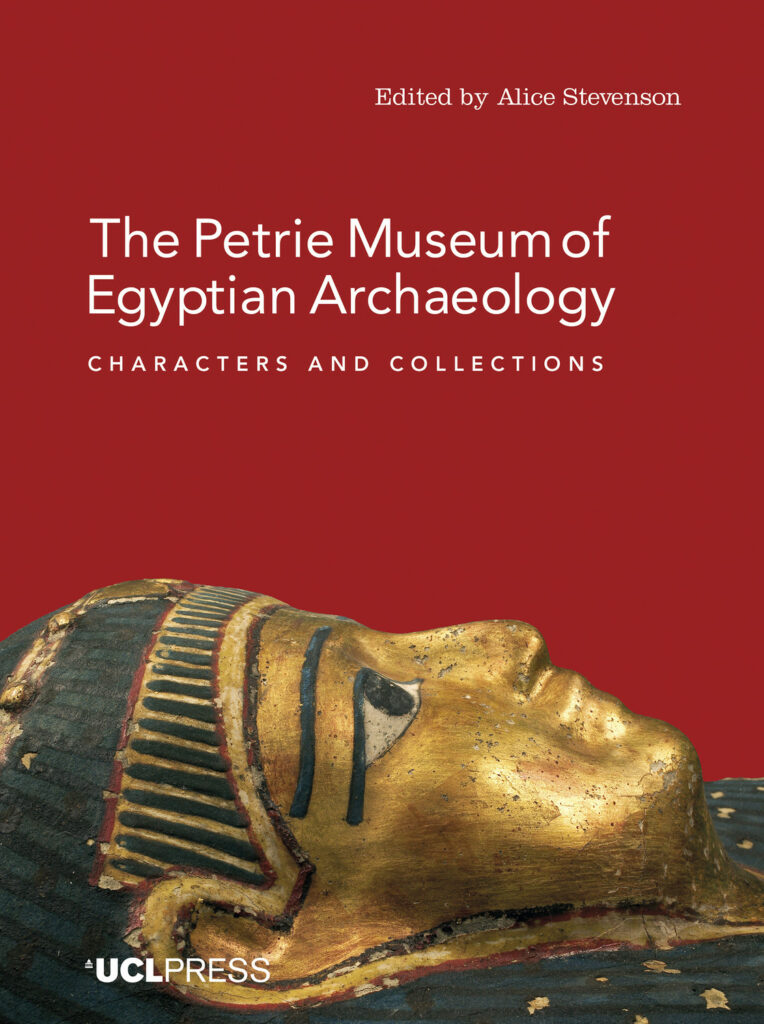
The Petrie Museum of Egyptian Archaeology

The Petrie Museum of Egyptian Archaeology first opened its doors in 1915, and since then has attracted visitors from all over the world as well as providing valuable teaching resources. Named after its founder, the pioneering archaeologist Flinders Petrie, the Museum holds more than 80,000 objects and is one of the largest and finest collections of Egyptian and Sudanese archaeology in the world. Richly illustrated and engagingly written, the book moves back and forth between recent history and the ancient past, between objects and people. Experts discuss the discovery, history and care of key objects in the collections such as the Koptos lions and Roman era panel portraits. The rich and varied history of the Petrie Museum is revealed by the secrets that sit on its shelves.
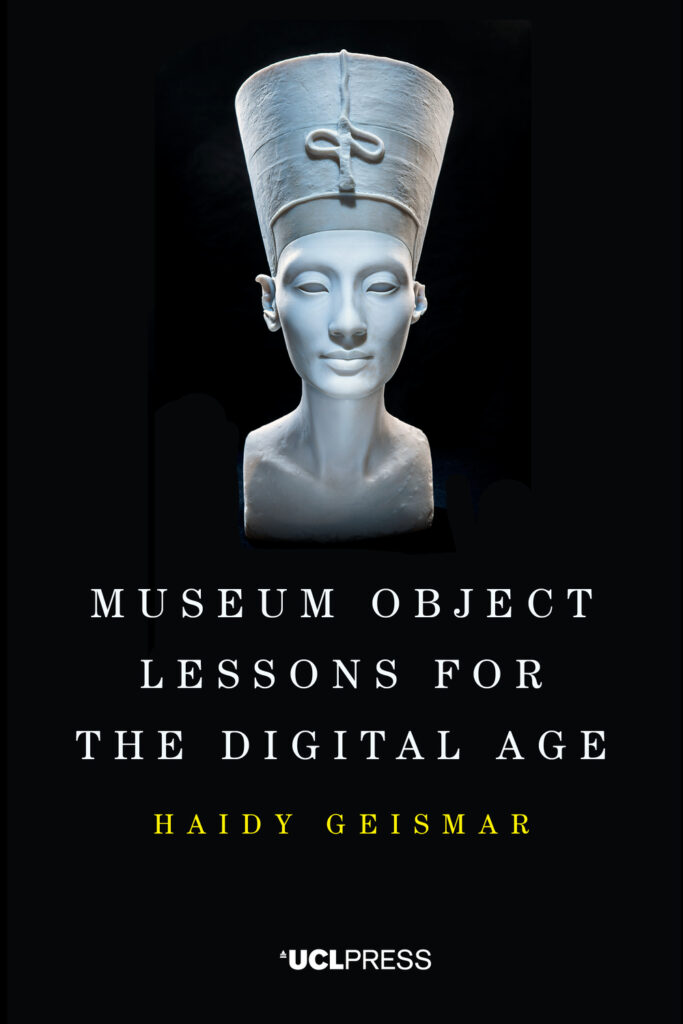
Museum Object Lessons for the Digital Age

Museum Object Lessons for the Digital Age explores the nature of digital objects in museums, asking us to question our assumptions about the material, social and political foundations of digital practices. Through four wide-ranging chapters, each focused on a single object – a box, pen, effigy and cloak – this short, accessible book explores the legacies of earlier museum practices of collection, older forms of media (from dioramas to photography), and theories of how knowledge is produced in museums on a wide range of digital projects. Swooping from Ethnographic to Decorative Arts Collections, from the Google Art Project to bespoke digital experiments, Haidy Geismar explores the object lessons contained in digital form and asks what they can tell us about both the past and the future.

Drawing on the author’s extensive experience working with collections across the world, Geismar argues for an understanding of digital media as material, rather than immaterial, and advocates for a more nuanced, ethnographic and historicised view of museum digitisation projects than those usually adopted in the celebratory accounts of new media in museums. By locating the digital as part of a longer history of material engagements, transformations and processes of translation, this book broadens our understanding of the reality effects that digital technologies create, and of how digital media can be mobilised in different parts of the world to very different effects.

Sign up to our newsletter

Don't miss out!
Subscribe to the UCL Press newsletter for the latest open access books,
journal CfPs, news and views from our authors and much more!