We are currently upgrading our shopping cart; in the interim all orders are being diverted to Waterstones. If you would like to redeem a promotional code, or are an author wanting to place an order, please email us.

Contact us

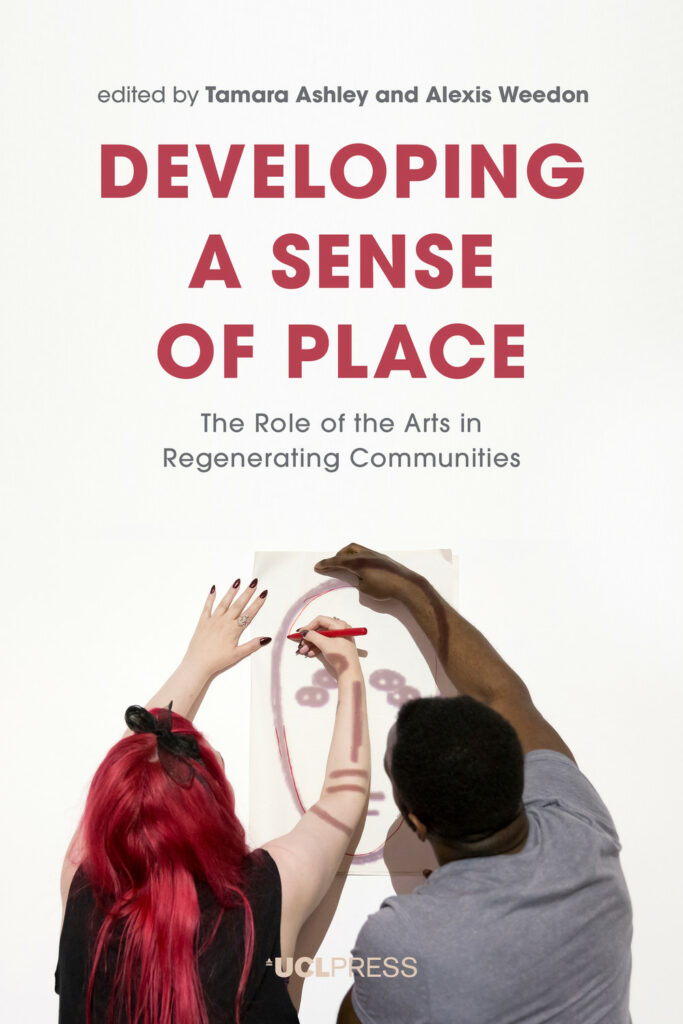
Developing a Sense of Place

How do cultural planners and policymakers work through the arts to create communities? What do artists need to build a sense of place in their community? To discuss these issues, Developing a Sense of Place brings together new models and case studies, each drawn from a specific geographical or socio-cultural context.

Selected for their lasting effect in their local community, the case studies explore new models for opening up the relationship between the university and its regional partners, explicitly connecting creative, critical and theoretical approaches to civic development. The volume has three sections: Case Studies of Place-Making; Models and Methods for Developing Place-Making Through the Arts; and Multidisciplinary Approaches to Place and Contested Identities. The sections cover regions in the UK such as Bedford, East Anglia, Edinburgh, Manchester, London, Plymouth and Wakefield, and internationally in countries such as Brazil, Turkey and Zimbabwe.

Developing a Sense of Place offers a range of viewpoints from, for example, the arts strategist, the academic, the practice-researcher and the artist. Through its innovative models, from performing arts to architectural design, the volume will serve the needs and interests of arts and cultural policy managers, master planners and arts workers, as well as students of Human Geography, Cultural Planning, Business and the Creative Industries, and Arts Administration, at undergraduate and postgraduate level.
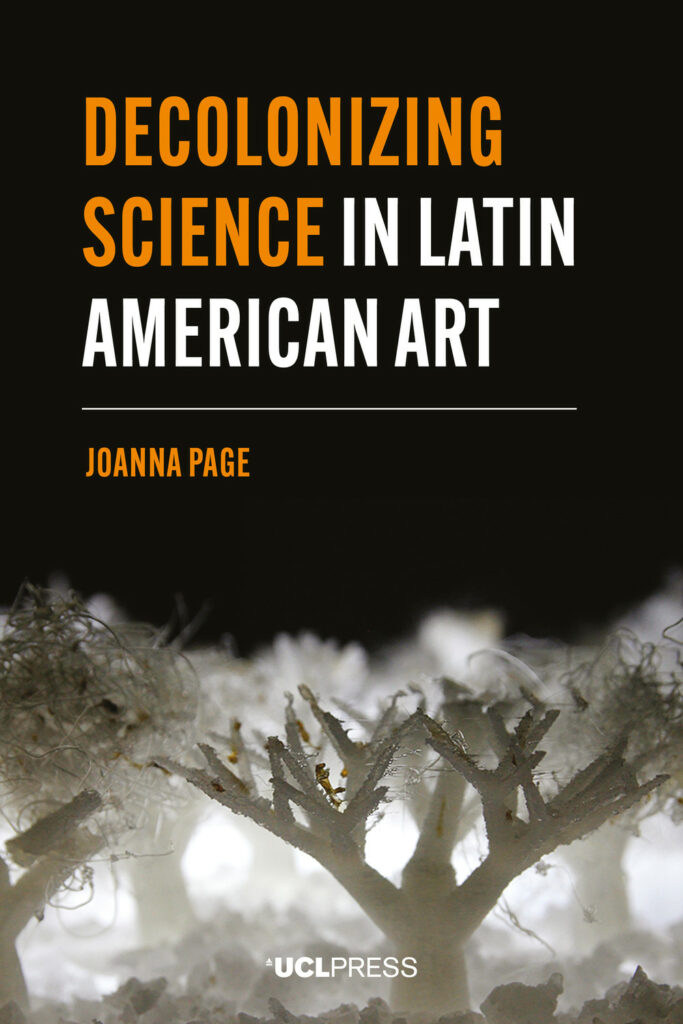
Decolonizing Science in Latin American Art

Projects that bring the ‘hard’ sciences into art are increasingly being exhibited in galleries and museums across the world. In a surge of publications on the subject, few focus on regions beyond Europe and the Anglophone world. Decolonizing Science in Latin American Art assembles a new corpus of art-science projects by Latin American artists, ranging from big-budget collaborations with NASA and MIT to homegrown experiments in artists’ kitchens.

While they draw on recent scientific research, these art projects also ‘decolonize’ science. If increasing knowledge of the natural world has often gone hand-in-hand with our objectification and exploitation of it, the artists studied here emphasize the subjectivity and intelligence of other species, staging new forms of collaboration and co-creativity beyond the human. They design technologies that work with organic processes to promote the health of ecosystems, and seek alternatives to the logics of extractivism and monoculture farming that have caused extensive ecological damage in Latin America. They develop do-it-yourself, open-source, commons-based practices for sharing creative and intellectual property. They establish critical dialogues between Western science and indigenous thought, reconnecting a disembedded, abstracted form of knowledge with the cultural, social, spiritual, and ethical spheres of experience from which it has often been excluded.

Decolonizing Science in Latin American Art interrogates how artistic practices may communicate, extend, supplement, and challenge scientific ideas. At the same time, it explores broader questions in the field of art, including the relationship between knowledge, care, and curation; nonhuman agency; art and utility; and changing approaches to participation. It also highlights important contributions by Latin American thinkers to themes of global significance, including the Anthropocene, climate change and environmental justice.

Sign up to our newsletter

Don't miss out!
Subscribe to the UCL Press newsletter for the latest open access books,
journal CfPs, news and views from our authors and much more!