We are currently upgrading our shopping cart; in the interim all orders are being diverted to Waterstones. If you would like to redeem a promotional code, or are an author wanting to place an order, please email us.

Contact us

The Laissez-Faire Peasant

In rural development studies there are two mainstream assumptions. One holds that peasants are the victims of state rural development schemes, the other that only planning can ensure change and prosperity in rural regions. It is rarely considered that peasants are architects of their own and local wellbeing – notions which are often in opposition to state plans for agriculture.

The Laissez-Faire Peasant explores how rural development emerges on the ground. The concept involves the manifestation of peasant worldviews in which autonomy in decision-making, freedom of action, spontaneity, and flexibility in everyday cooperation play a dominant role. A role in which individual and local values generate a self-regulating system that manages a range of economic, social, and political relationships. The book examines manifestations of peasant autonomy, both in response to and independent of state rural development policies through a multi-sited ethnography of three Serbian villages. It is shown how these factors impede state programs for rural development while enabling the spontaneous flourishing of local communities. By focusing on the agency of rural residents, the book finds that peasants are resilient and competent agents who do not need government plans to thrive.
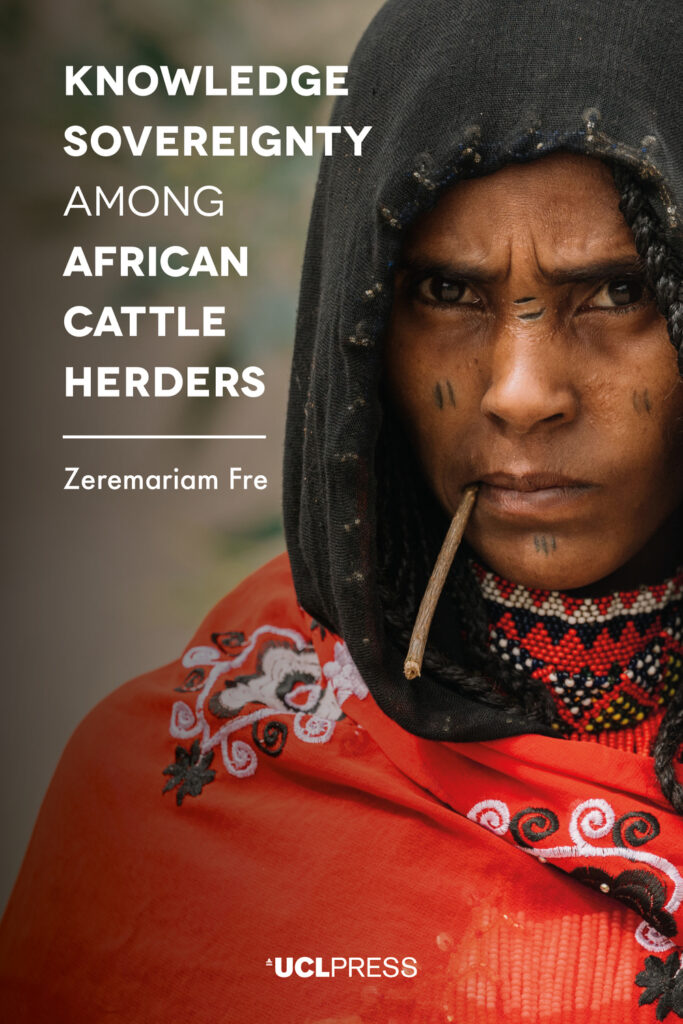
Knowledge Sovereignty among African Cattle Herders

Beni-Amer cattle owners in the western part of the Horn of Africa are not only masters in cattle breeding, they are also knowledge sovereign, in terms of owning productive genes of cattle and the cognitive knowledge base crucial to sustainable development. The strong bonds between the Beni-Amer, their animals, and their environment constitute the basis of their ways of knowing, and much of their knowledge system is built on experience and embedded in their cultural practices.

In this book, the first to study Beni-Amer practices, Zeremariam Fre argues for the importance of their knowledge, challenging the preconceptions that regard it as untrustworthy when compared to scientific knowledge from more developed regions. Empirical evidence suggests that there is much one could learn from the other, since elements of pastoralist technology, such as those related to animal production and husbandry, make a direct contribution to our knowledge of livestock production. It is this potential for hybridization, as well as the resilience of the herders, at the core of the indigenous knowledge system.

Fre also argues that indigenous knowledge can be viewed as a stand-alone science, and that a community’s rights over ownership should be defended by government officials, development planners and policy makers, making the case for a celebration of the knowledge sovereignty of pastoralist communities.

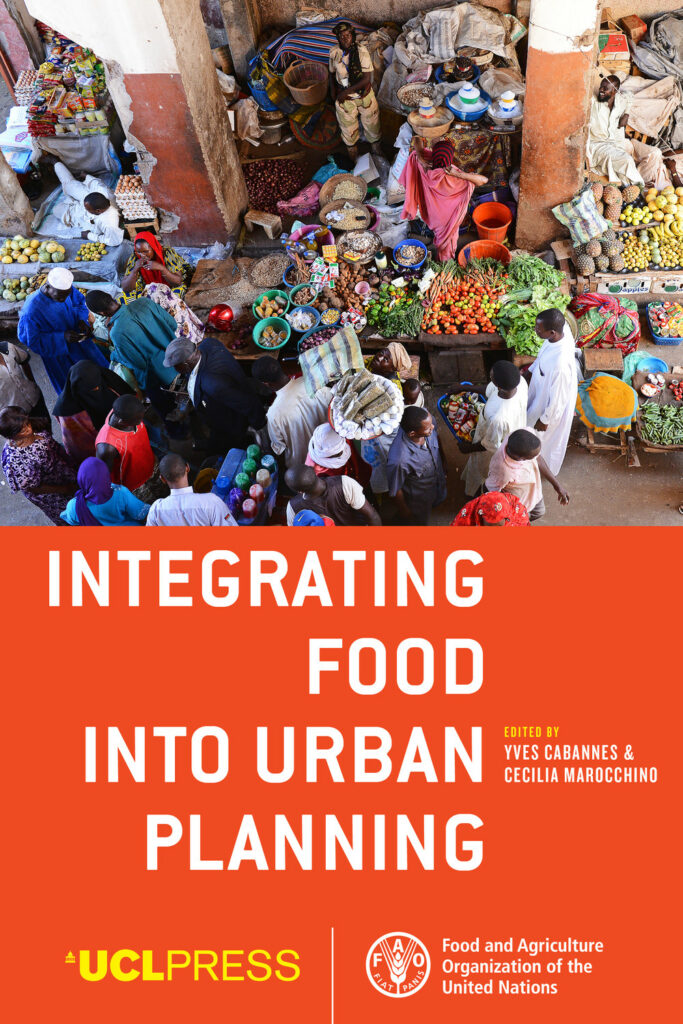
Integrating Food into Urban Planning

The integration of food into urban planning is a crucial and emerging topic. Urban planners, alongside the local and regional authorities that have traditionally been less engaged in food-related issues, are now asked to take a central and active part in understanding how food is produced, processed, packaged, transported, marketed, consumed, disposed of and recycled in our cities.

While there is a growing body of literature on the topic, the issue of planning cities in such a way they will increase food security and nutrition, not only for the affluent sections of society but primarily for the poor, is much less discussed, and much less informed by practices. This volume, a collaboration between the Bartlett Development Planning Unit at UCL and the Food Agricultural Organisation, aims to fill this gap by putting more than 20 city-based experiences in perspective, including studies from Toronto, New York City, Portland and Providence in North America; Milan in Europe and Cape Town in Africa; Belo Horizonte and Lima in South America; and, in Asia, Bangkok and Tokyo.

By studying and comparing cities of different sizes, from both the Global North and South, in developed and developing regions, the contributors collectively assert for the importance and circulation of global knowledge rooted in local food planning practices, programmes and policies.

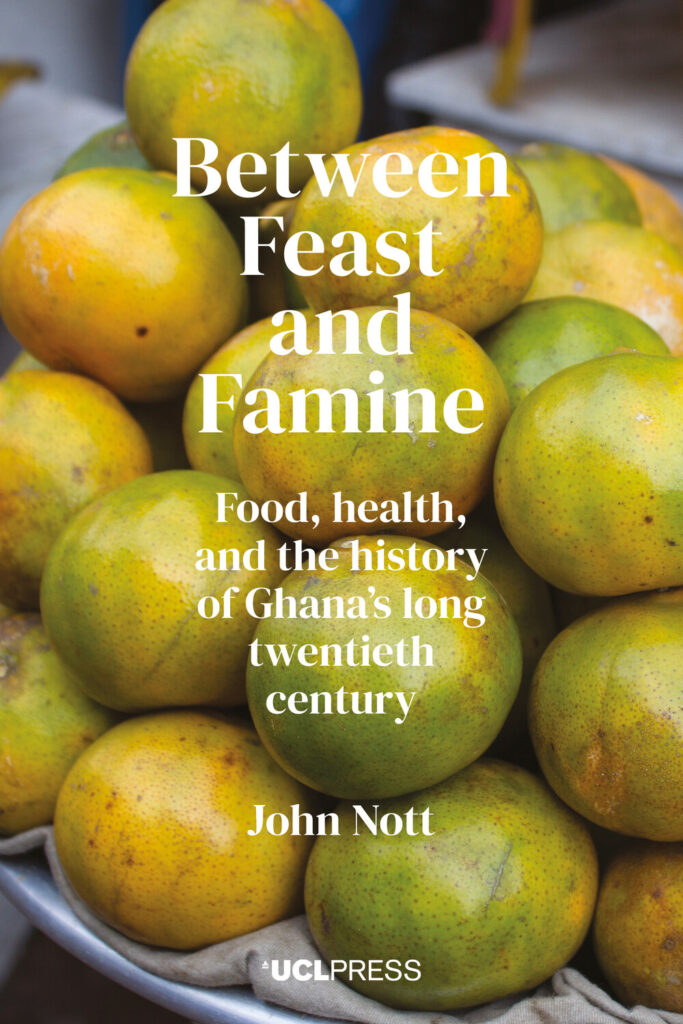
Between Feast and Famine

Ghana’s twentieth century was one of dramatic political, economic, and environmental change. Sparked initially by the impositions of colonial rule, these transformations had significant, if rarely uniform, repercussions for the determinants of good and bad nutrition. All across this new and uneven polity, food production, domestic reproduction, gender relations, and food cultures underwent radical and rapid change. This volatile national history was matched only by the scientific instability of nutritional medicine during these same years.

Moving between the dry Northern savannah, the mineral-rich and food-secure Southern rainforest, and the youthful, ever-expanding cities, Between Feast and Famine is a comparative history of nutrition in Ghana since the end of the nineteenth century. At the heart of this story is an analysis of how an uneven capitalist transformation variously affected the lives of women and children. It traces the change from sporadic periods of hunger in the nineteenth and early twentieth centuries, through epidemics of childhood malnutrition during the twentieth century, and into emergent epidemics of diet-related non-communicable disease in the twenty-first century. Employing a novel, critical approach to historical epidemiology, John Nott argues that detailing the co-production of science and its subjects in the past is essential for understanding and improving health in the present.

Sign up to our newsletter

Don't miss out!
Subscribe to the UCL Press newsletter for the latest open access books,
journal CfPs, news and views from our authors and much more!