Publication date: 1 December 2026
DOI: https://doi.org/10.14324/111.9781806552252
Number of illustrations: 40

Comics and Race in Latin America
James Scorer (Editor), María Elena Bedoya (Editor), Abeyamí Ortega Domínguez (Editor), Peter Wade (Editor)
Series: Modern Americas
Comics and Race in Latin America draws together artists and academics to create a dynamic and diverse study of the contested field created by the relationship between comics and racialised identities. Each chapter includes original artwork by artists from Argentina, Colombia and Peru, interviews and reflections written by them, alongside essays written by leading researchers in Latin American comics and Latin American race studies. Among the comics included here are several responses to images collated during a three-year AHRC-funded project that underpins the book.
Though the book recognises that comics have long had a troubled relationship with racialised identities, it also demonstrates that comics can also be a powerful tool for antiracist discourses and practices. It delves into the complex nature of racialised inequalities and comics production. It contributes to growing calls for multiracial perspectives, in this case featuring Black, Indigenous, mestizo and Asian-descent artists who use comics to express a shared opposition to racism. The book’s multidisciplinary approach creates a set of networked pathways that cut across disciplines, nations and lines of thought, and, in a gesture towards the hybrid nature of both comics and Latin American philosophies, across visual and written forms.
Related titles
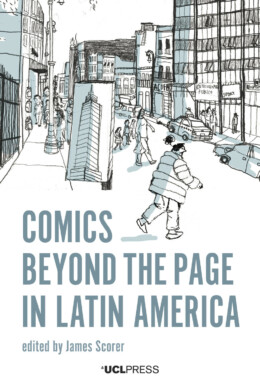
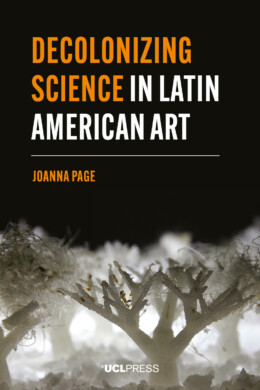
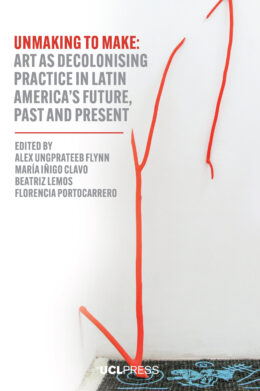
Alex Ungprateeb Flynn, María Iñigo Clavo, Beatriz Lemos, Florencia Portocarrero,
20 May 2026
Comics and Race in Latin America
Series: Modern Americas
Publication date: December 1, 2026
Open Access PDF ISBN: 9781806552252
Paperback ISBN: 9781806552245
Hardback ISBN: 9781806552238
Trim size (hardback): 23.4cm x 15.6cm
Trim size (paperback): 23.4cm x 15.6cm
Comics and Race in Latin America draws together artists and academics to create a dynamic and diverse study of the contested field created by the relationship between comics and racialised identities. Each chapter includes original artwork by artists from Argentina, Colombia and Peru, interviews and reflections written by them, alongside essays written by leading researchers in Latin American comics and Latin American race studies. Among the comics included here are several responses to images collated during a three-year AHRC-funded project that underpins the book.
Though the book recognises that comics have long had a troubled relationship with racialised identities, it also demonstrates that comics can also be a powerful tool for antiracist discourses and practices. It delves into the complex nature of racialised inequalities and comics production. It contributes to growing calls for multiracial perspectives, in this case featuring Black, Indigenous, mestizo and Asian-descent artists who use comics to express a shared opposition to racism. The book’s multidisciplinary approach creates a set of networked pathways that cut across disciplines, nations and lines of thought, and, in a gesture towards the hybrid nature of both comics and Latin American philosophies, across visual and written forms.