
Publication date: 1 November 2026
DOI: https://doi.org/10.14324/111.9781806552139
Number of illustrations: 80

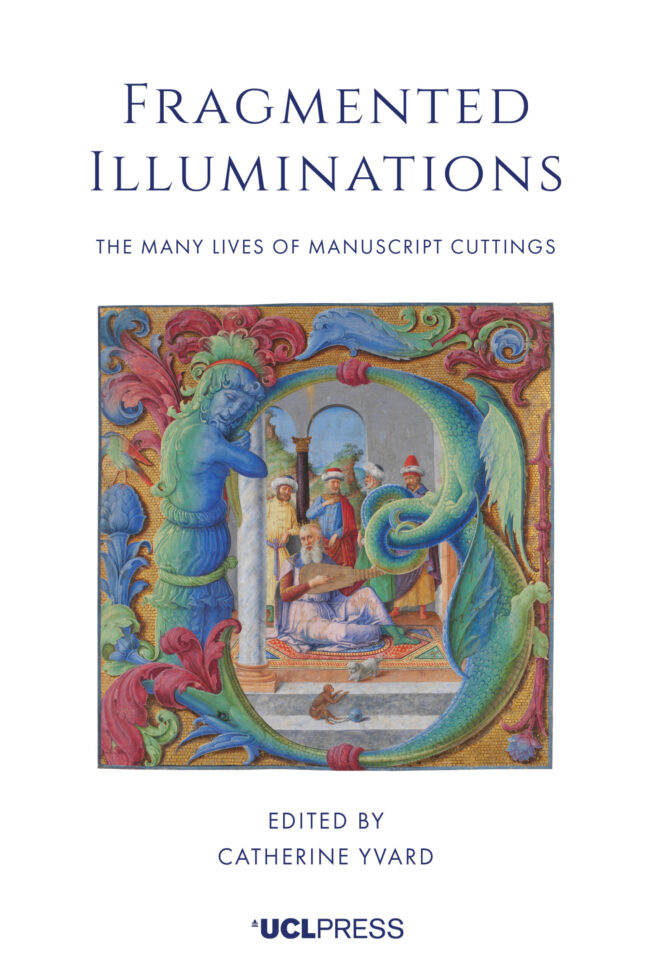
Fragmented Illuminations
The many lives of manuscript cuttings
Catherine Yvard (Editor)
Series: V&A co-publications
Sweeping secularisation of Catholic Church property across Europe in the late 18th and early 19th centuries brought countless medieval and Renaissance manuscripts into private hands. While the text of these books was often obsolete, their jewel-like illuminations appealed to collectors and the market for single leaves, miniatures, initials or ornamented borders cut out of illuminated manuscripts took off in the mid-1820s. Today, thousands of manuscript cuttings can be found in collections around the world: a global jigsaw.
With over 2,000 examples, the V&A has one of the largest collections of this kind, originally assembled to form a visual sourcebook for contemporary artists and craftspeople. Using this collection as a guiding thread, Fragmented Illuminations seeks to contextualise cuttings and chart their changing meanings and functions from the time of their making to their unexpected afterlives in the hands of private collectors and Europe’s museums of applied arts. To complete the picture, new interdisciplinary research revives the books they came from, alongside the artists and patrons involved in their making. In sum, the book demonstrates how these complex objects can only be understood by mobilising knowledge from many disciplines, including art history, codicology, liturgiology, musicology, and provenance research.
Related titles
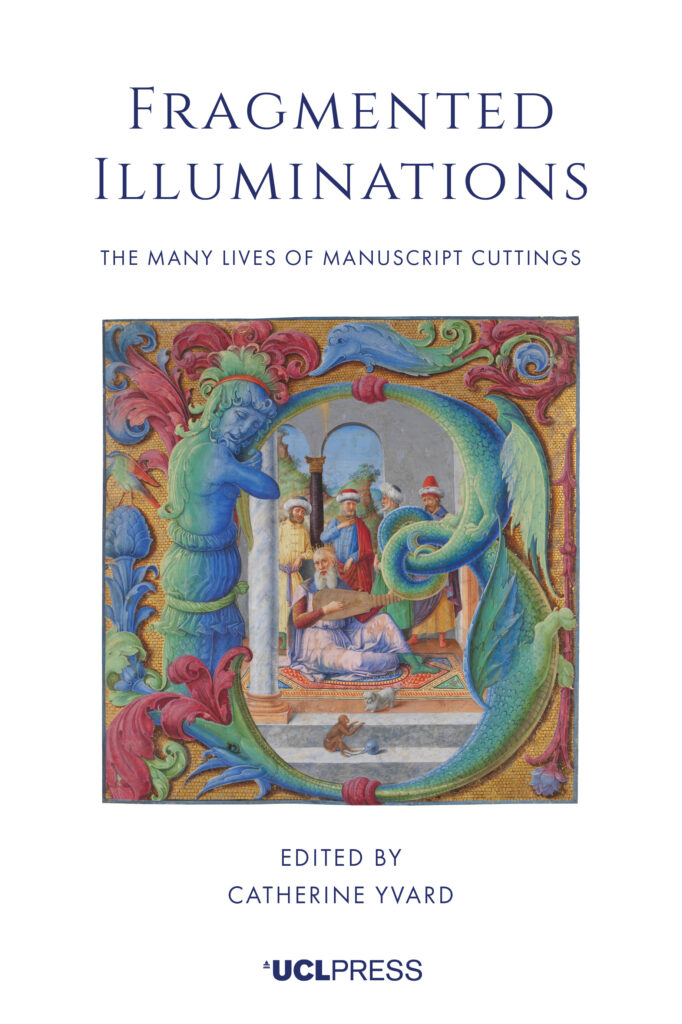
Fragmented Illuminations
The many lives of manuscript cuttings
Series: V&A co-publications
Publication date: November 1, 2026
Open Access PDF ISBN: 9781806552139
Paperback ISBN: 9781806552122
Hardback ISBN: 9781806552115
Trim size (hardback): 23.4cm x 15.6cm
Trim size (paperback): 23.4cm x 15.6cm
Sweeping secularisation of Catholic Church property across Europe in the late 18th and early 19th centuries brought countless medieval and Renaissance manuscripts into private hands. While the text of these books was often obsolete, their jewel-like illuminations appealed to collectors and the market for single leaves, miniatures, initials or ornamented borders cut out of illuminated manuscripts took off in the mid-1820s. Today, thousands of manuscript cuttings can be found in collections around the world: a global jigsaw.
With over 2,000 examples, the V&A has one of the largest collections of this kind, originally assembled to form a visual sourcebook for contemporary artists and craftspeople. Using this collection as a guiding thread, Fragmented Illuminations seeks to contextualise cuttings and chart their changing meanings and functions from the time of their making to their unexpected afterlives in the hands of private collectors and Europe’s museums of applied arts. To complete the picture, new interdisciplinary research revives the books they came from, alongside the artists and patrons involved in their making. In sum, the book demonstrates how these complex objects can only be understood by mobilising knowledge from many disciplines, including art history, codicology, liturgiology, musicology, and provenance research.